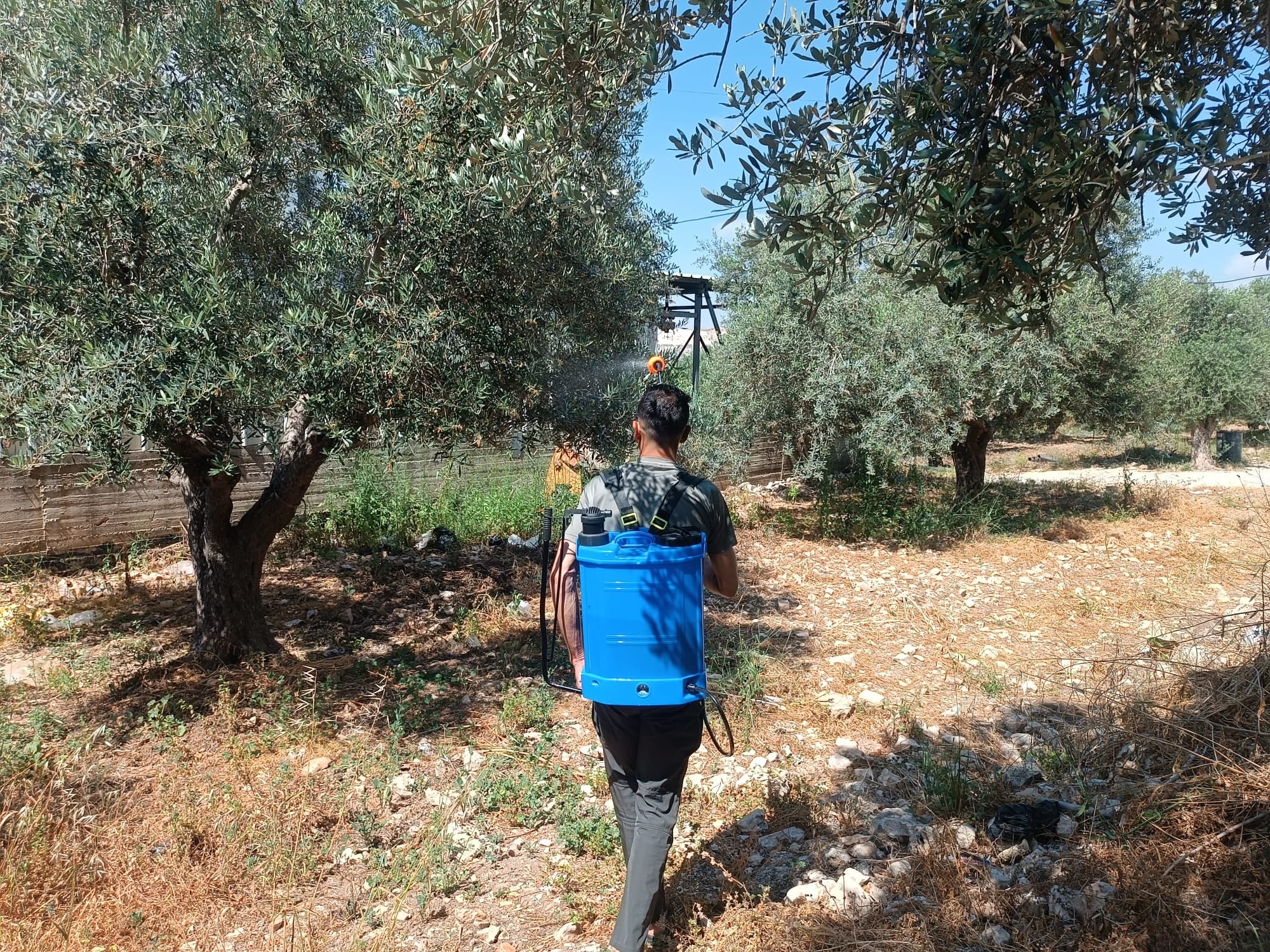
Ali Ghanim, who shares ownership of an olive grove in the West Bank village of Sarra with his brothers, has watched production plummet over three years. A productive season once yielded around 33,000 tons of olive oil in the occupied territories, with up to 15,000 tons exported; last year fewer than 10,000 tons were produced, with only 7,000 tons exported. Ghanim cited an increase in settler vandalism on his family's farm as a major factor in the decline.
In June, settlers vandalized at least 100 olive trees and saplings in the West Bank and destroyed more than 170 dunums (16.9 hectares) of cultivated wheat and seasonal crops, according to the UN's Office for Humanitarian Affairs. Settler attacks accounted for 55 percent of all Palestinian injuries in the West Bank this year and are the leading cause of Palestinian injuries in the region, the UN report said. Fuad Abu Saif, a Palestinian agricultural expert specializing in rural development, said settlers have also illegally harvested olives from farms, further reducing yields.
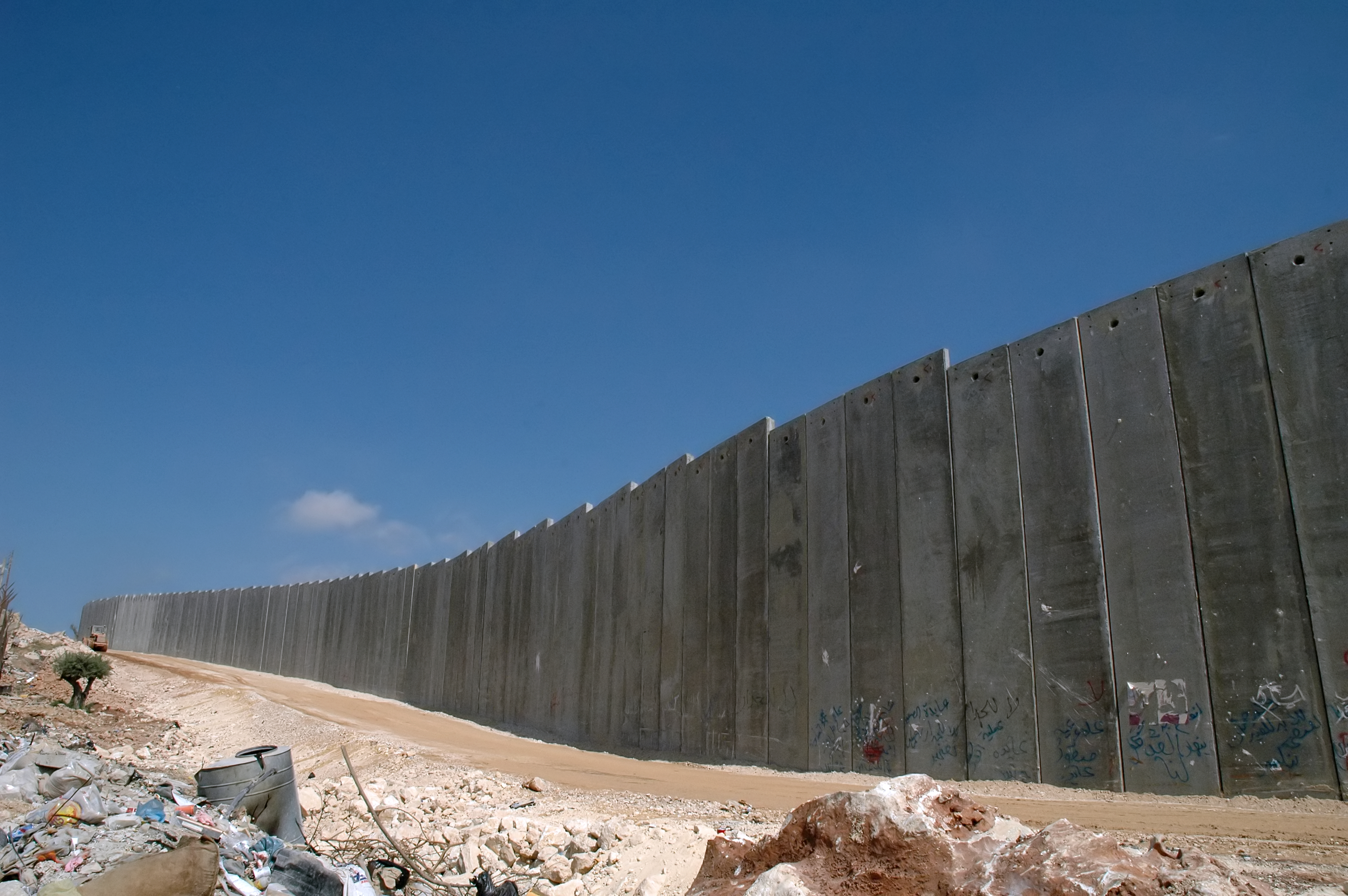
Israeli military checkpoints and movement restrictions have severely impacted farmers' access to groves, particularly in the northern West Bank where nearly 70 percent of olive groves are located. Thousands of farmers each year are denied access to groves between the barrier wall and the Green Line; a majority of the nearly 62 agricultural gates along the barrier remain closed year-round, according to the UN. In 2025, 74 percent of those gates were open during harvest season, but only for a limited number of days.
The access restrictions also prevent international regulators from inspecting farms to certify organic production, complicating export certifications needed for international markets. Wajeda Khalidi, founder of UAE-based olive oil exporter Levant Foods, said that many Palestinian farmers already produce organic products but cannot obtain the certification to prove it. The Guardian reported last year that UK-based social enterprise Zaytoun could no longer display the Fairtrade mark on olive oil it sourced from Palestinian farmers after access restrictions caused incomplete regulatory checks.
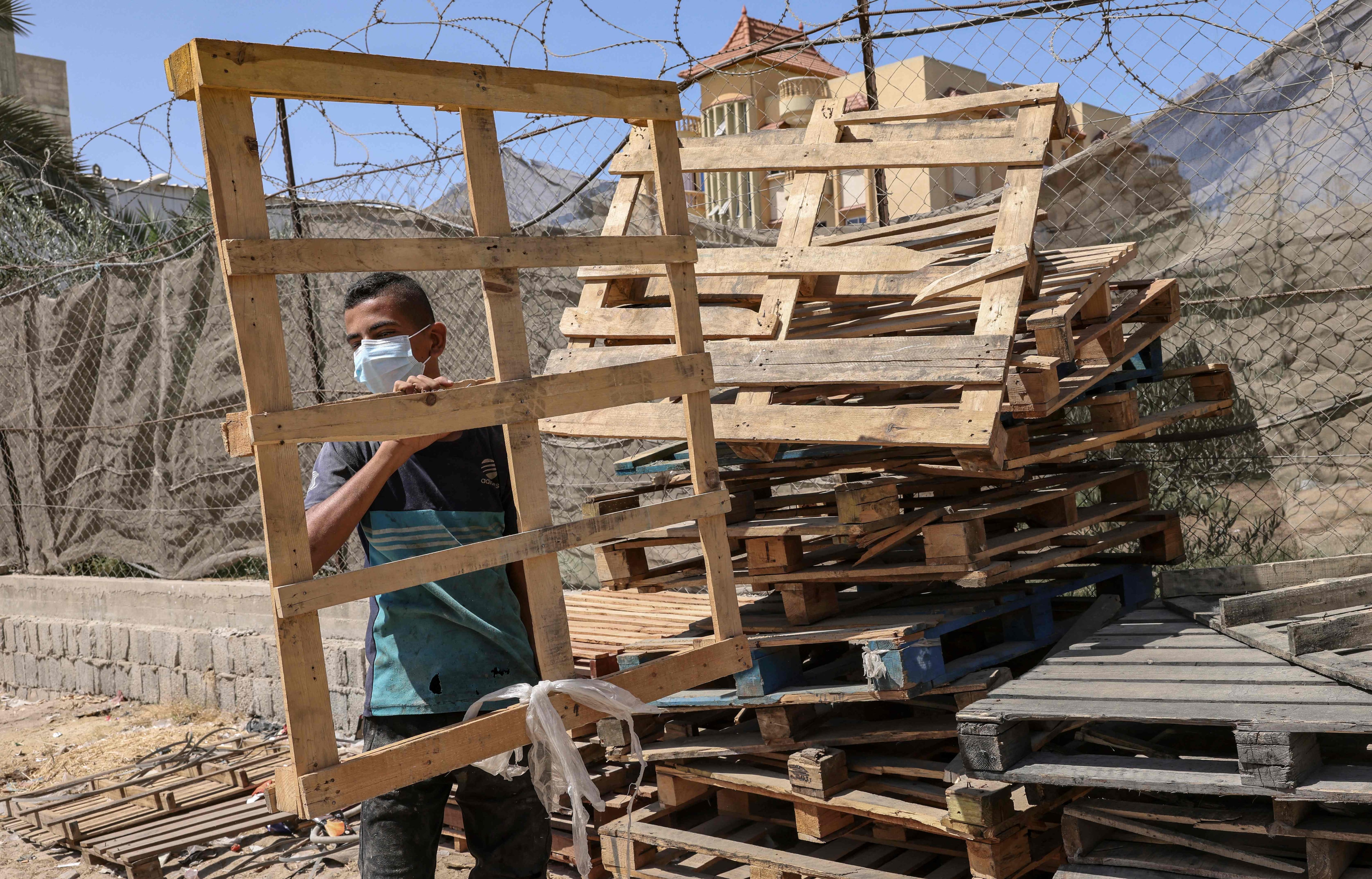
Palestinian exporters also face new obstacles from Israeli customs regulations that limit cargo pallet dimensions to fit security scanning equipment at checkpoints and ports. Fuad Abu Saif, who works with 300 to 400 farmers providing training on international export standards, said the height and weight restrictions force exporters to use more pallets for the same quantity of goods, slowing the export process and increasing costs. Khalidi said shipments of Palestinian olive oil that reached the UAE within 10 days before October 2023 now face wait times of up to two months at Israeli ports.