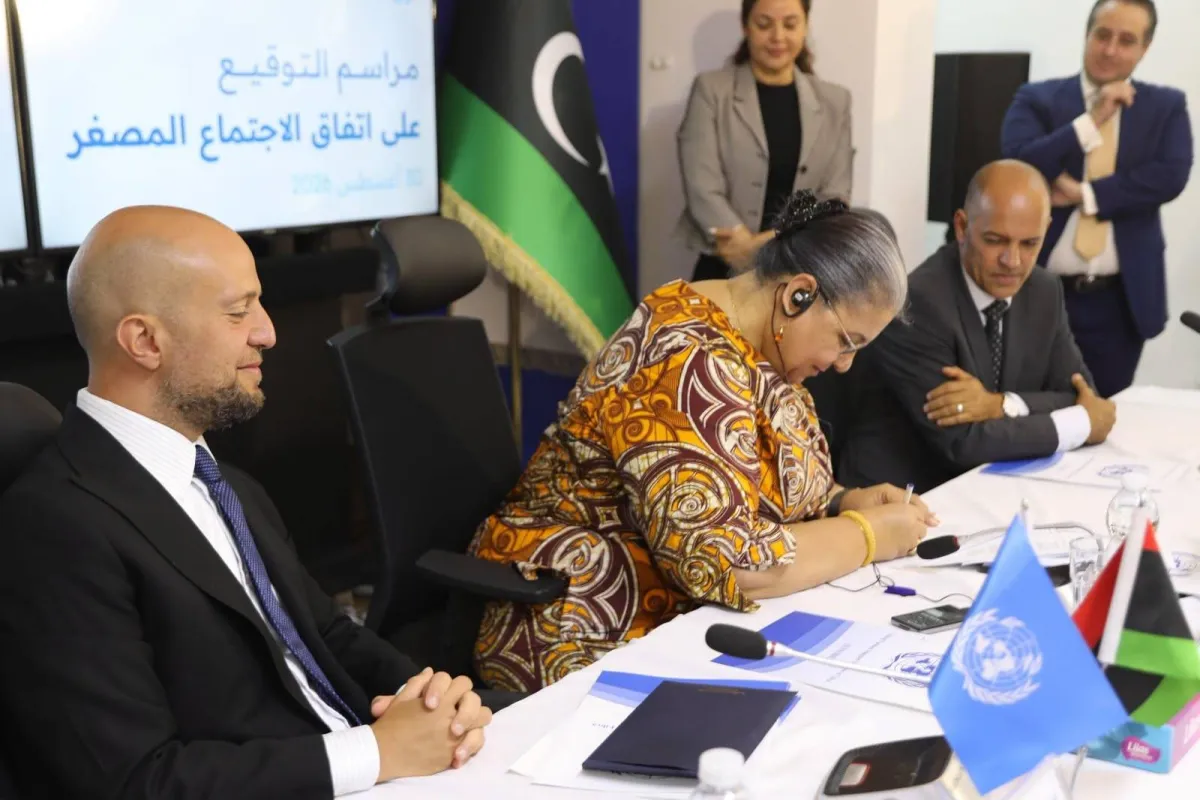
Representatives of Libya's Government of National Accord, led by Abdulhamid al-Dbeibah, and the Libyan National Army, led by General Khalifa Haftar, signed a "4+4" agreement in Tripoli two days ago under United Nations sponsorship. The deal, negotiated between representatives from the country's eastern and western administrations, aims to allow parliamentary and presidential elections within 24 months, according to the signatories.
The agreement addresses long-standing disputes over electoral law, including eligibility requirements for presidential candidates. Among the changes: military officers and dual nationals would now be permitted to run for president—a barrier that has prevented elections since 2021. Ashraf Abdullah, director of the Libyan Center for Security and Military Studies, told Al-Sharq Al-Awsat that both parties positioned themselves as beneficiaries of the accord.
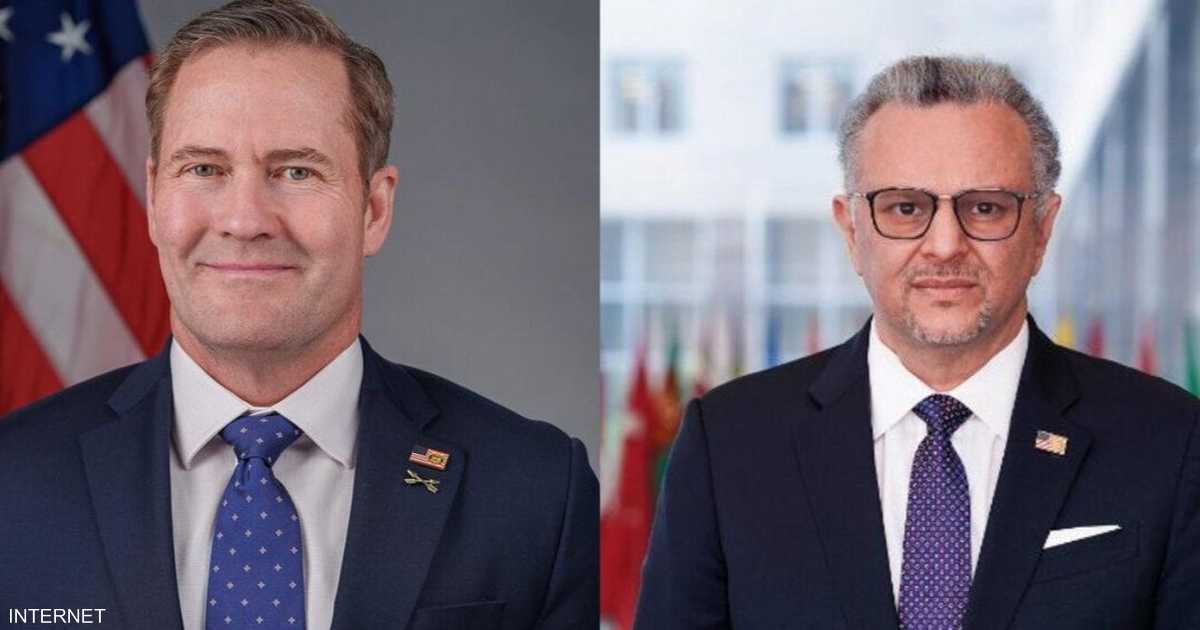
Abdullah argued that the National Army gains particular advantages through expected authority over internal security matters, selection of sovereignty institution leaders, and expanded eligibility rules for military candidates. He said the agreement "almost constitutes the practical application" of an initiative by Masad Boulos, a senior adviser to the U.S. president on Arab and African affairs, aimed at integrating major rival actors into an internationally legitimate government.
Abdullah predicted the two signatories would likely share executive power in a new government, with al-Dbeibah remaining as prime minister for two additional years and the National Army gaining internationally recognized political status. Mohamed al-Manafi, who heads the presidential council, and several other current officials may be forced to leave office, Abdullah said, while Osama Hamad, head of the rival eastern-backed government, would also likely step aside.
The agreement stipulates that if the House of Representatives and the State Supreme Council do not ratify it within a month, the signatories will seek adoption at the national level as a "constitutional document" through broad mechanisms backed by Security Council support. The deal ties elections to a unified executive and consolidated national institutions but does not address unification of Libya's fragmented military, which remains divided along geographic and factional lines.
Fathi al-Shebli, leader of the Libyan "People's Voice" party, said the agreement amounts to an extension of the transition period without addressing street-level crises including fuel shortages, liquidity problems and electricity cuts. The agreement's adoption of single-member districts for parliamentary elections, al-Shebli warned, "opens the door to financial influence, regional power, and possibly armed faction leaders, while sidelining party leaders and members seeking participation through political programs and platforms."