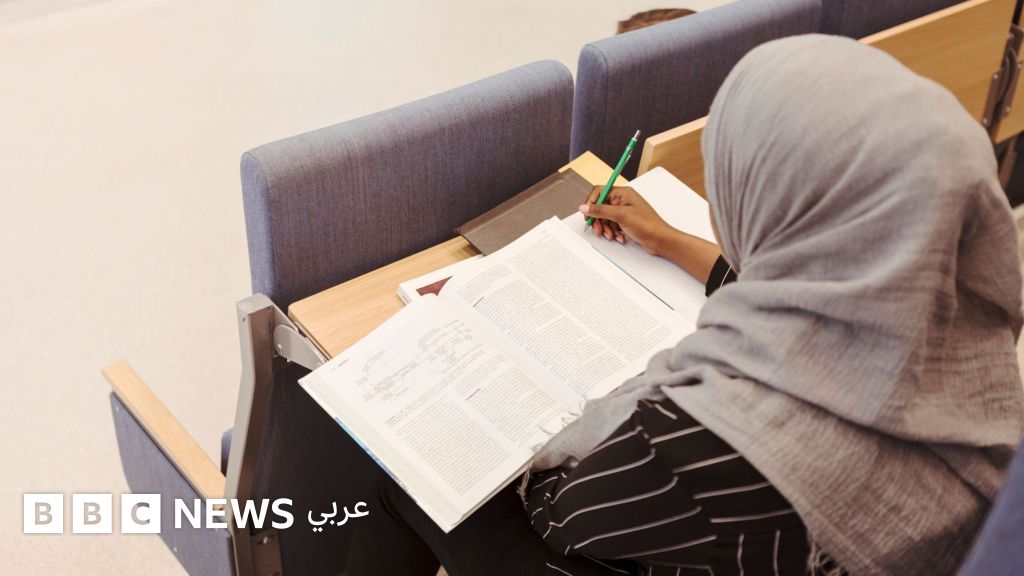
Kuwait's education ministry revoked the license of the country's only private Iranian school on August 6, ordering its closure and requiring families to enroll their children elsewhere before the new academic year begins in mid-September. The ministry did not specify a direct reason for the closure, citing only general education regulations, reports from the private education authority, and public interest considerations.
The school, which opened formally in 2008 in the Rumaithiya district, served approximately 1,500 students in the 2024-2025 academic year and operated according to Iranian curricula with Persian as the primary language of instruction. The institution had been in operation since 1984, after Kuwait provided land to the Iranian community to establish an educational complex.
One Iranian mother told the BBC that finding alternative schools within the compressed timeframe proved extremely difficult. She said her three children had studied at the Iranian school for about five years, and described the closure as sudden and disruptive after a long period of stability and integration into the school's environment. The new tuition fees at private alternatives are significantly higher than what the Iranian school charged, adding substantial financial pressure for families educating multiple children.
The mother said her family had benefited from an educational environment aligned with their values and traditions, both in academic standards and the teaching approach, and that the sudden transition to a school using Arabic as the primary language of instruction would require significant adjustment. She expressed concerns that the abrupt change could negatively affect her children's academic performance and psychological stability, and worried they might face bullying or social rejection based on their Iranian background.
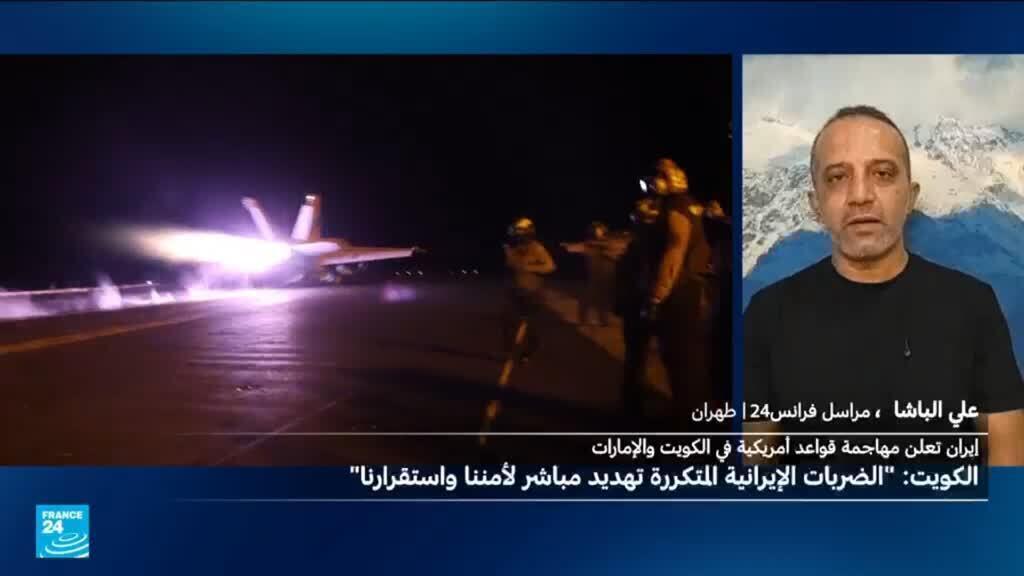
The closure occurred within a sensitive regional security and political context. Kuwait experienced Iranian attacks during the Iran-U.S. war, when Tehran said it targeted American interests and military bases in the region; Kuwait itself hosts American military forces and installations. A teacher at the school, who requested anonymity, said the closure's impact extended beyond students and families to teachers and staff now facing uncertainty about their professional future.
Similar measures against Iranian institutions have been taken elsewhere in the Gulf. The United Arab Emirates closed Iranian-linked facilities including schools, a hospital, and an Iranian club in Dubai following the start of the war, affecting approximately 2,500 students there, according to the head of the Iranian education ministry's foreign schools division at the time.