A Persian restaurant in Kuwait City removed the word "Iran" from its name earlier this year, citing sensitivity over the regional conflict. An employee told AFP during a reporting visit last month that management made the change but said the restaurant's business had not been affected by the war. Around 52,000 Iranians live in Kuwait, working as labourers in fishing and agriculture, and as merchants in the fabric and carpet trade.
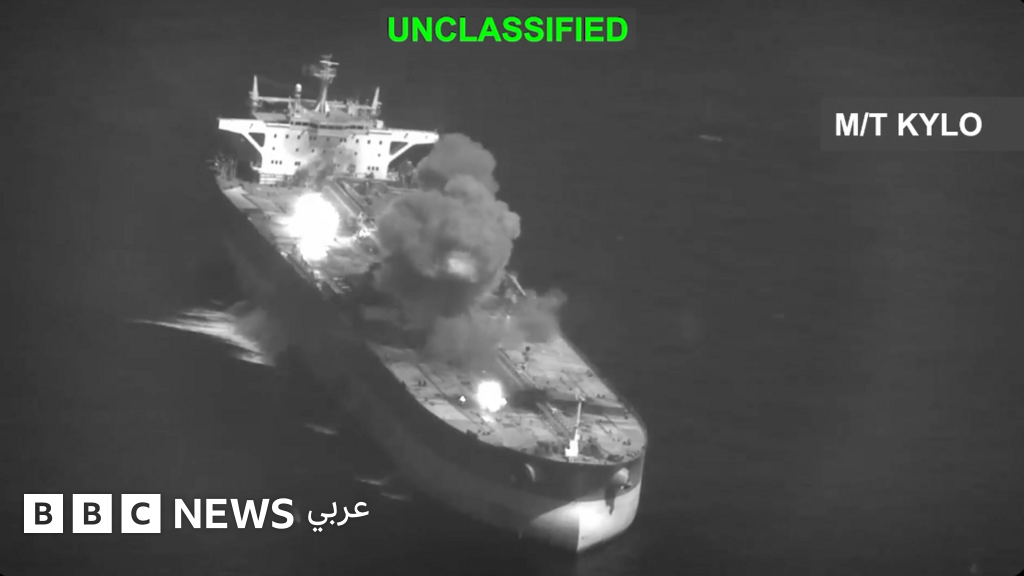
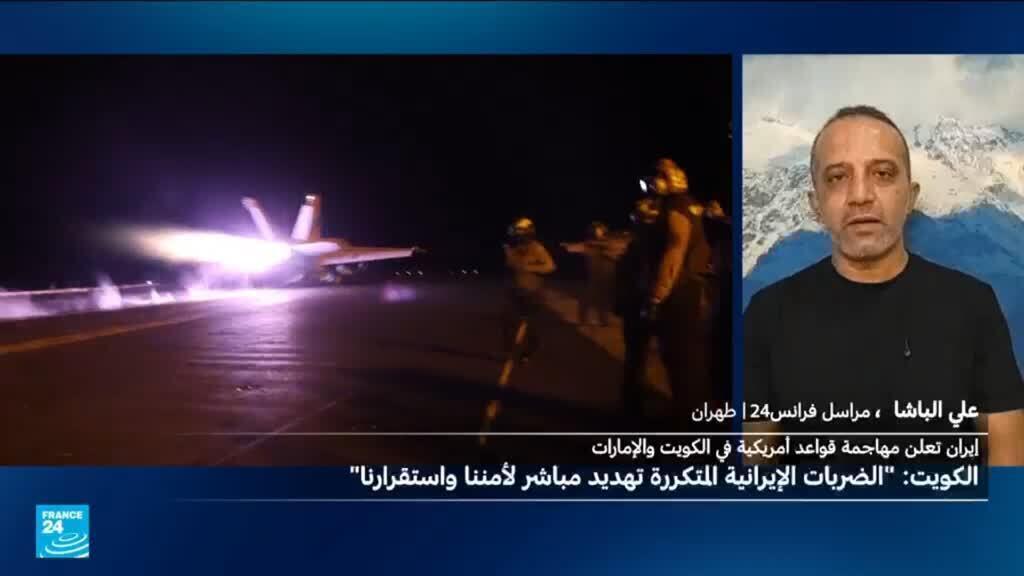
Iran and the United States have been in open conflict since earlier this year, with Iran launching repeated strikes on Kuwait using missiles and drones. The country was heavily targeted in July and again this week, with strikes hitting oil installations, civilian infrastructure and U.S. military bases. Kuwait suspended direct flights to Iran in February following air raids that triggered the conflict.
Hussein, an Iranian fabric merchant at Kuwait City's Mubarakiyah market who asked to use a pseudonym, said he has been unable to return to Iran where his daughter lives. He arrived in Kuwait 18 years ago and now runs a large fabric business with several branches. Before the war, trade between Kuwait and Iran totalled roughly $300 million in 2024, according to Kuwaiti media citing the two countries' joint chamber of commerce.
Kuwait's sole Iranian school was closed by authorities last month, according to a source at the education ministry who spoke on condition of anonymity. Kuwaiti authorities have also cracked down on suspected links to Iran's Revolutionary Guards, making arrests. Ali, an Iranian in his 30s who also used a pseudonym, said there was "a general feeling of anxiety" but that he had not been harmed or harassed.
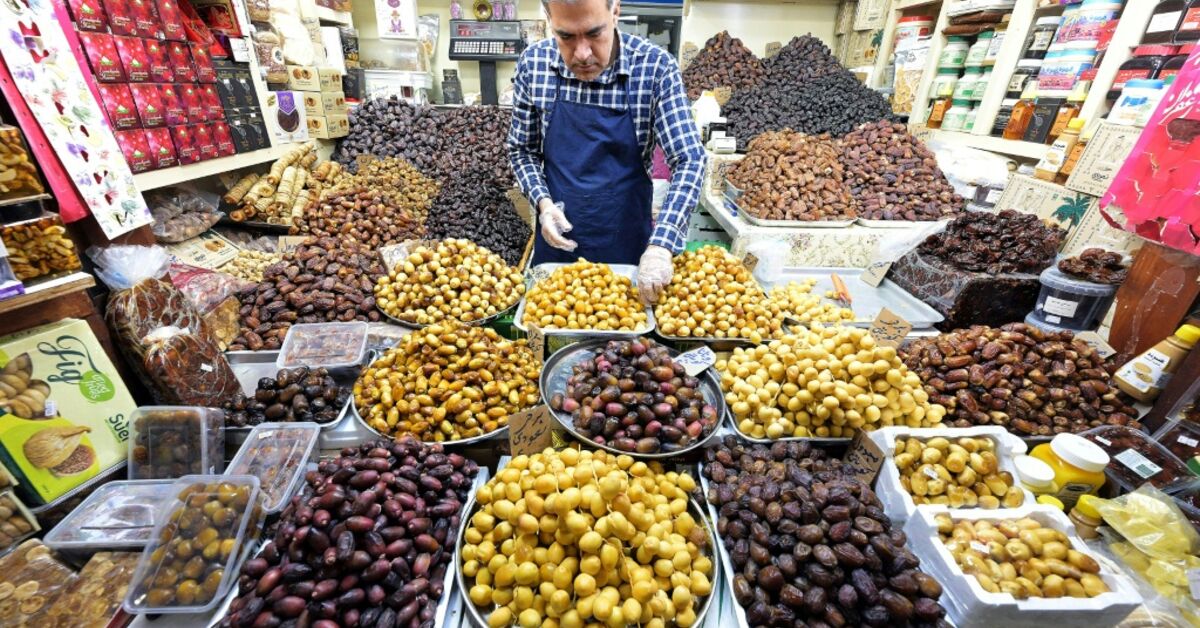
Hussein said his business relationship with Kuwaiti customers remained good and that he had not been affected by the war. Iranian vendors continue to operate at the Mubarakiyah market, selling sweets and other goods to a steady stream of customers. A Kuwaiti woman in her 50s who declined to give her name said: "They are part of Kuwait's history, and it is impossible to imagine going without them."