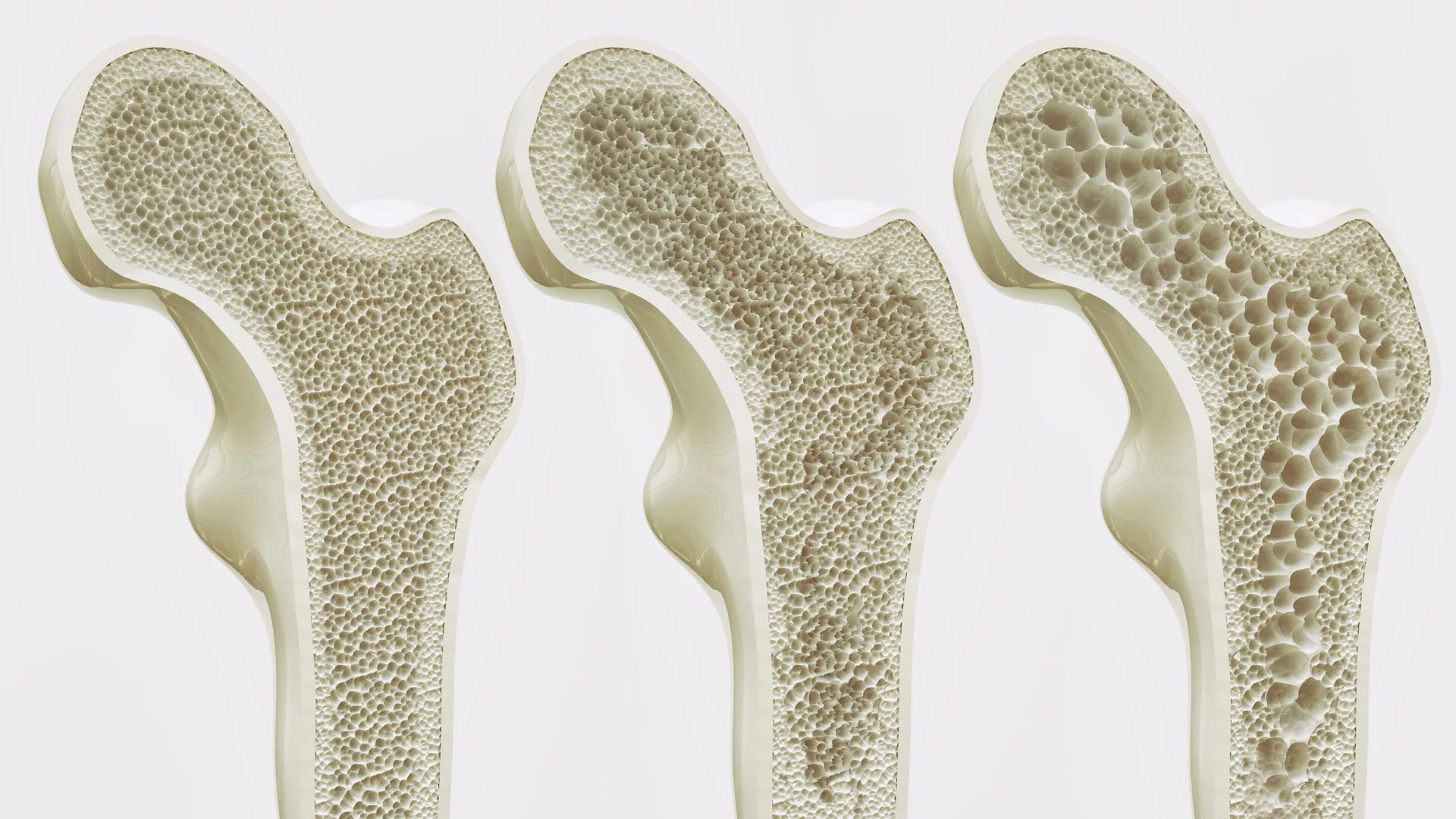
Researchers at Flinders University found that coffee and tea have different associations with bone density in older women, according to a study published in Nutrients. The research tracked nearly 10,000 women aged 65 and older for 10 years, measuring changes in bone mineral density, a key indicator of osteoporosis risk.
Women who drank tea showed slightly higher bone density in the hip than those who did not drink tea, a difference that was statistically significant. The effect differed based on other health factors: tea's apparent benefits were more pronounced among women with obesity, while the negative effects of coffee were stronger among women with higher lifetime alcohol consumption.
Moderate coffee consumption of about two to three cups per day showed no associated harm to bone health. However, women who drank more than five cups daily had lower bone mineral density, the study found.
Enwu Liu, an adjunct associate professor at Flinders, said that compounds called catechins in tea may promote bone formation and slow bone breakdown. Ryan Liu, a co-author, noted that caffeine has been shown in laboratory studies to interfere with calcium absorption and bone metabolism, though these effects are small and can be offset by adding milk to coffee.
The researchers emphasized that the differences observed were modest and not large enough to justify major changes in individual habits. The study analyzed data from the Study of Osteoporotic Fractures and repeatedly measured bone density at the hip and femoral neck, areas closely linked to fracture risk.