The U.S. Treasury Department imposed sanctions on Friday on Golden Global Bank in Istanbul and its branches, saying it had "facilitated financial transactions worth tens of millions of dollars" for Iran's Islamic Revolutionary Guard Corps. The bank was established to enable Iran's shadow banking network to move oil revenues from China to Turkey, where they could be converted to cash and gold through exchange companies, the Treasury said.
Golden Global provided banking messaging services to Iranian financial institutions, allowing transactions through accounts controlled by the Quds Force, the Guard Corps' extraterritorial arm, and its agents, according to the Treasury statement. The bank's Turkish parent company said it had complied with all local and international banking rules and compliance standards.
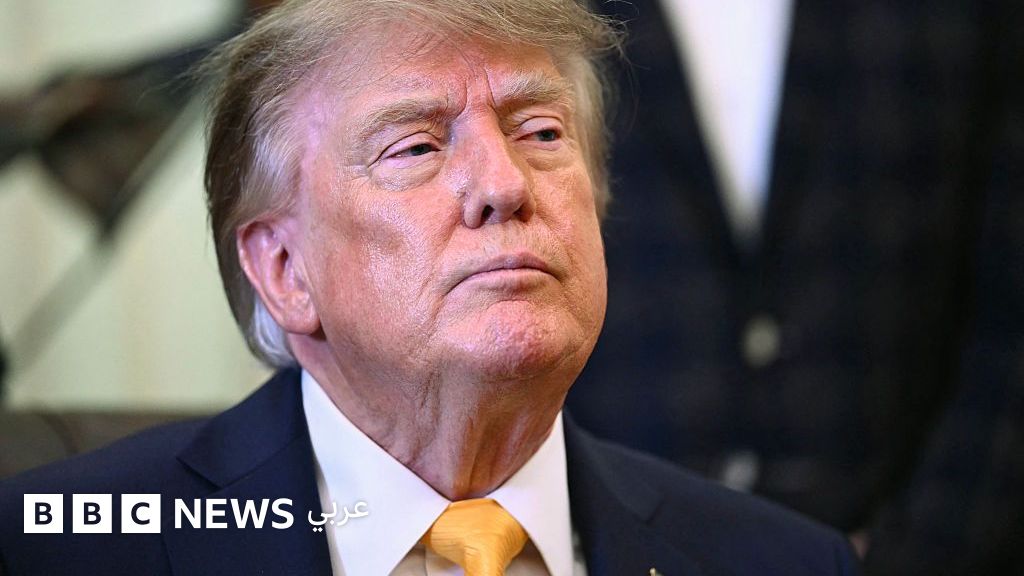
U.S. Treasury Secretary Scott Beisenhal said in a statement that "financial institutions are learning, the hard way, how serious we are about economic isolation." He told America's Voice News that the action was "a clear statement: end your operations," and predicted sanctions on another bank within a week.
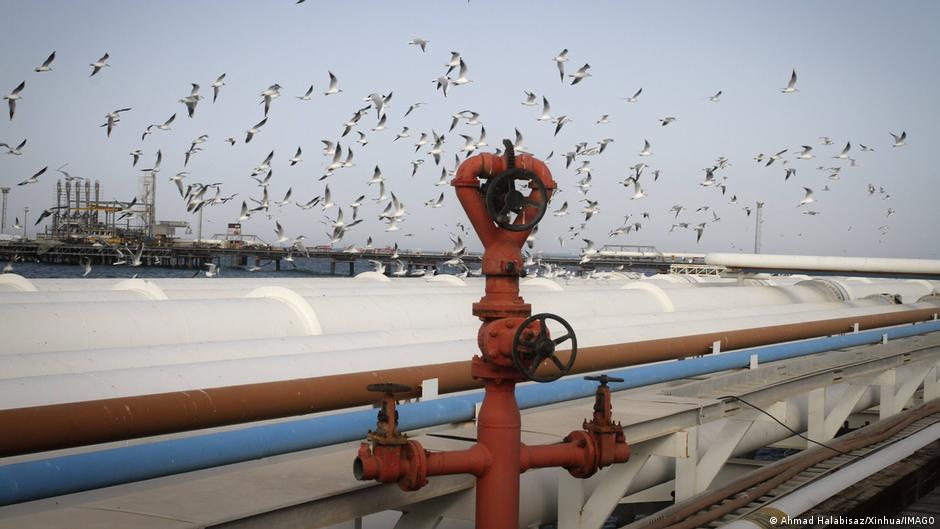
U.S. officials said sanctions on Iranian banks would continue this week and next, aiming to choke Iran's economy. Three senior Iranian sources told Reuters the American campaign to restrict oil exports and close sanctions loopholes "has become more severe for Tehran." Iran's proven reserves are falling; one source said the country has only two months of gasoline stockpiles, despite domestic oil production, due to limited refining capacity.
Kepler data showed Iranian crude exports fell this month to around 260,000 barrels a day, down from roughly 1.7 million a day a year ago. Diesel prices in the United States hit a record $5.85 per gallon on Friday, up from $3.71 a year ago, according to the American Trucking Association.
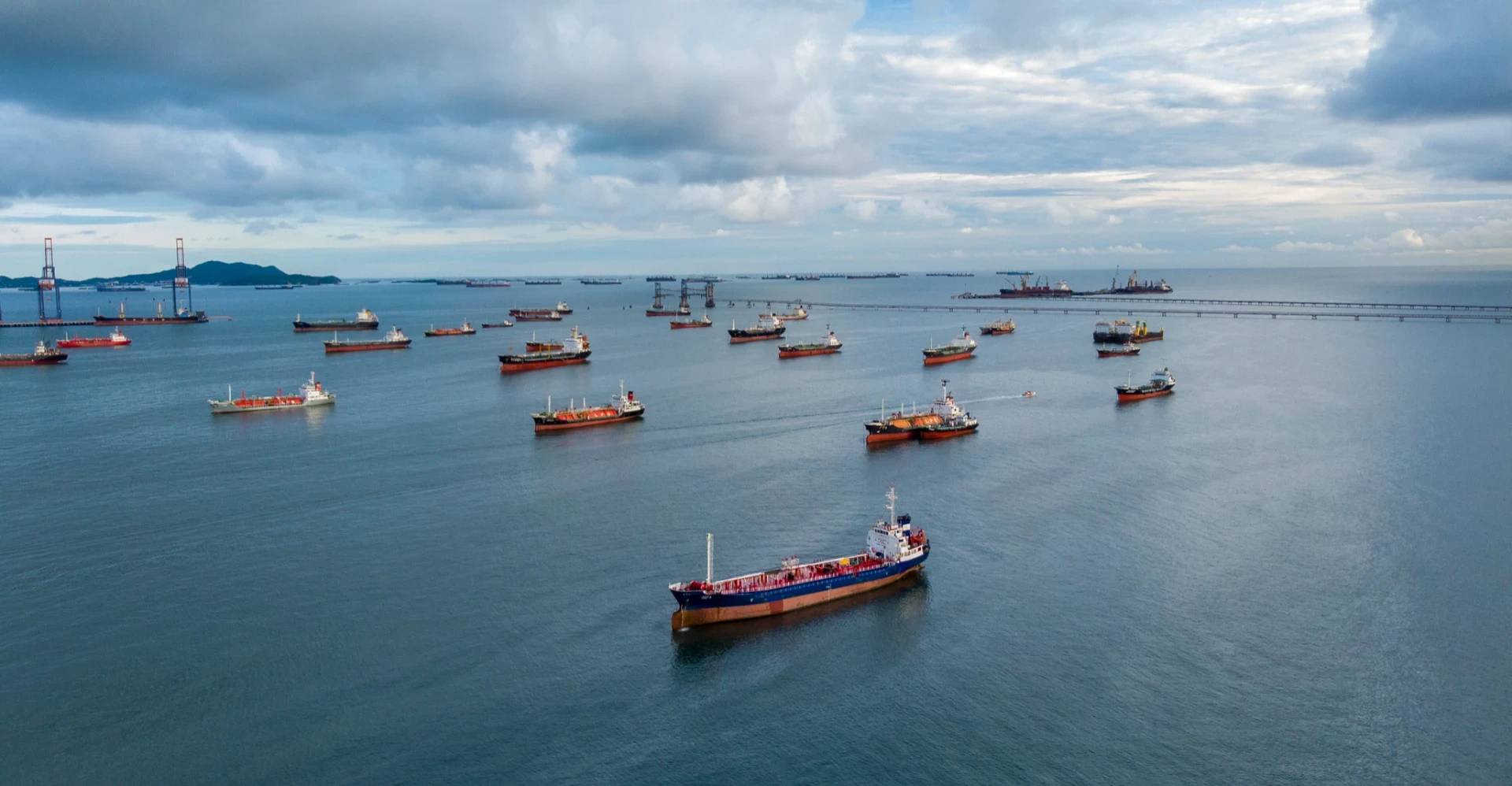
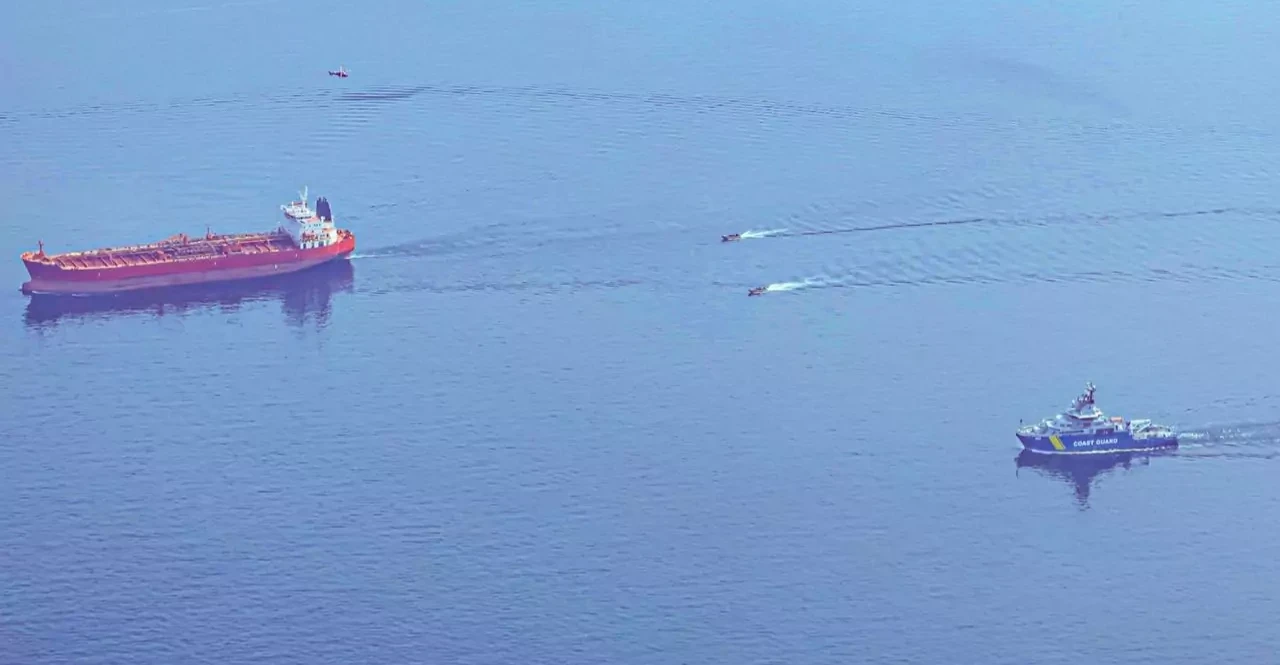
South Korea's presidential office said Friday that Seoul was studying a "contribution" to securing the Strait of Hormuz, which has seen rising tension since the U.S.-Iran conflict began. A presidential spokesman said any such contribution would be managed within limits that do not affect South Korea's military readiness against threats it faces. Preliminary shipping data on Friday showed four cargo vessels crossed the strait on Thursday, down from nine the day before and well below the average of about 15 vessels over the previous ten days.