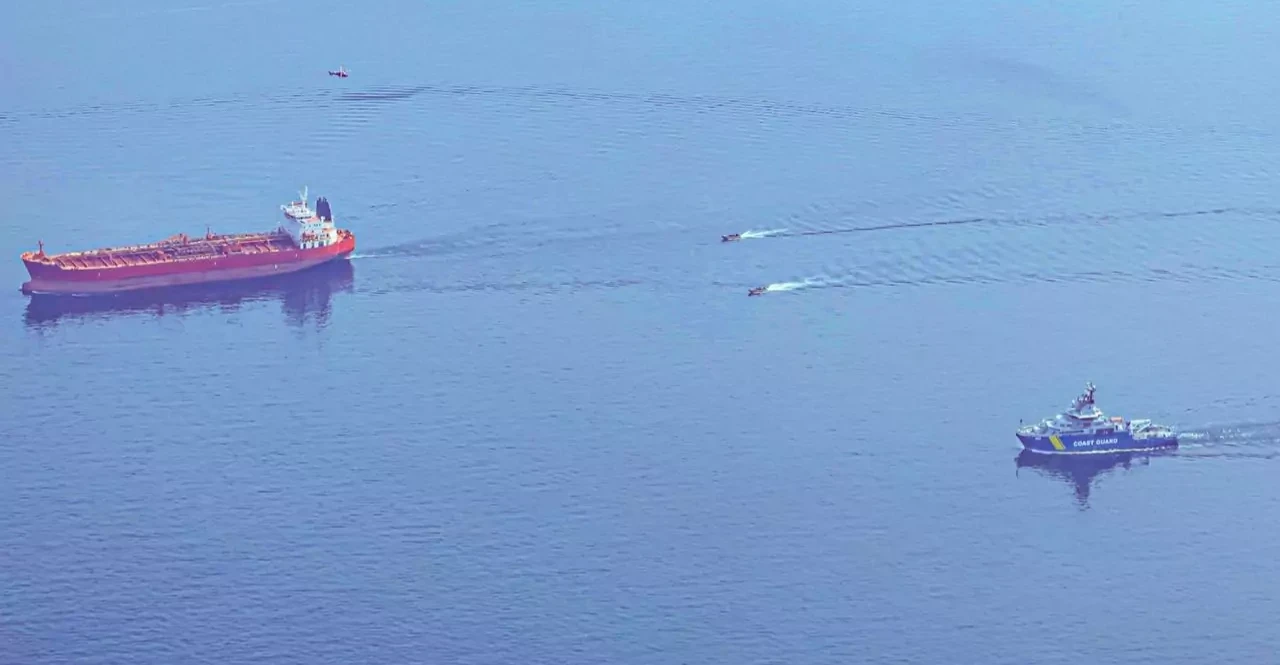
The Trump administration has imposed what it calls "economic D-Day" sanctions on Iran, targeting oil, banking, gold, shipping, aviation and technology sectors. The measures aim to achieve what military pressure since February failed to accomplish, according to US officials.
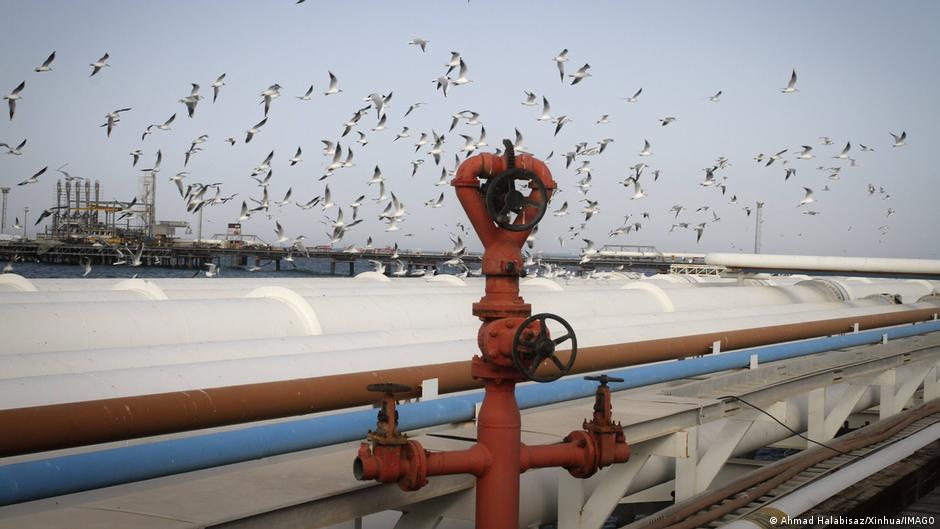
Iranian authorities are increasingly turning to cryptocurrencies such as bitcoin to transfer money, conduct trade and finance oil shipments passing through the Strait of Hormuz, according to the Fars News Agency, which is close to Iran's Revolutionary Guards. Digital currencies operate outside traditional dollar-based financial networks, making them harder to track through conventional banking systems.
Babak Zanjani, a 53-year-old billionaire released from prison last year, has emerged as a key figure in these networks. The Fars News Agency reported that Zanjani proposed using cryptocurrencies for oil-related business; Behzad Ahmadinia, an Iran-born journalist based in Cyprus specializing in oil and energy, said Zanjani belongs to "an economic elite with innovative ideas" and that the regime appeared to be relying on such professionals for efficiency.
Zanjani's earlier business career illustrates Iran's decades-long experience in sanctions evasion. He controlled a network of roughly 60 companies across Malaysia, Tajikistan, Turkey and the United Arab Emirates, and sold billions of barrels of Iranian oil on the black market during Mahmoud Ahmadinejad's presidency. In 2016, he was accused of failing to return $2.6 billion in oil revenues to the Iranian state and was sentenced to death after a trial, though he later negotiated with authorities.
The United States placed Zanjani back on its sanctions list in January 2026 and expanded measures in July to target his broader network of companies and associates. One day before the expanded sanctions announcement, Zanjani opened a café and pastry shop in western Tehran; authorities shut it down the following day.
Jamshid Assadi, a France-based economist, told DW that many traditional sanctions-evasion routes are now well known and increasingly difficult for Iran to use. The question remains whether the latest US measures can effectively reach the networks underpinning Iran's shadow economy.