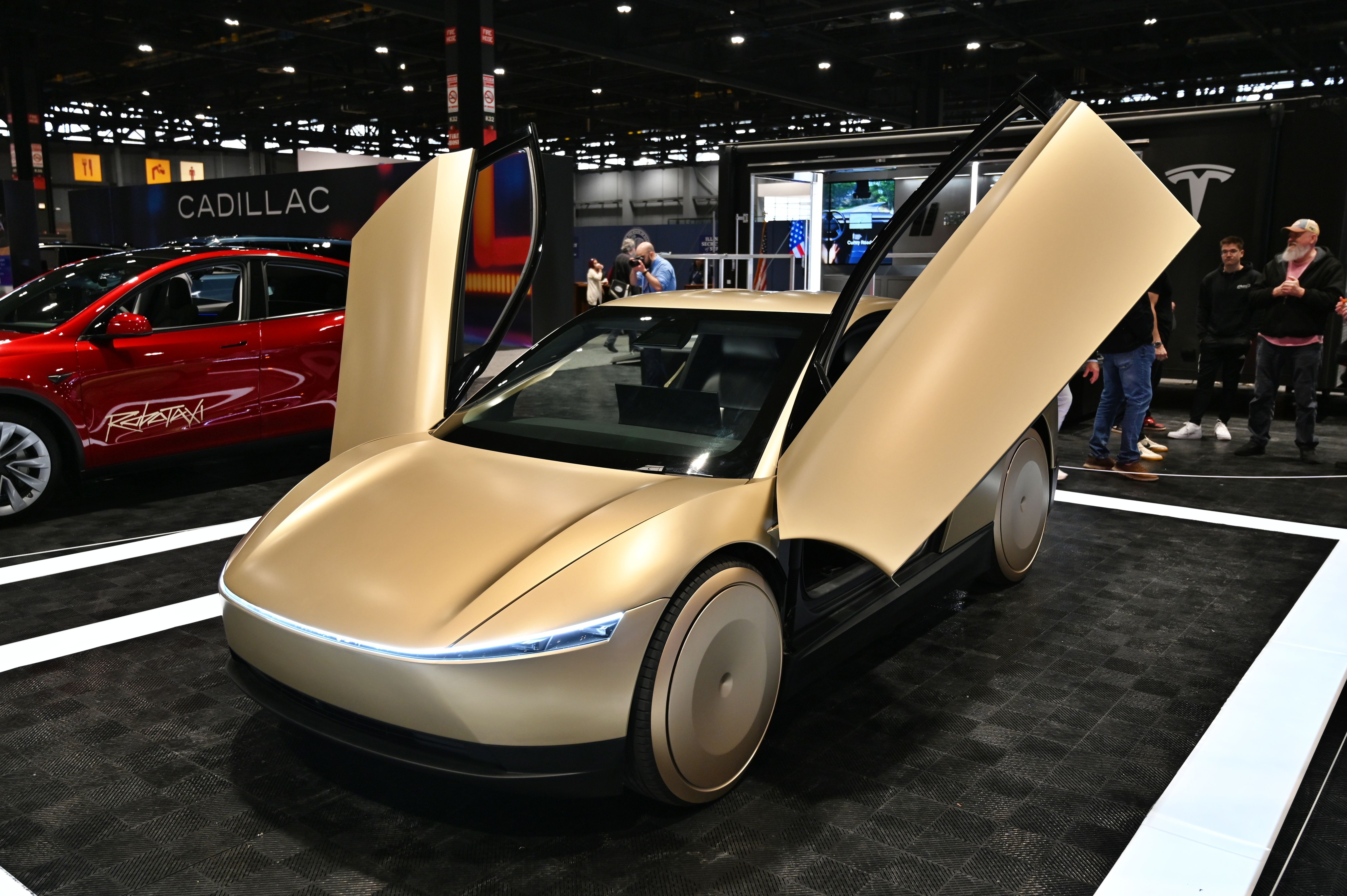
Tesla will host an event Thursday at its Austin, Texas headquarters to formally introduce the Cybercab, a steering-wheel-free vehicle designed for autonomous ride-hail operations. The company has operated a pilot robotaxi program in Austin since last summer and has since expanded to other cities in Texas and Florida, with permits to launch in Arizona and Nevada. Before the event, Tesla registered 51 Cybercabs to operate in Texas alongside 263 Model Y vehicles.
The basic business model for the Cybercab remains unclear, particularly whether Tesla intends to sell the vehicles directly to consumers or operate them solely as a ride-hail service. States regulate autonomous vehicles with varying degrees of strictness, controlling permits and data collection differently. Elon Musk, Tesla's chief executive, has said the company will sell Cybercabs to consumers before the end of 2026.
Manufacturing the physical vehicle is likely the simpler challenge ahead for Tesla. Running a functional autonomous vehicle service and building the software to power it represent far greater obstacles that Tesla has yet to demonstrate at scale. Seth Goldstein, a senior equity analyst at Morningstar, said that "ultimately, it only matters if the software can allow a car to navigate safely."
Tesla's strategy relies on inexpensive cameras alone to enable autonomous driving on complex public roads, an approach that differs from competitors. Waymo, the US industry leader in robotaxi services, wrote in a blog post last month that "cameras are incredible, but they aren't enough," citing its use of lidar and radar alongside cameras.
Tesla's Full Self-Driving (Supervised) product, available to drivers for $99 monthly, currently performs multiple driving tasks including lane changes and stopping at red lights. The company requires drivers to pay attention and be ready to intervene at all times, according to its manuals. The National Highway Traffic Safety Administration opened an investigation in 2024 into crashes involving the system following concerns that it falters in poor visibility conditions, with that investigation ongoing.