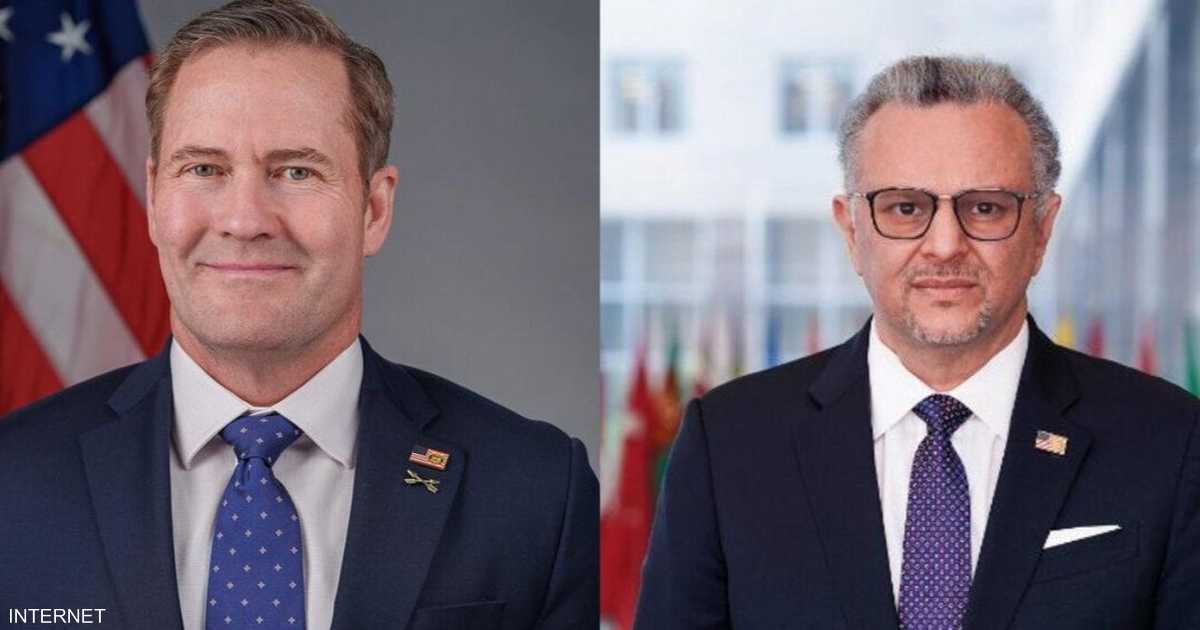
Massad Boulos, senior adviser to the U.S. President on Arab and African affairs, brought concerns about Sudan's conflict spreading to neighboring countries before the U.N. Security Council. He warned that developments could fuel fighting and increase the risk of deeper involvement by neighboring states.
Boulos made the warning after reports of a military attack inside Chad, following a phone call with Chadian President Mahamat Idriss Déby. Boulos said both sides held "deep concern" that the Sudan conflict could spread beyond borders and trigger further escalation, threatening regional peace and stability.
A U.N. fact-finding mission reported that weapons, military technology, foreign fighters and outside supply networks have prolonged the fighting and strengthened both sides. The mission said a cross-border network linked to individuals, organizations and states has provided weapons, military equipment, logistics support and foreign personnel to the Rapid Support Forces, a paramilitary group fighting Sudan's army.
Countries named in the allegations denied the accusations, saying they maintain neutrality and support peace efforts. The mission said its investigation into sources of foreign support to the army remained in early stages.
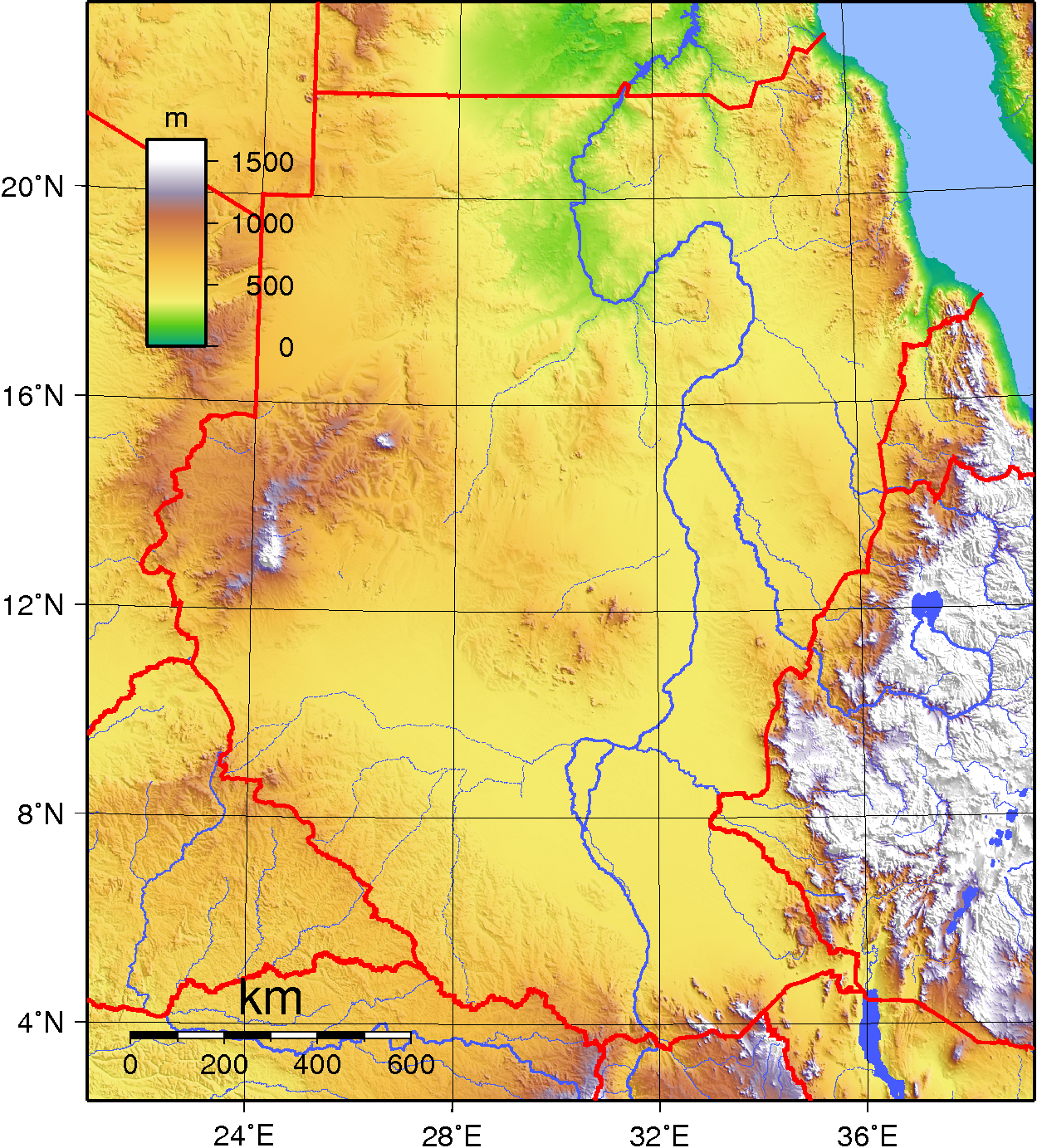
Alan Boswell, director of the International Crisis Group's Horn of Africa project, said the war now divides the region and has pushed neighboring countries to take stronger positions around the two warring sides. He identified Chad and South Sudan as most exposed to the conflict's consequences and said tensions in Ethiopia and Somalia warrant close monitoring.
Retired Sudanese General Kamal Ismail warned that the conflict's geographic expansion could lead to a more encompassing civil war and make the complex situation harder to resolve. Ismail said the longer the war continues, the more the combatants lose the ability to control its trajectory or stop it.