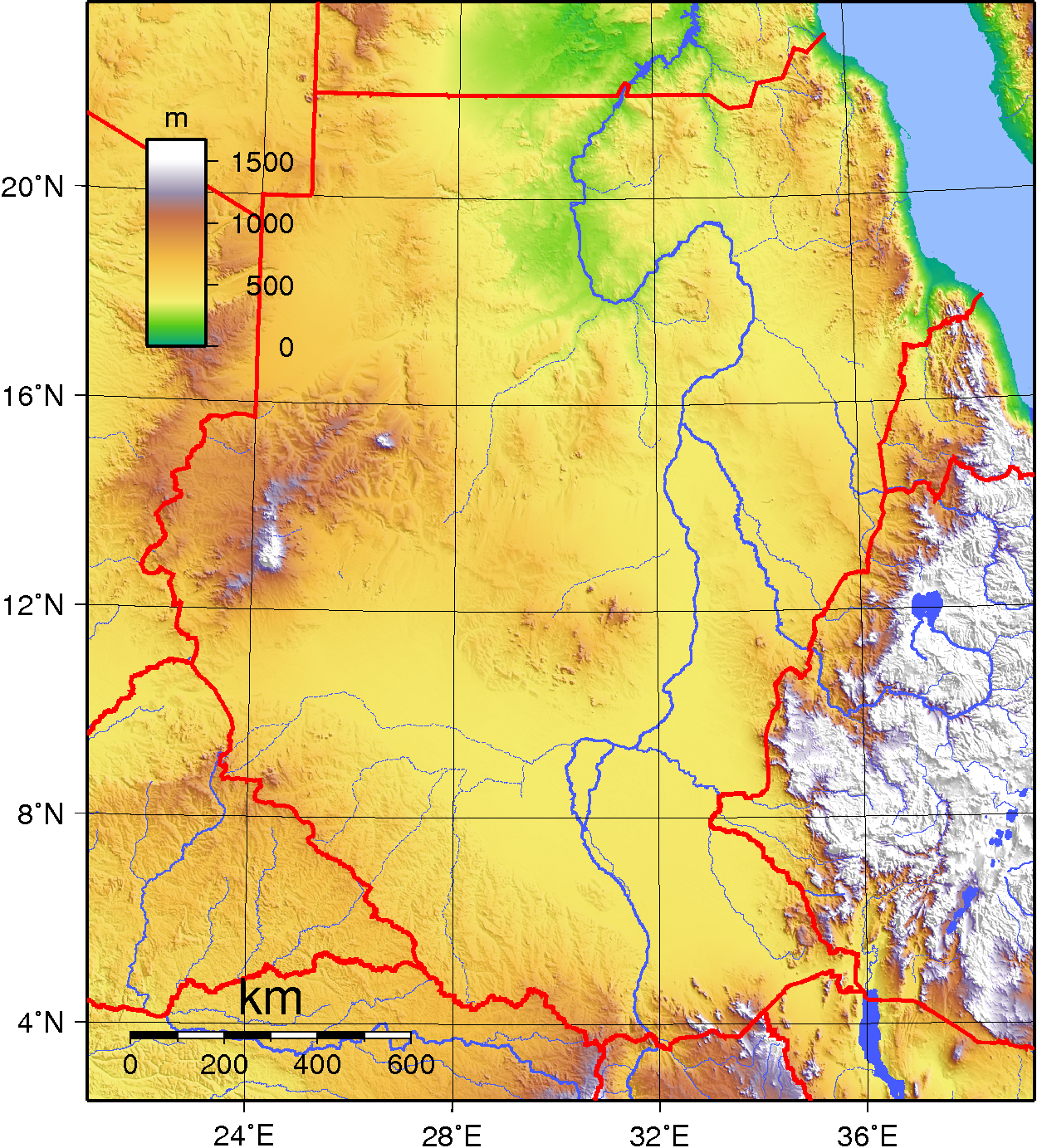
Pastoralists in Sudan have traditionally migrated north and south with the seasons, following rainfall across grazing lands up to 500 kilometres apart. But increasingly erratic rainfall is shortening these grazing periods and forcing herders to migrate earlier into farming areas, according to a recent report by the UN Development Programme.
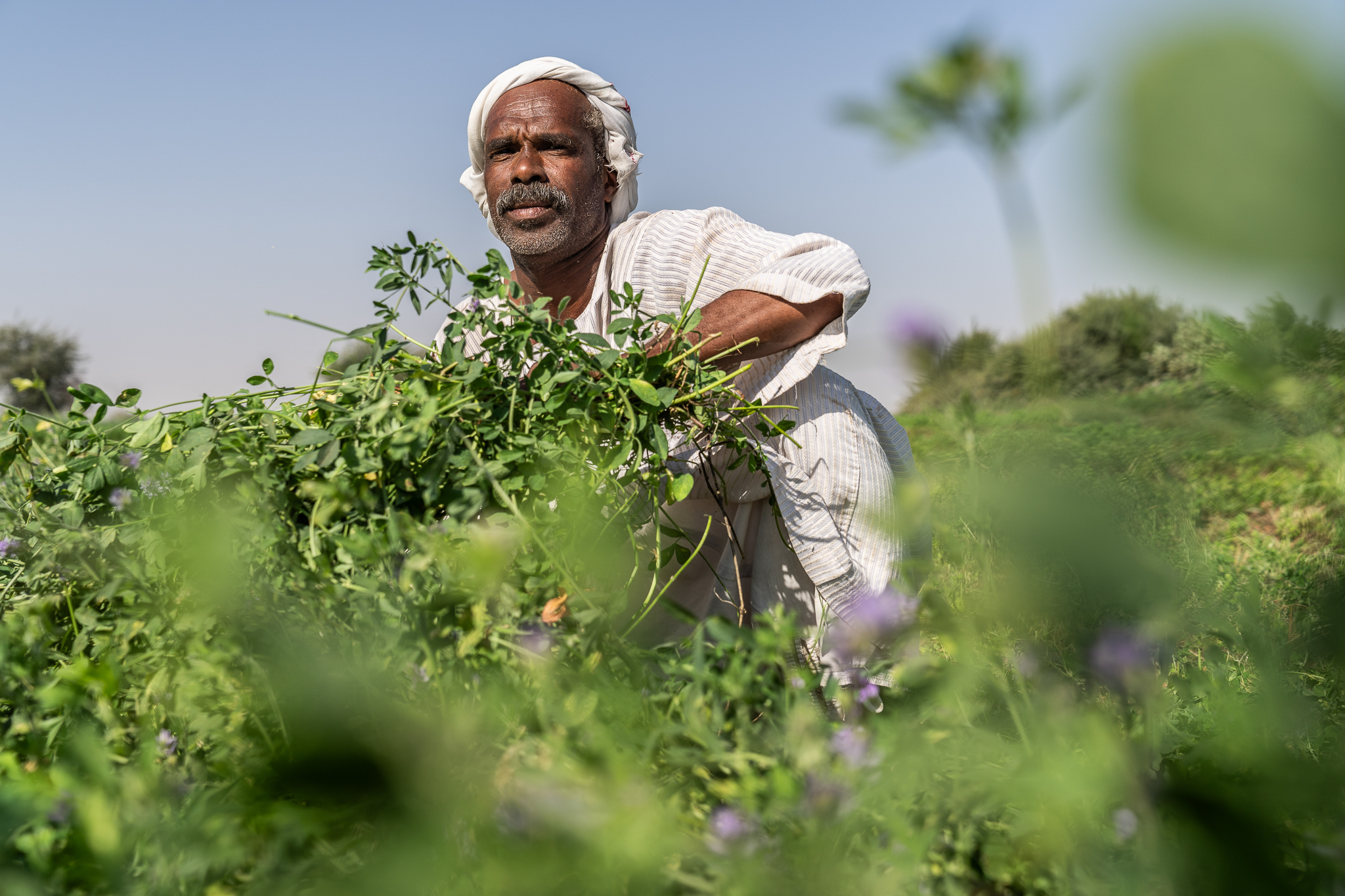
At the same time, mechanised agriculture and land privatisation have expanded farming into pastoral areas, intensifying resource conflicts between the two groups, especially during droughts. The UNDP said livestock usually feed on crop residue after harvests, fertilising soil for the next planting season, but climate shocks are disrupting this cycle.
Sudan is developing climate-risk management tools to address the tensions, including weather-index insurance that triggers automatic payments when rainfall drops below set thresholds. According to the UNDP, herders can use these payments to cover feed, water trucking and veterinary care. The UNDP described targeting farmers and pastoralists equally through such programmes as a pioneering approach with "substantial peace dividends".
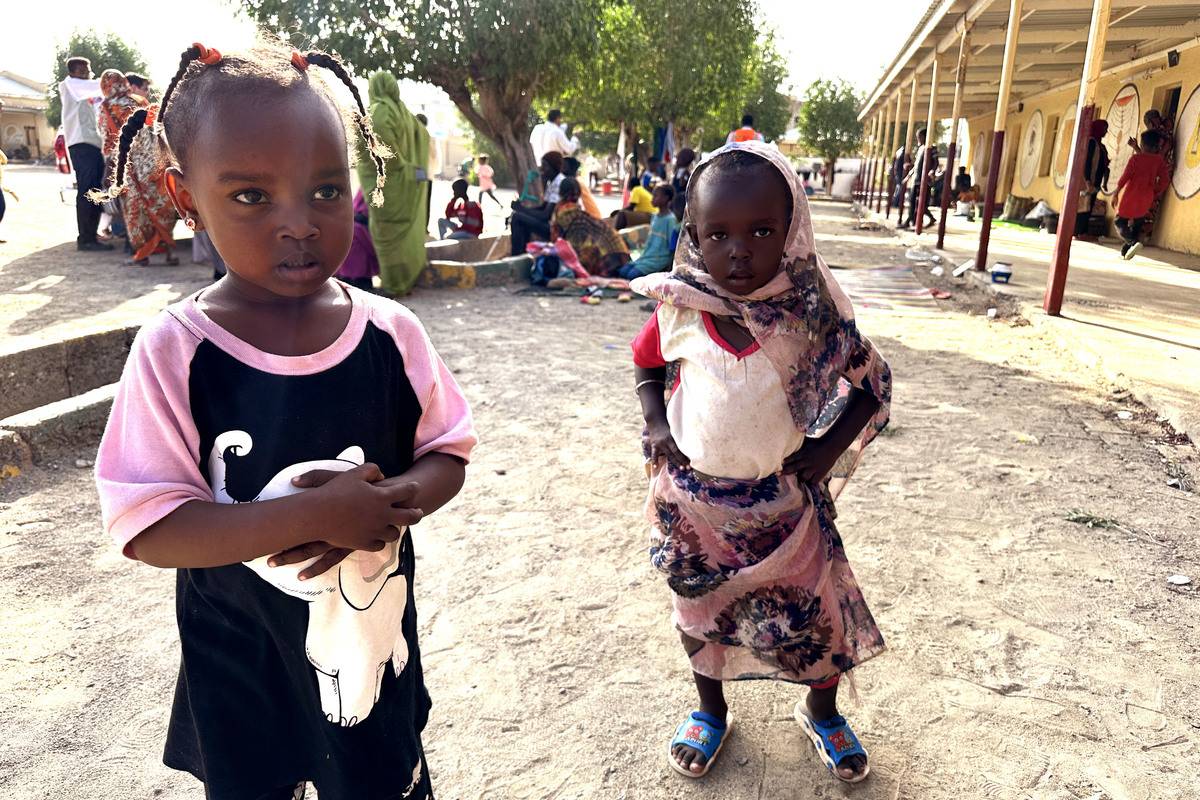
In South Kordofan's Abu Jubeiha locality, about 57,880 displaced people are living across 62 locations, according to the International Organization for Migration, making it the second-largest hosting area in the state after Kadugli. Many live in the El Safa camps, where Médecins Sans Frontières says families face persistent shortages of water, sanitation and healthcare.
MSF began responding in Abu Jubeiha in June 2026, initially trucking water to the camps before drilling a borehole and installing a solar-powered pump. The organisation said it has supplied more than one million litres of water since then, reducing the walk for residents from at least three kilometres to on-demand access. MSF also expanded healthcare services at Abu Jubeiha General Hospital and supported a Ministry of Health vaccination campaign covering measles, rubella, polio and yellow fever.
The rainy season poses additional challenges, with MSF reporting that unpaved roads make the movement of aid and supplies difficult.