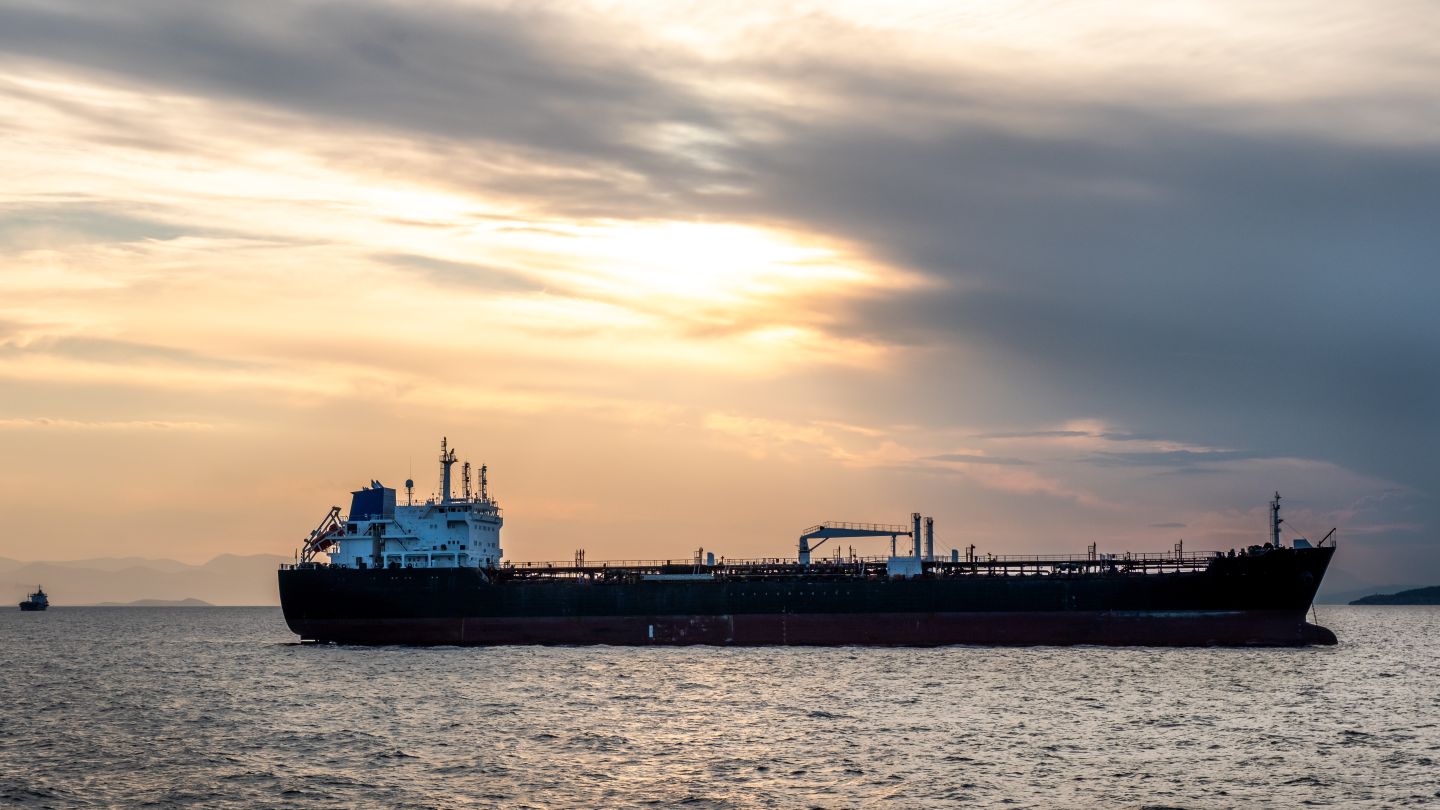
Oil prices hovered near four-week highs on Wednesday, 2 September, as traders weighed the risks of further supply disruption following overnight military exchanges between the United States and Iran and reported attacks on tankers departing the Strait of Hormuz. Brent crude futures edged up 0.09 dollars to 94.74 dollars a barrel, while US West Texas Intermediate crude fell 0.19 dollars to 90.03 dollars a barrel, according to Reuters. Both benchmarks reached their highest levels since 24 July during the session, with Brent peaking at 97.04 dollars a barrel and WTI at 92.29 dollars a barrel.
The overnight military exchange marked the most significant between the two countries in weeks, with Washington warning of the potential for further strikes. The Islamic Revolutionary Guard Corps said US actions would increase constraints on traffic through the Strait of Hormuz, a waterway that previously carried nearly 20 percent of global oil exports. Qatar and Oman have attempted to mediate a reopening of the strait, which has been effectively closed to commercial shipping for more than six months, but their efforts have not succeeded.
Two Saudi supertankers were struck by unidentified projectiles on Monday as they departed the strait, according to shipping data company Kpler. The Saudi-flagged vessel Sidr was hit around 16.6 nautical miles northeast of Khasab, Oman, while the Liberian-flagged Senegal Prosperity was struck by three unidentified projectiles around 17 nautical miles east of Khasab, according to Reuters. Each vessel was carrying two million barrels of oil.
The US Energy Secretary Chris Wright reported that 17 million barrels of oil passed through the Strait of Hormuz on Monday, the largest volume since regional hostilities began to affect crude flows. Data from the American Petroleum Institute showed US crude inventories dropped by 2.6 million barrels in the week ending 28 August, with distillate stocks declining by 265,000 barrels.