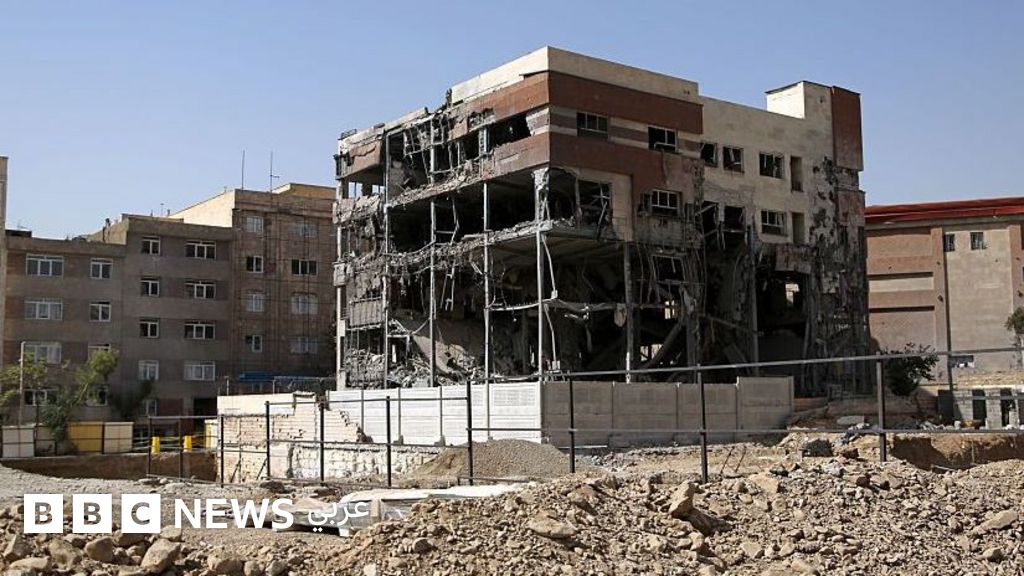
Fertilizer prices have climbed sharply this year as conflict in Iran disrupts global supplies of ammonia, a key ingredient in crop nutrients. Urea, the most commonly used fertilizer, reached $850 per metric ton in April, about 80 percent higher than before the conflict and the highest level since Russia's 2022 invasion of Ukraine. Prices have declined from that peak but remain volatile.
Natural gas is both an energy source and a chemical input in ammonia production, making fertilizer prices highly sensitive to energy-market swings. About one-third of global seaborne fertilizer trade passes through the Strait of Hormuz, which has been effectively closed to commercial traffic because of the conflict. The World Bank warned that access to fertilizer could worsen for some of the poorest countries around the world.
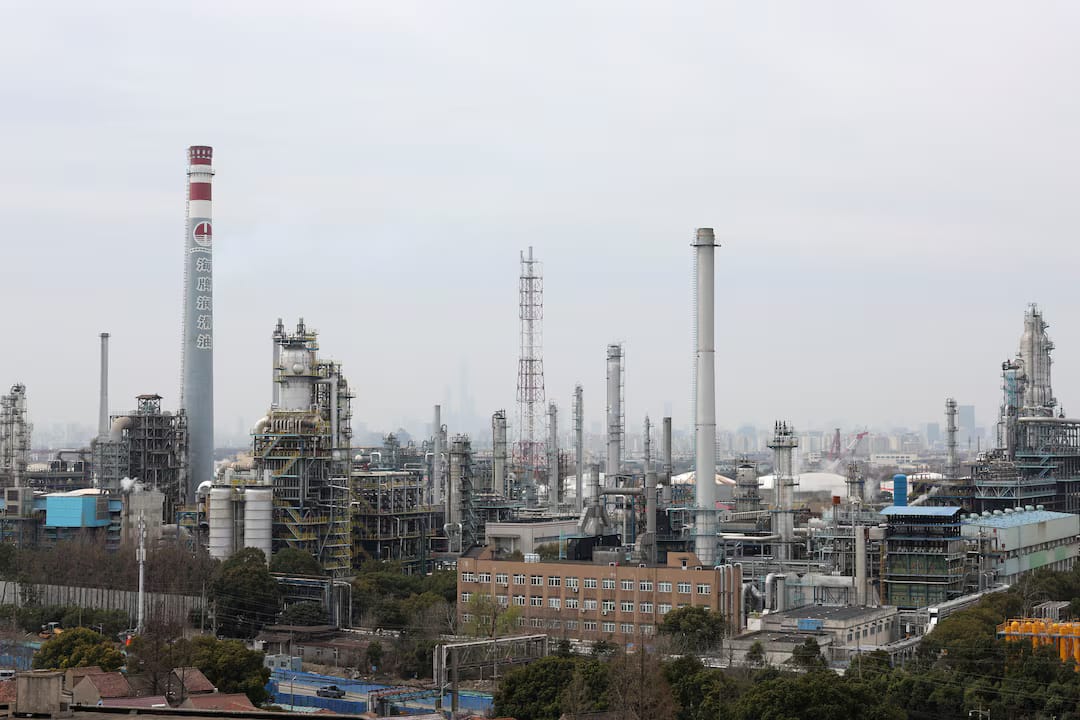
The damage to ammonia production capacity appears long-lasting. According to reporting, 31 ammonia plants in the Middle East have been affected or shut down, on top of 20 ammonia plants damaged in Russia in recent years. Some fertilizer prices could remain elevated through at least 2028, according to a report from CoBank, a major lender to the U.S. agriculture industry.
High fertilizer costs squeeze farmers with narrow profit margins and push food prices higher for consumers. Higher input costs also come as farmers face elevated diesel prices. Some companies are developing microbe-based fertilizers that use genetically edited organisms to provide nitrogen to plants, which do not rely on natural gas.
Pivot Bio says its microbe-based products are cost-competitive with chemical fertilizers and do not face the same price volatility. The company increased production volume and locked in three-year prices for farmers after the Iran conflict began. Depending on the crop and conditions, such products can currently replace about 25 percent of synthetic fertilizer, with companies hoping to reach 40 to 50 percent of total demand.