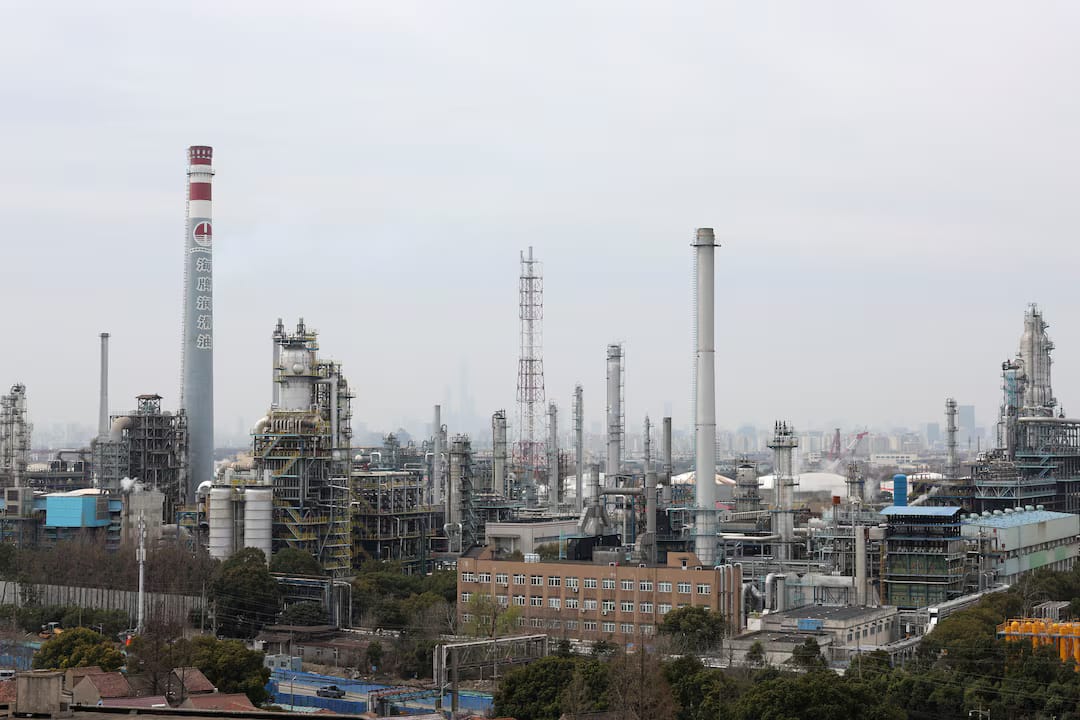
Russian ESPO crude, shipped from Pacific ports, has rallied sharply as Chinese refineries increase purchases, seeking alternatives to disrupted Middle Eastern supplies and sharply reduced Iranian exports. The premium on ESPO loadings scheduled for November exceeded $10 per barrel above Brent this week, double the level a week earlier, with some offers reaching $12 per barrel, according to the energy platform that tracked the prices.
The shift reflects a turnabout in Asian crude markets. ESPO loadings scheduled for September were selling in July at a discount of $1 to $3 per barrel to Brent; those scheduled for August traded at a $4 discount. The November shipments now command a premium, a reversal driven by Chinese refiners seeking quick-delivery alternatives as Hormuz Strait disruptions and broader Middle Eastern turmoil curtail traditional suppliers.
Iran's crude exports collapsed under U.S. sanctions, falling from roughly 2 million barrels per day in March to between 220,000 and 255,000 barrels per day in August. Shipments from other Gulf producers have remained below normal levels because of war and shipping disruptions, according to the energy platform. ESPO crude, with a transit time of around a week from Russia's Pacific coast to China, offers both proximity and a route that avoids the Strait of Hormuz.
Sinopec, China's largest refiner, increased Russian oil purchases in recent months, including ESPO, Sokol, and Urals grades, with purchases expected to exceed 20 cargoes. Smaller independent Chinese refineries, known locally as "teapot refineries," now face higher costs as major refiners bid up the premium, forcing some to explore alternatives from Iraq, Brazil, and Canada.
Chinese refining margins have improved, supporting the higher crude prices. Independent Chinese refineries earned 691 yuan ($103) per ton—their highest level in three years—according to data from JLC, a local consultancy. This margin improvement gives refiners more ability to absorb higher crude costs and justify purchasing ESPO despite the sharp premium over Brent.
The surge in Russian crude prices combines two factors: supply disruptions from Iran and Gulf producers, and strong Chinese demand supported by improved refining economics. ESPO crude has moved from trading at a discount to recording its highest premium since late April 2026 in the span of weeks.