Brent, the benchmark for two-thirds of the world's oil, jumped 0.8 per cent on Friday to settle at $96.28 a barrel. For the week, it rose 7.6 per cent, while West Texas Intermediate, the US crude gauge, climbed 10 per cent to close at $82.44 a barrel.
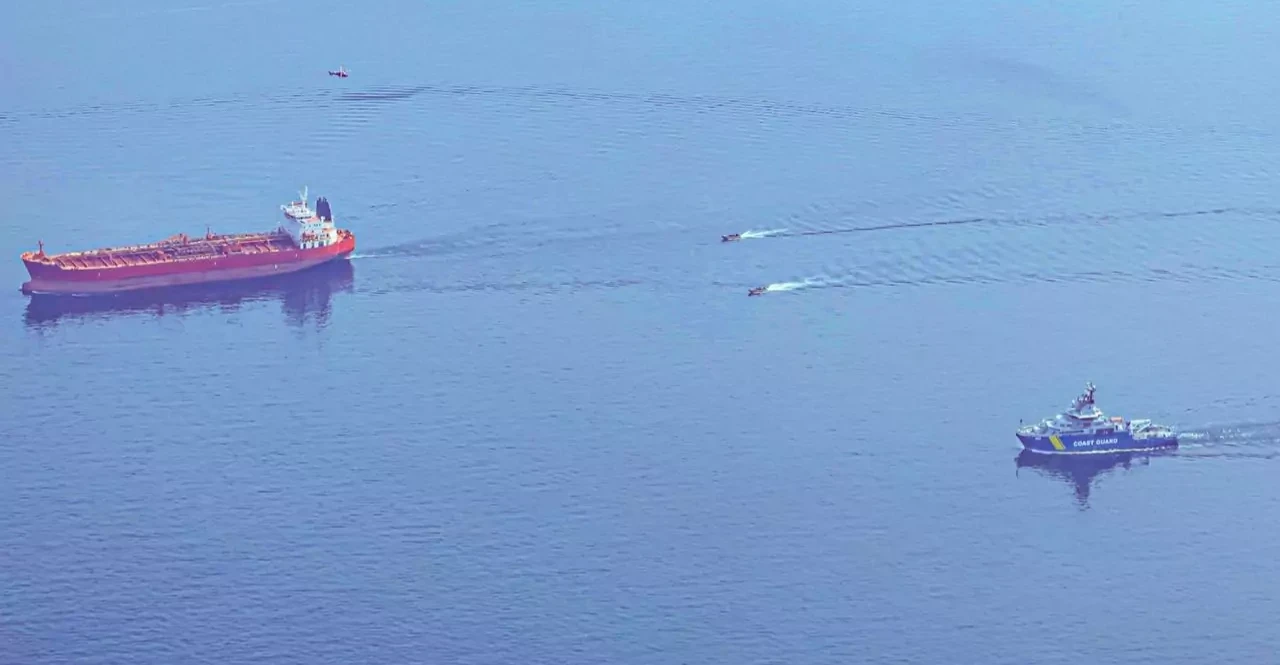
US strikes this week killed and wounded dozens of people, including Iranian civilians, in the fiercest clashes since July. Iranian forces attacked vessels in the Strait of Hormuz and fired missiles at Jordan, Kuwait and Bahrain, prompting Israeli Defence Minister Israel Katz to warn that Israel would "cripple" Iran's military and civilian infrastructure, including energy facilities, if Tehran attacked.
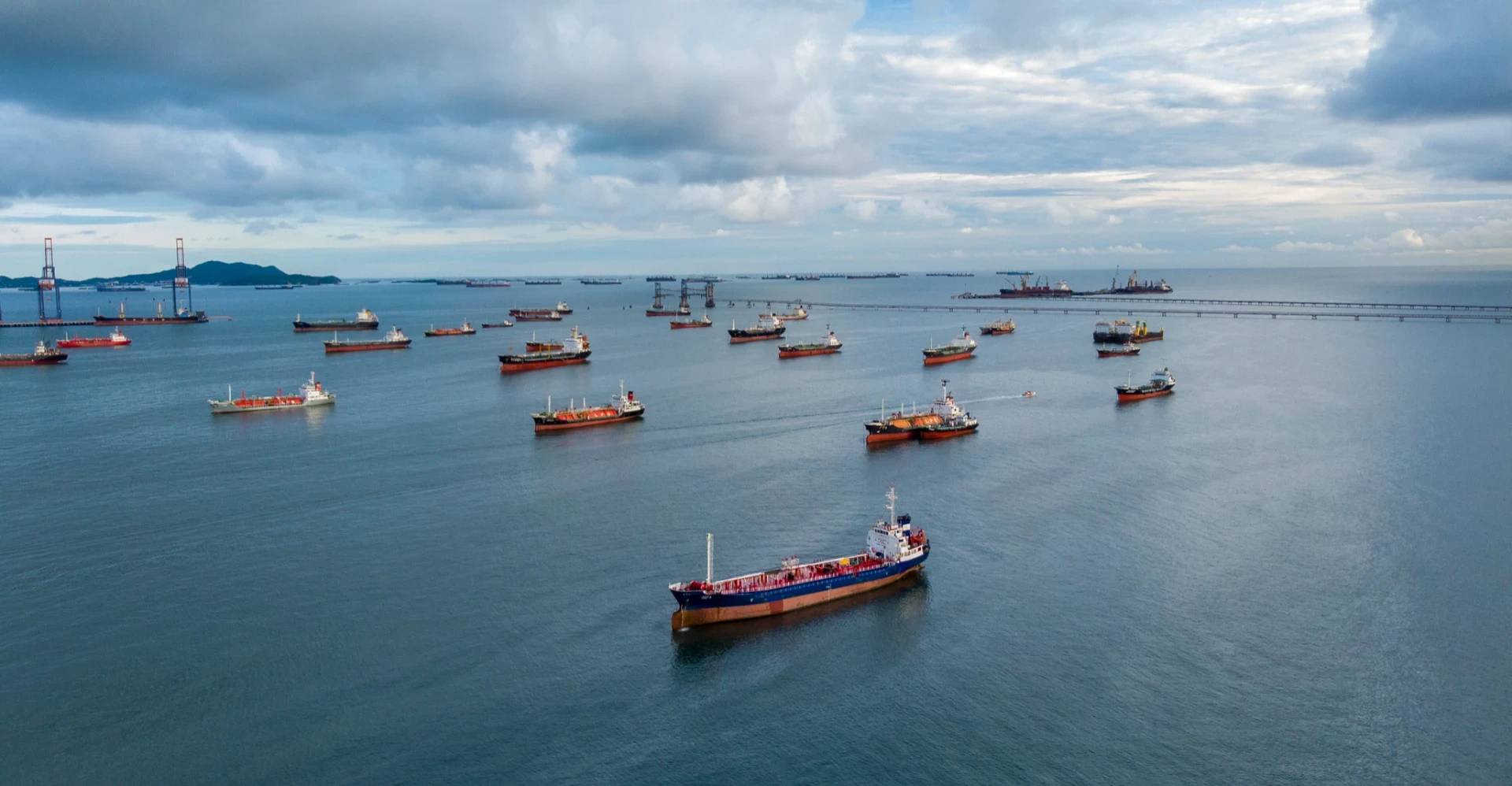
Preliminary shipping data showed only four commodity vessels transited the Hormuz strait on Thursday, well below the 10-day average of about 15. About a fifth of the world's oil and liquefied natural gas moved through the strait before the fighting. Washington said Middle Eastern flows had returned to near-normal levels, but analysts and tanker trackers said disruption remained severe.
Rising oil prices have pushed inflation and government borrowing costs higher worldwide. Average US diesel prices reached record highs as renewed hostilities and Ukrainian attacks on Russian refineries compounded supply disruptions, while European stockpiles of the fuel fell well below seasonal levels.
Iraq lifted August exports to about 2.34 million barrels per day from about 1.35 million in July, according to two Iraqi energy officials. Saudi Arabia left the price of its flagship crude to Asia unchanged for next month, against market expectations of an increase.
Citi raised its third-quarter Brent forecast to $86 a barrel from $80, citing delays in reopening the Hormuz strait. Brent is up almost 60 per cent this year.