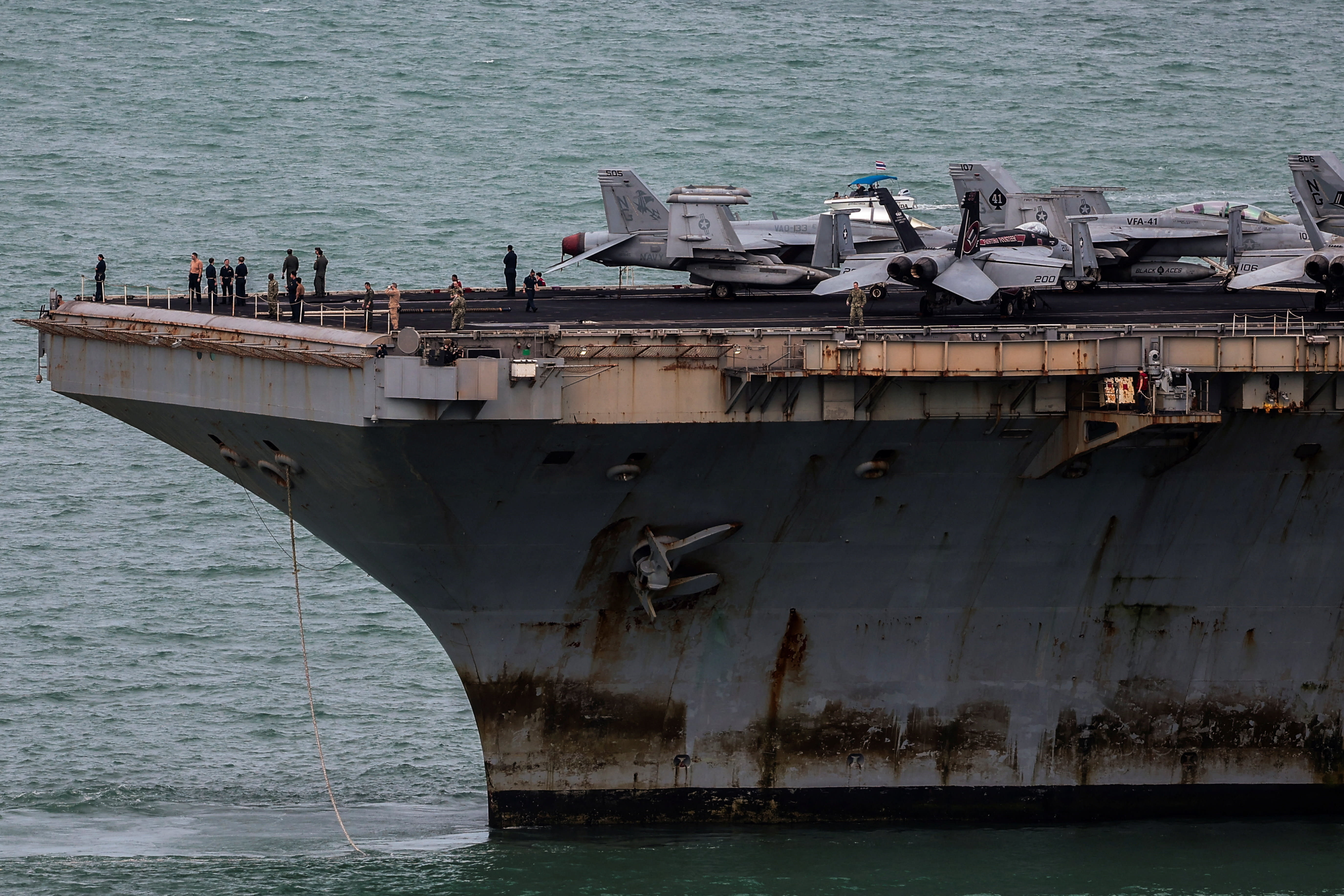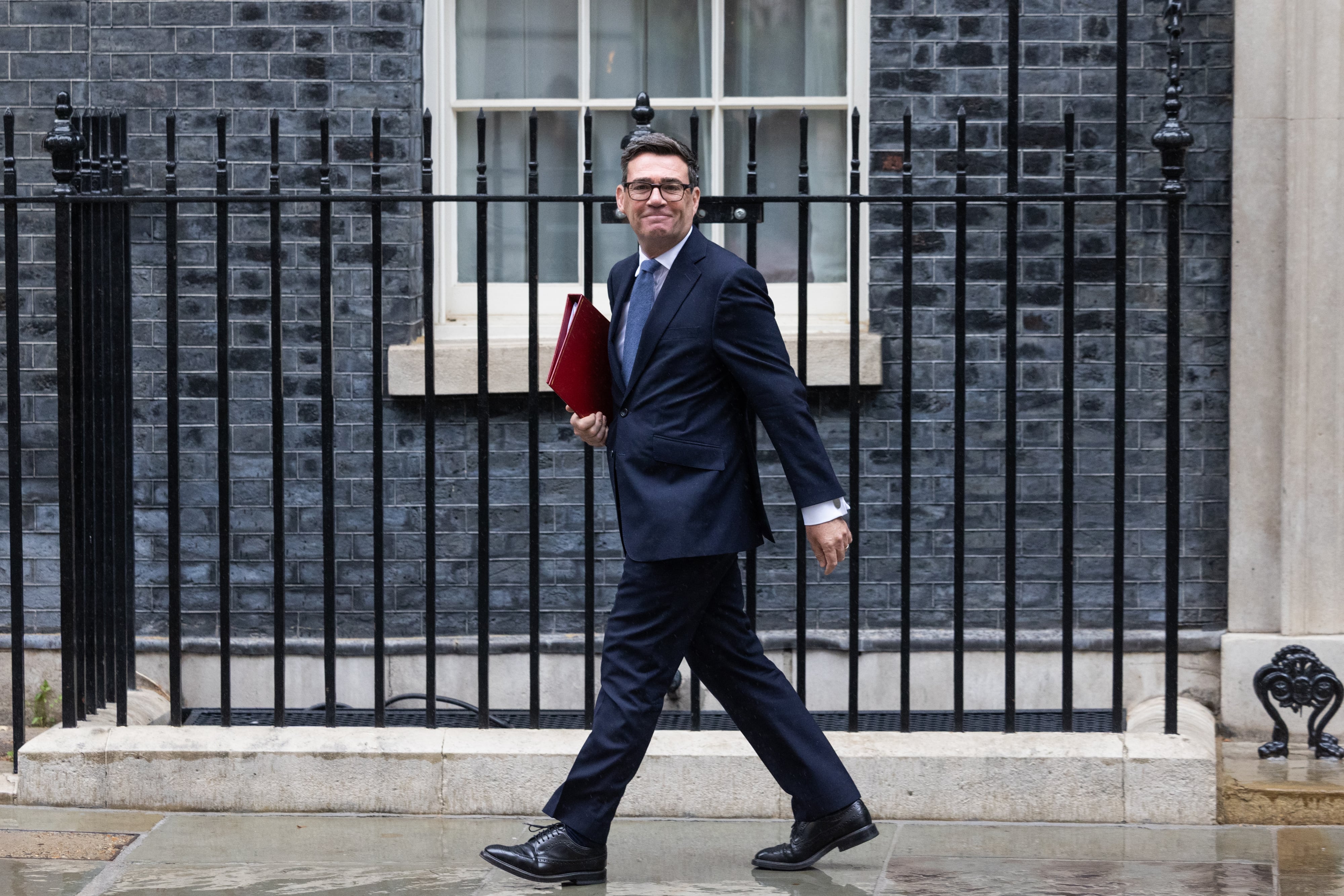
Prime Minister Andy Burnham faced sharp questioning over how he would pay for increased defence spending during his first Prime Minister's Questions in parliament. Defence committee chairman Tan Dhesi told him that "vibes alone will not be enough" on defence and pressed him to commit to spending 3 per cent of gross domestic product on the armed forces by 2030.
Mr Dhesi cited Russia as a rising threat, saying Britain faces a "significantly increased threat level, especially from Russia," and urged Mr Burnham to invest in the armed forces immediately rather than delay. Mr Burnham said he had already "made that commitment" to increased defence spending and support for Ukraine, and defended his appointment of former defence secretary John Healey as Chancellor as recognition of his defence credentials.
The pressure on Mr Burnham's defence plans was heightened by a new report from the Resolution Foundation estimating that meeting the government's pledge of 3.5 per cent of GDP on defence by 2035 would require about £28 billion extra a year. The foundation warned that Labour could not substantially increase defence spending without asking middle earners to contribute more in tax.
Conservative leader Kemi Badenoch pressed Mr Burnham on whether welfare spending cuts would free up money for defence and whether he would raise taxes. He declined to commit either way, telling her: "I'm not going to write the budget here."
Mr Burnham also noted progress in Anglo-French cooperation to prevent migrant crossings in the Channel, saying the number of small boats has reached a seven-year low. French President Emmanuel Macron is visiting London for talks on Ukraine, migration and the implications of tensions in the Middle East for shipping in the Strait of Hormuz. He was due to join Mr Burnham and King Charles III to view the Bayeux Tapestry at the British Museum, the first time the medieval artefact has been displayed in Britain.