About 50 officers and civilian staff members at the U.S. military's Joint Staff, which coordinates operations and war plans across global commands, underwent polygraph tests in August, according to the New York Times and sources familiar with the inquiry. Investigators questioned them about whether they had disclosed classified information to journalists and whether they had provided details about declining American ammunition stockpiles, including long-range missiles and interceptors for the Patriot air-defense system.
The polygraph tests followed news reports revealing shortages of critical ammunition supplies. According to sources who spoke to the Times, the testing was intended not only to identify potential leakers but also to deter future disclosures. Pentagon spokesman Sean Barnell said in a statement that the department "takes all leaks of classified national security information very seriously and conducts the necessary investigations into them."
The scope of the inquiry is unprecedented in recent military history. Retired Admiral Donald J. Gutter, who served as the Navy's top legal adviser from 2000 to 2002, told the Times: "I have never seen polygraph tests used on this scale or at this level of senior officials." The Joint Staff employs between 1,500 and 2,000 officers and officials.
Multiple news organizations have published reports on the ammunition shortages, and accounts of concerns within the Trump administration about the strategic direction of the conflict with Iran. President Donald Trump has pressed officials to intensify the search for leakers and described critical media coverage of the U.S. approach to the Iran war and the ammunition shortage as "treason."
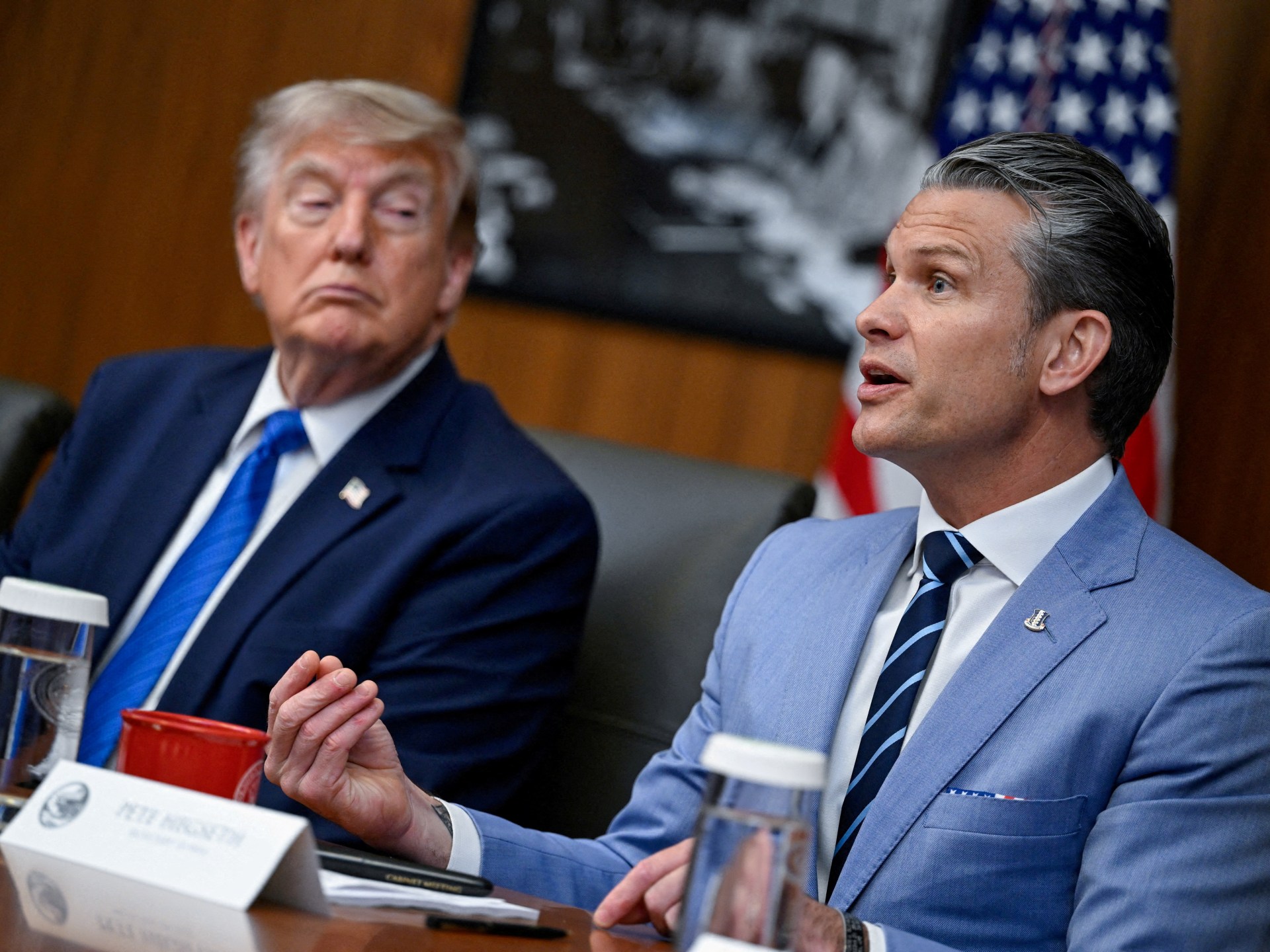
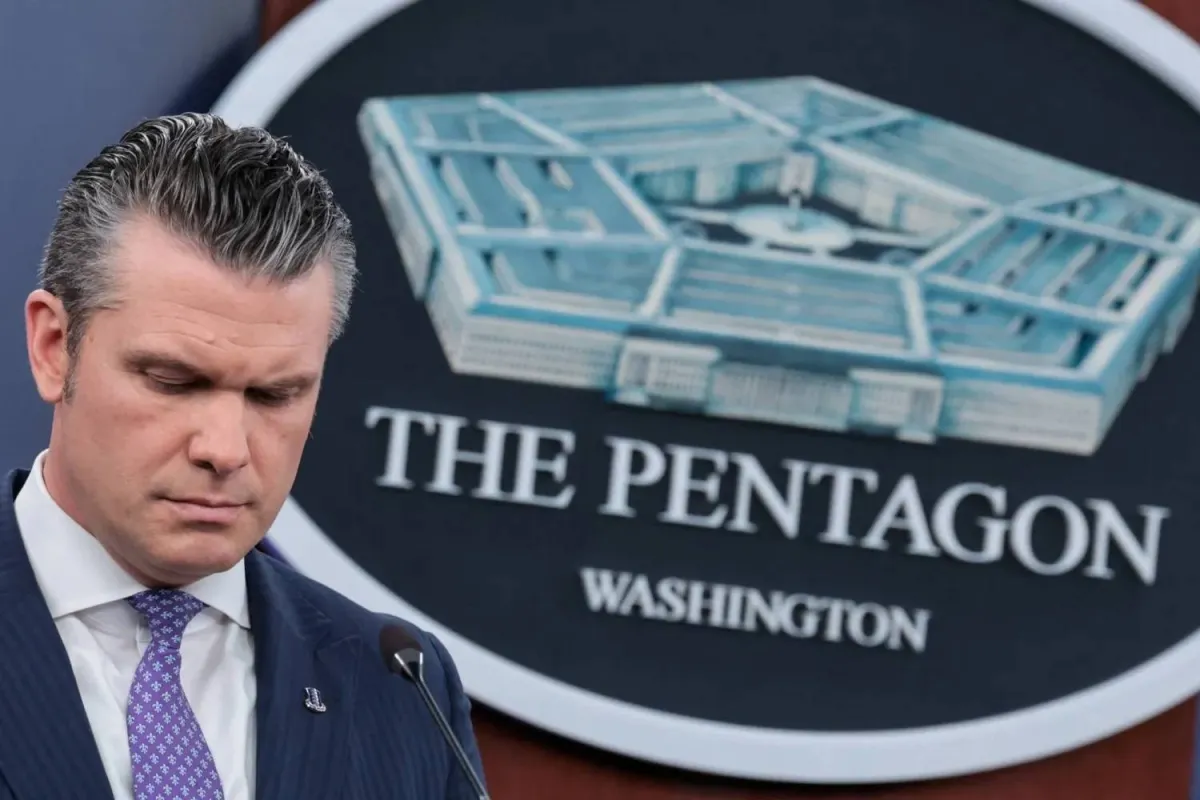
Defense Secretary Pete Hegseth, surrounded by a tight inner circle of loyalists, has removed or blocked promotions for at least 80 generals, admirals and other officials during his tenure, according to the Times. The Pentagon has conducted several leak investigations since early last year in response to coverage of his leadership; Hegseth himself faced criticism after sharing sensitive details about strikes in Yemen on the Signal messaging app last year.
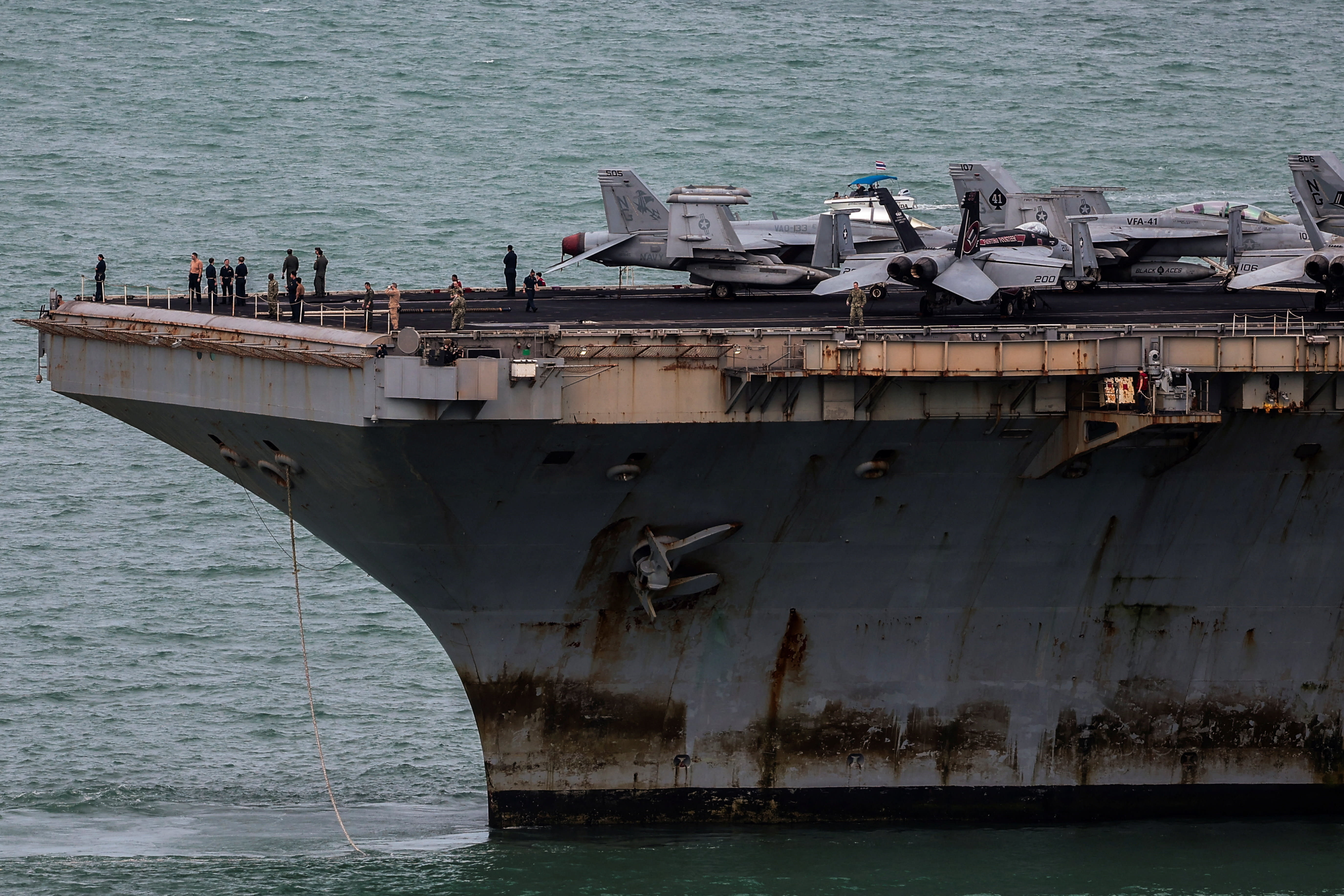
Last month, the Defense Department dismissed the publisher and editor-in-chief of Stars and Stripes, a government-funded publication covering U.S. military news. Journalists said the firing was retaliation for their coverage of deteriorating conditions aboard the aircraft carrier USS Abraham Lincoln. Hegseth has not held a Pentagon press briefing on the Iran war since May 5 and has sought to restrict journalist access to the building.