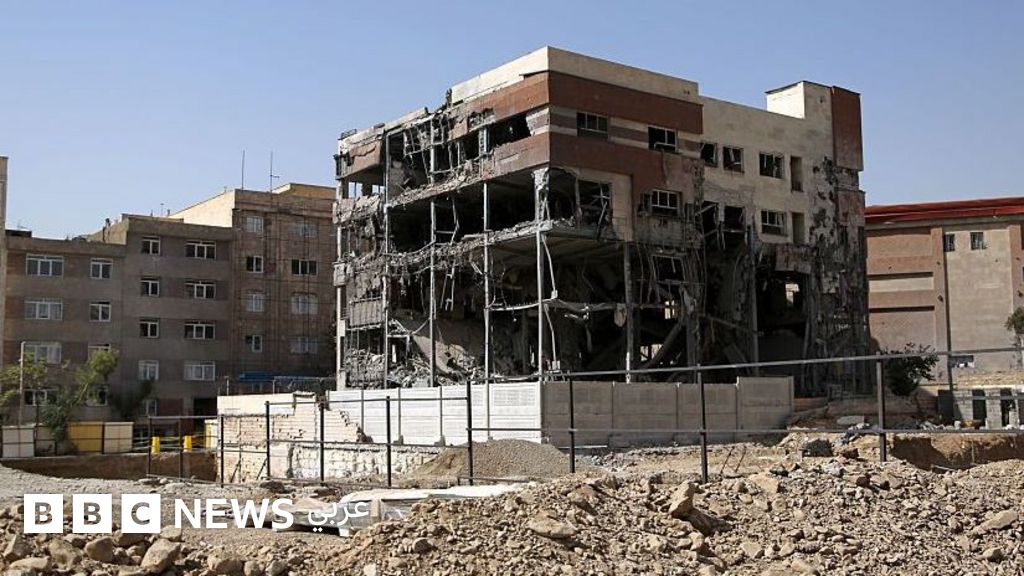
Four weapons experts told Reuters that photographs and video from the strike, verified by the news agency, showed a house that hosted a wedding in Kouhestak, a coastal town in Iran's Hormuzgan province, was hit directly by American munition rather than damaged by ricochet from another target. The U.S. military said it is investigating the incident.
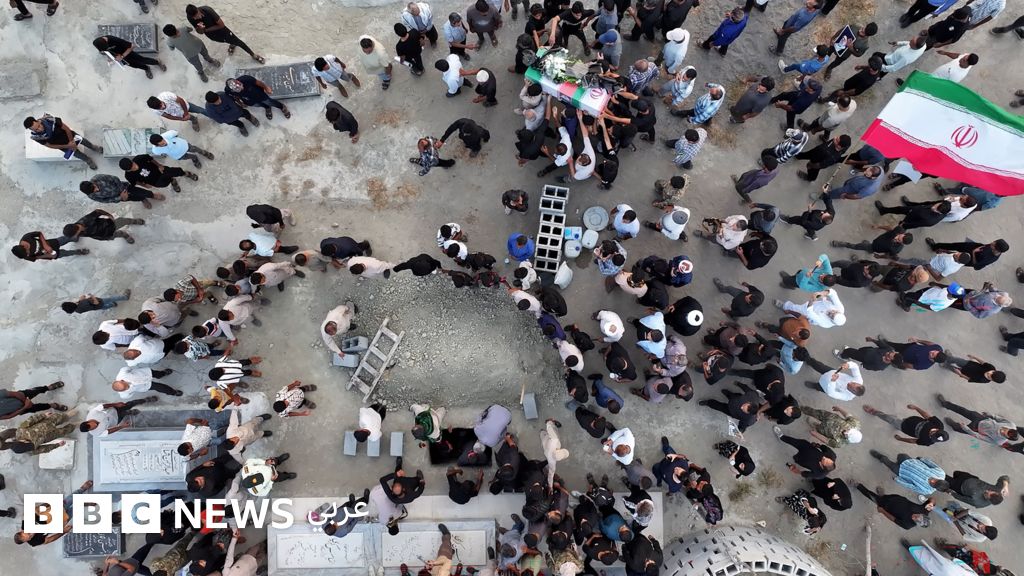
Iranian sources said four people were killed in the strike on Tuesday evening and at least 68 were wounded. Iran's state television reported Thursday that a 22-year-old woman died of her injuries in hospital, raising the announced death toll to five.
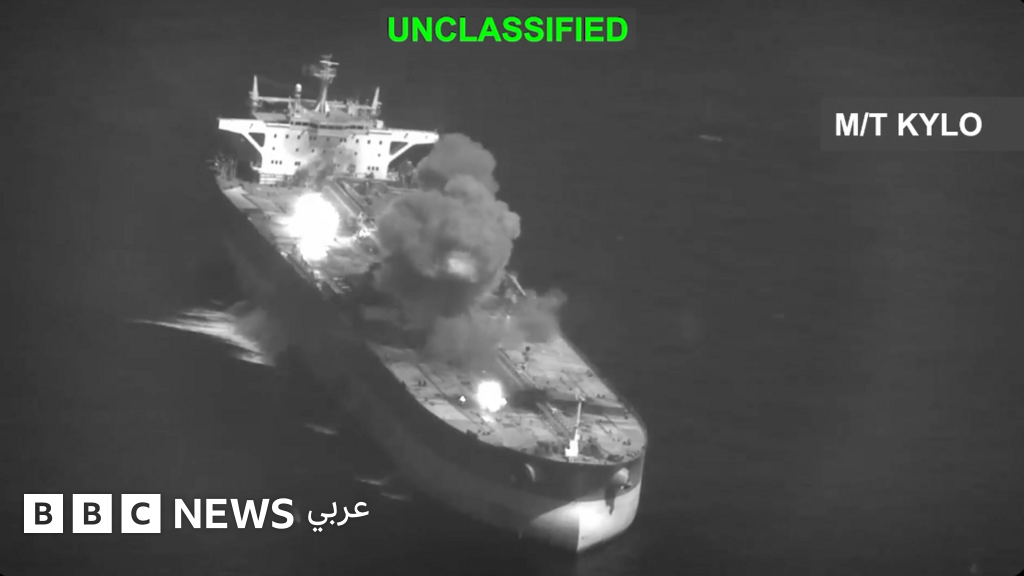
The strike came as part of a broader wave of American airstrikes on southern Iran that the U.S. Central Command said targeted air defense positions, radar systems and communications installations belonging to Iran's Revolutionary Guard, in response to Iranian attacks on American military assets and commercial shipping in the Gulf.
Gareth Collett, a retired British Army brigadier and explosives engineering specialist, said the evidence suggested the use of an American-made 500-pound air-dropped bomb. Trevor Paul, a weapons technical expert who previously served in the U.S. military, said the visible damage could not have resulted from shrapnel from a strike on a nearby communications tower. Iranian media showed munition remnants found in the area; Paul identified some as parts of a JSOW glide bomb used by the U.S. military, though Reuters could not verify that these pieces were collected from the wedding venue.
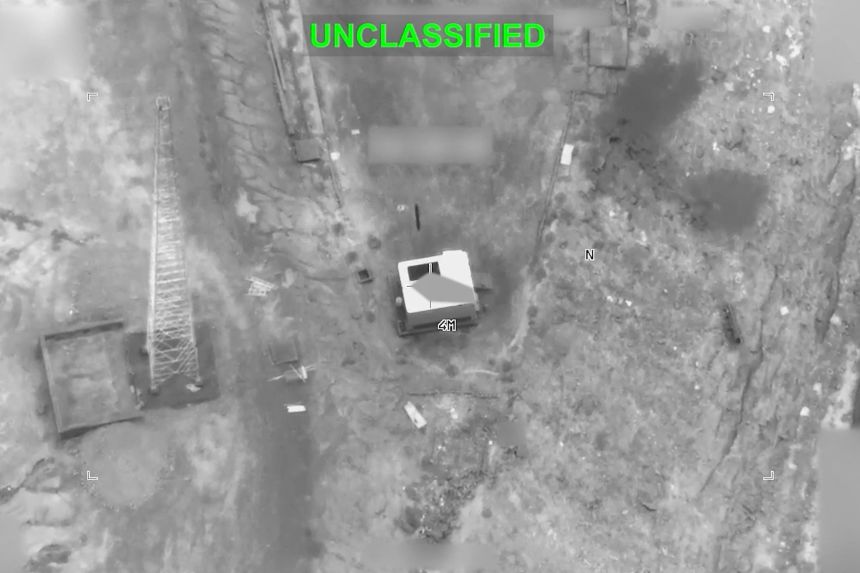
Two U.S. officials told Reuters that American forces carried out strikes in the Kouhestak area on September 1 and that a communications tower in the town was among the targets. The tower, about 135 meters from the wedding venue according to satellite imagery, was struck around 9:30 p.m. local time, Iranian media reported. One U.S. official said the American government was examining multiple explanations for the casualties, including an American strike, a misdirected Iranian air defense missile or an interceptor rocket that veered off course.
Iranian communications authorities said the tower was a civilian facility providing mobile phone, landline and internet services to residents of Sistan and Baluchestan province. Vice President JD Vance said Thursday that the United States wanted to know what happened and that the American military learns from its mistakes if they occur, while expressing skepticism of Iranian reports and saying Iranian state media had not been a reliable source on events during the conflict.