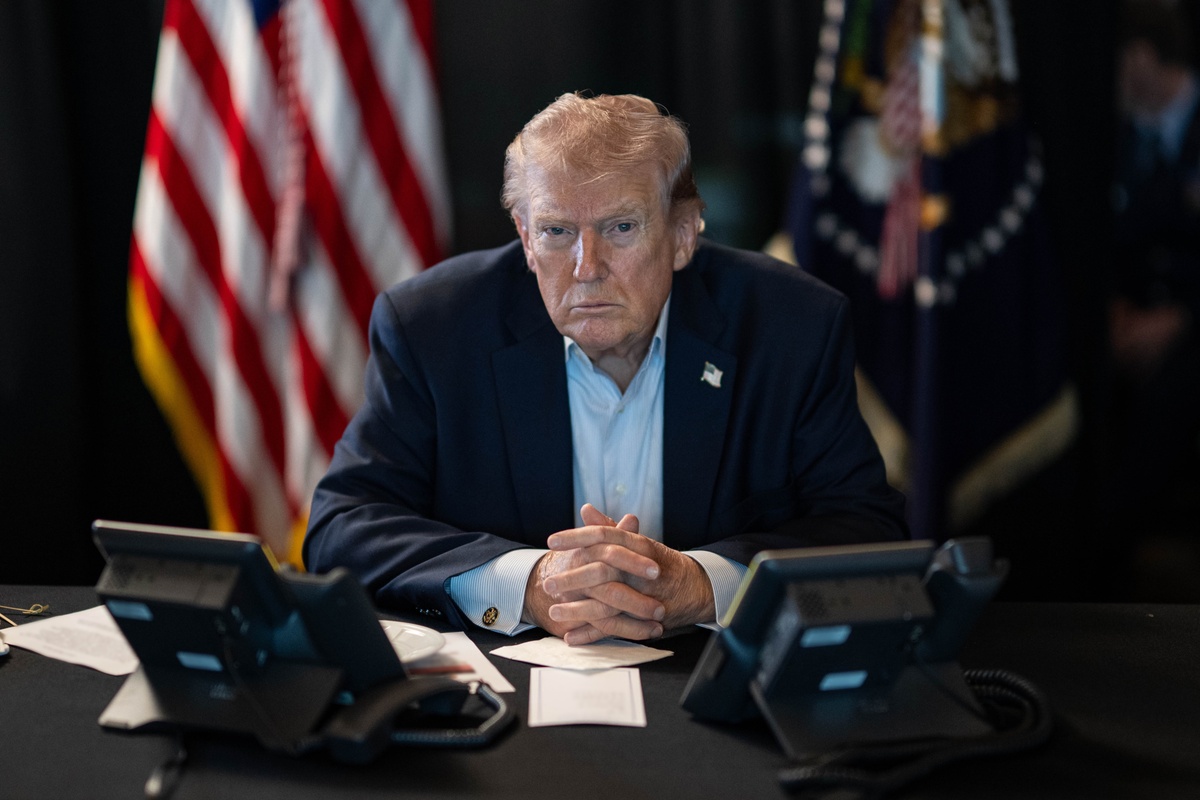
U.S. Treasury Secretary Scott Bessent announced Operation Economic Outcast on August 24, targeting more than 60 Iranian entities in the first round. Bank Melli, the Iranian state's largest bank, was singled out: Bessent said every foreign branch "must be shuttered and dark."
Melli Bank plc, the London subsidiary, is a separately registered British company with its own banking license, supervised by the same regulators that oversee Barclays and HSBC. Every share belongs to Bank Melli Iran, which is owned by the Iranian state. The bank's audited 2025 accounts, filed with the UK corporate registry in June, show it existed primarily to finance trade between Iran and Europe, earning about 92 percent of its revenue in euros.
Britain had already sanctioned Melli Bank plc in September 2025 under its Iran nuclear sanctions regime, but the designation did not automatically revoke its banking license. The bank remains registered, though it has been forbidden from writing new loans or taking new customers since the sanctions took effect on September 28. A general license from the UK Treasury, issued weeks after the designation, permits only four categories of payment: staff wages and severance, pensions, IT bills, and accounting fees.
The bank's financial stress is visible in its accounts. Its auditor warned of "material uncertainty" over whether it can continue as a going concern. Staff in Hong Kong left in January when a payment license for their salaries failed to arrive. Layoffs began in London in December, and four of seven board members have departed in little over a year.
On August 25, a day after Bessent's announcement, British Chancellor John Healey welcomed Operation Economic Outcast and pledged to work with Washington on economic pressure against Iran. Britain sanctioned Melli Bank plc on nuclear grounds separate from the money-laundering allegations Bessent cited. Shuttering the bank would require separate action from the British government, which alone holds that power.