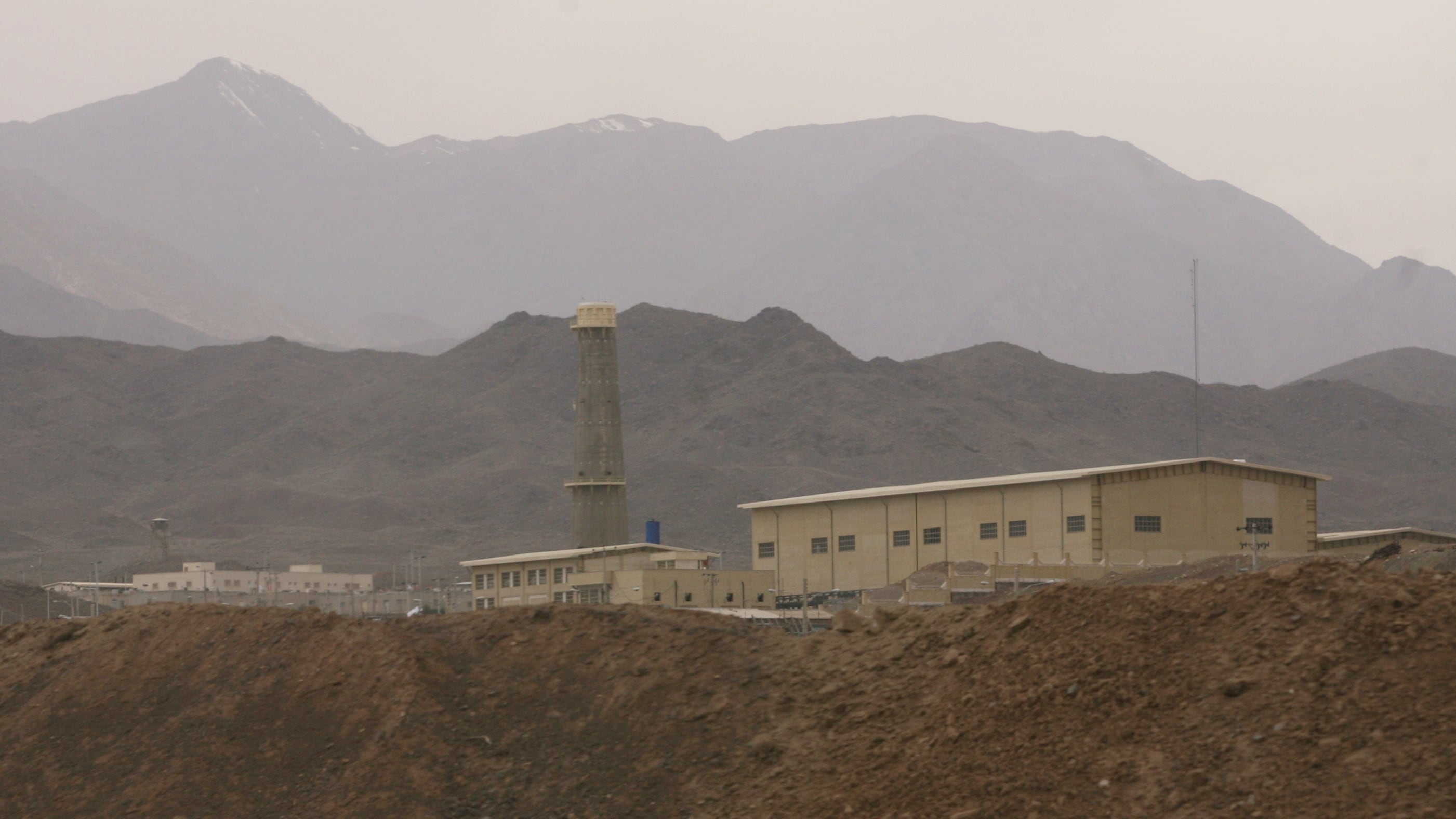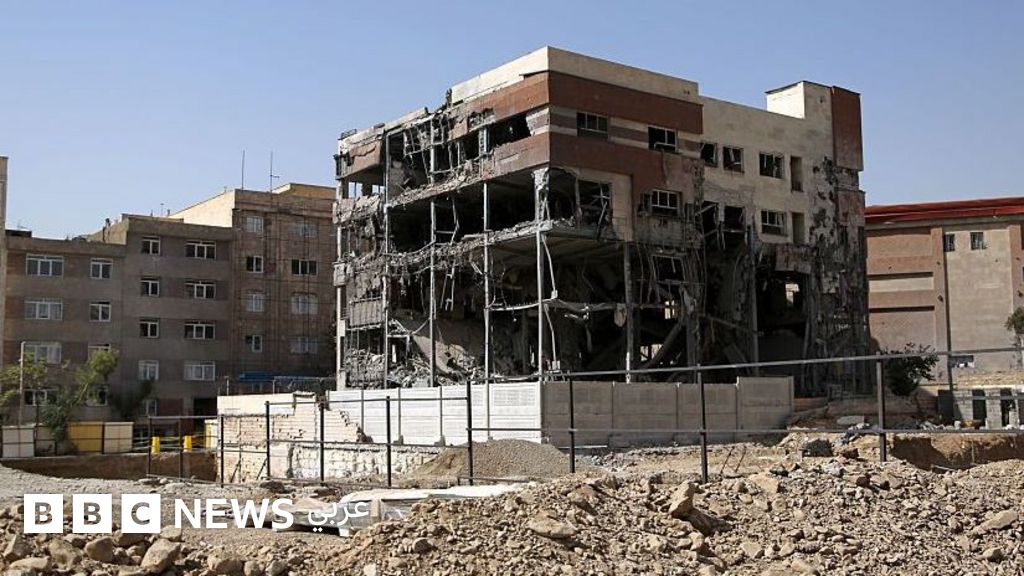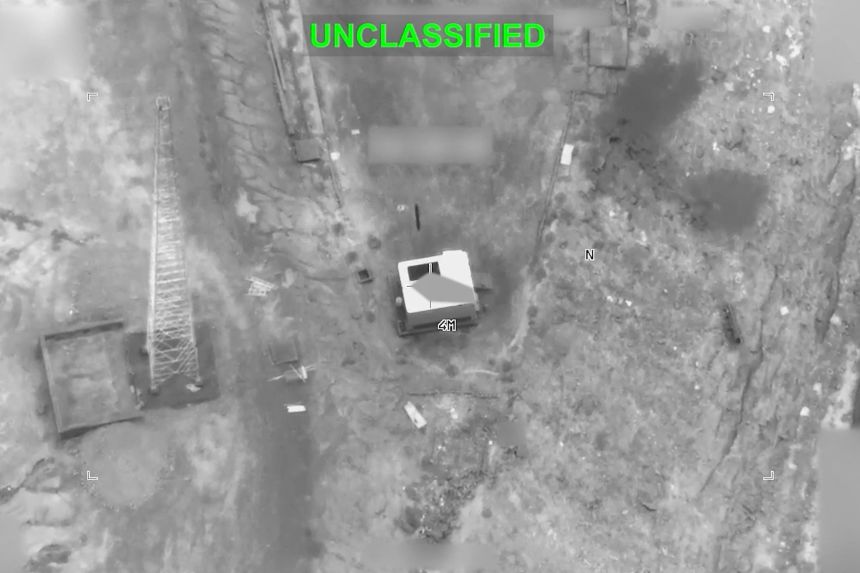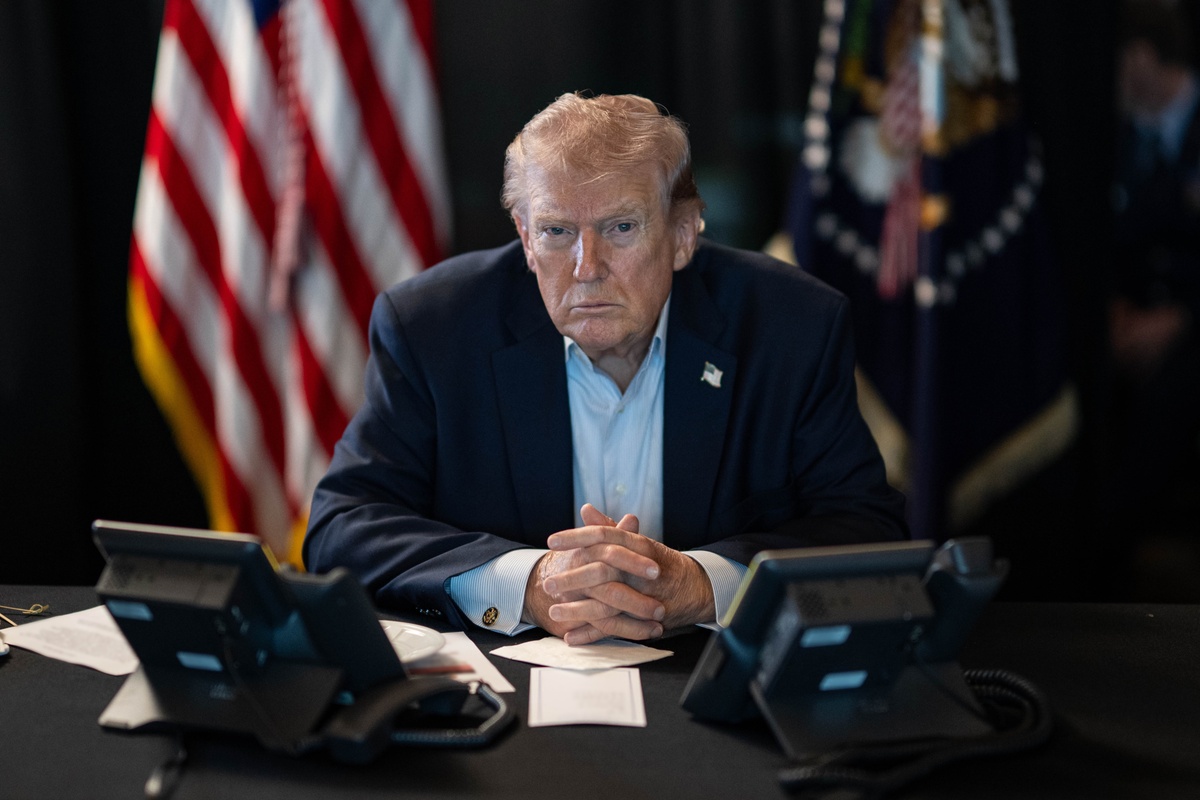
The United States and Iran traded military strikes this week as the November midterm elections loom over the conflict. Senior advisers to President Donald Trump are seeking to prevent the fighting from escalating to all-out war before Republicans defend narrow majorities in both houses of Congress.
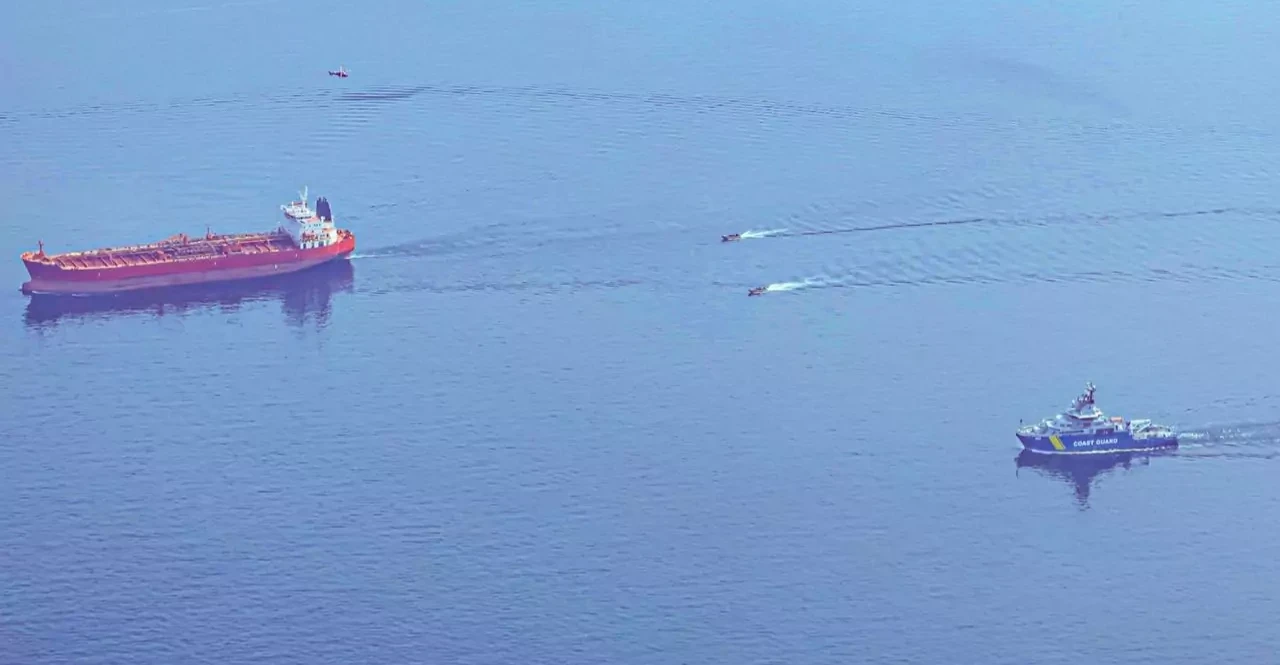
The administration has shifted to economic pressure, announcing sanctions on 60 entities in August that it said facilitate Iranian oil revenues, with threats of secondary sanctions against countries trading with Tehran. The US naval blockade of Iranian ports around the Strait of Hormuz continues to restrict Tehran's oil exports.
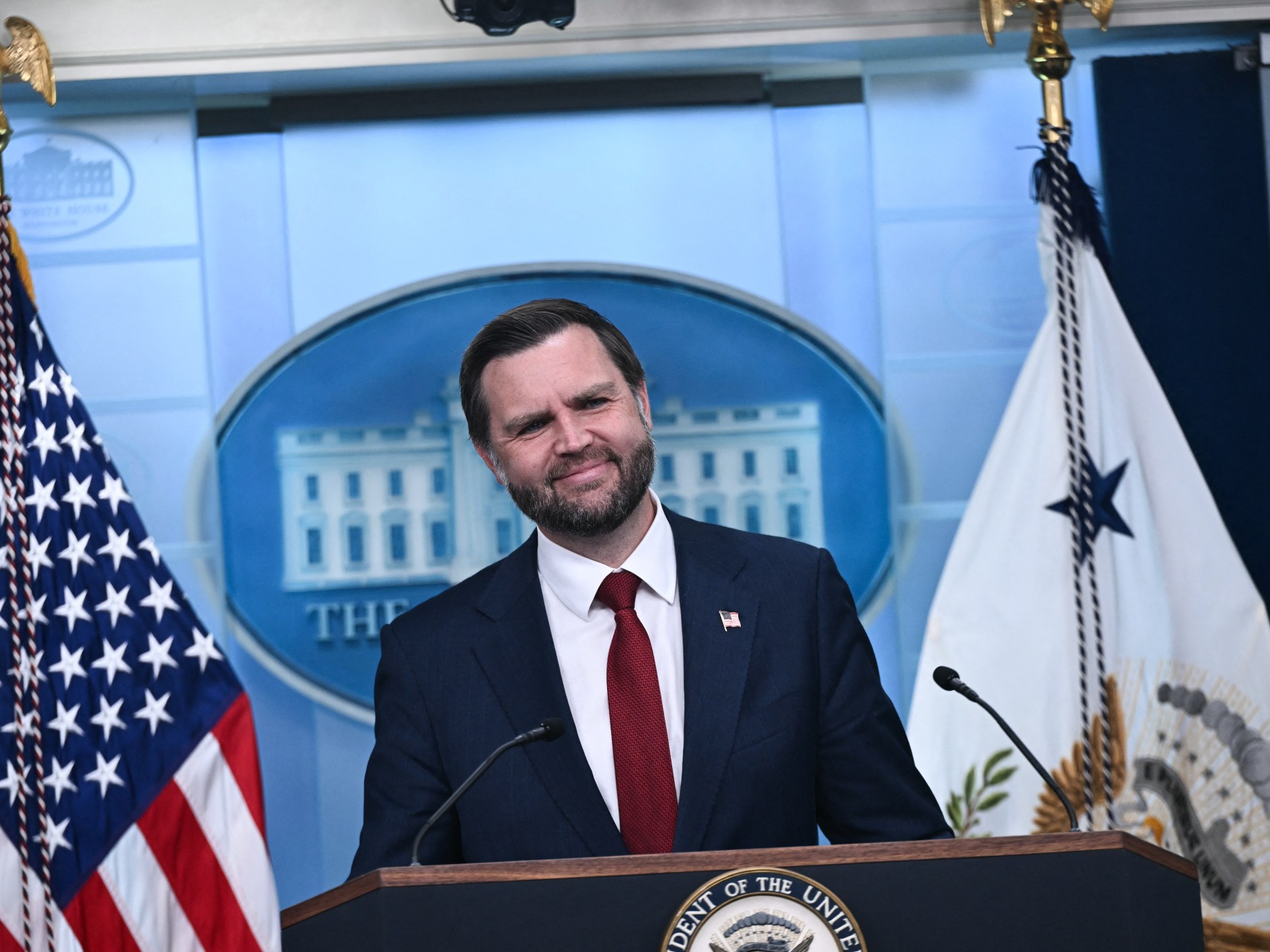
Vice President JD Vance said this week that "everything that could happen is on the table," including economic, military, diplomatic and covert pressure. At the same time, Vance sought to downplay the conflict, saying he would not "call it a war" and claimed there was "no active shooting right now."
A Reuters/Ipsos poll from late August found that 31 percent of Americans support the war, compared with 63 percent who oppose it. Trump's approval rating fell to 33 percent from 40 percent since fighting began, according to the same polling. US diesel prices hit a record high on Thursday as crude oil prices and refining constraints rose.
Analysts warned that the strategy of sporadic attacks risks miscalculation. Negar Mortazavi, a senior fellow at the Washington-based Center for International Policy, told Al Jazeera this week that Tehran would not capitulate under economic pressure and that each new exchange increases the risk of wider regional conflict.
The Washington Post reported on Sunday that senior Army, Navy and Air Force leaders warned Pentagon chief Pete Hegseth in writing that continuing the war at current pace is unsustainable and risks undermining US military readiness elsewhere.