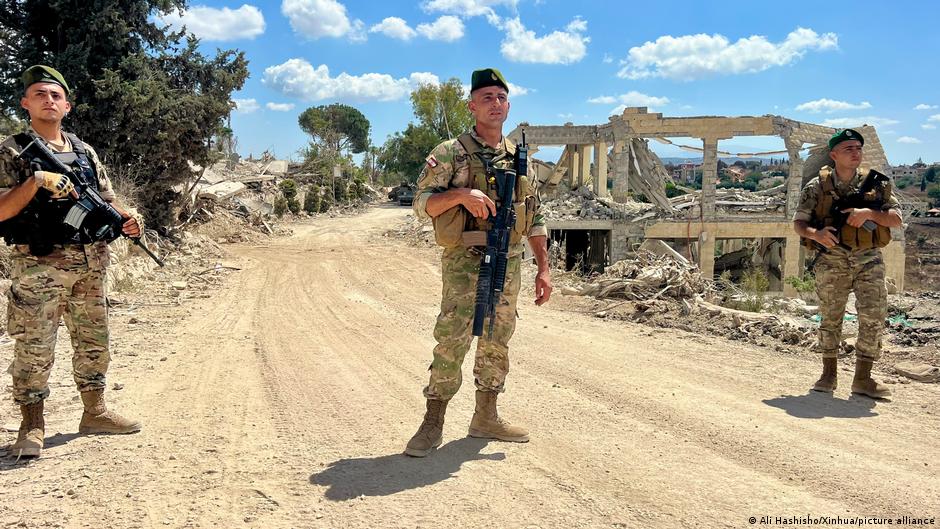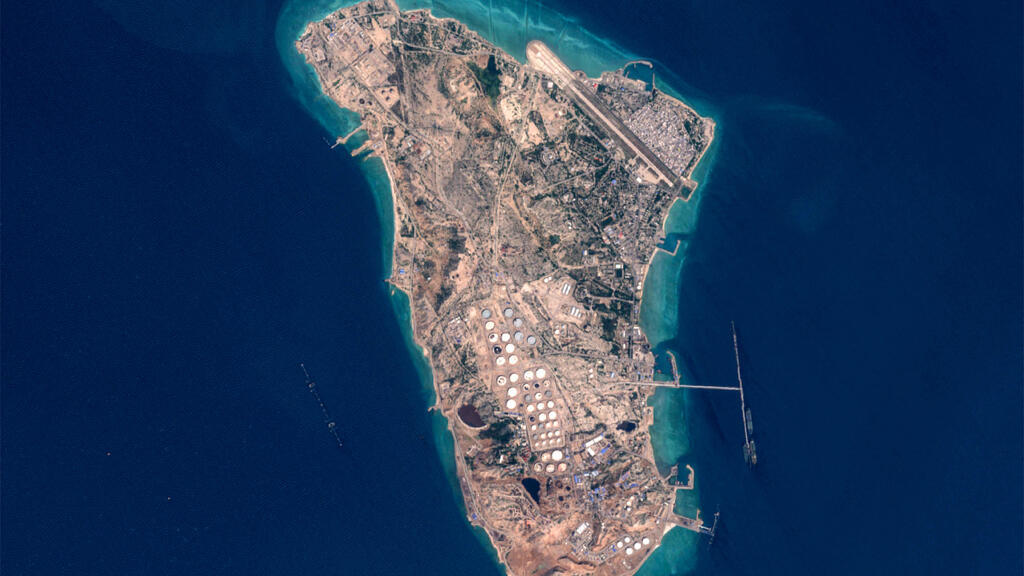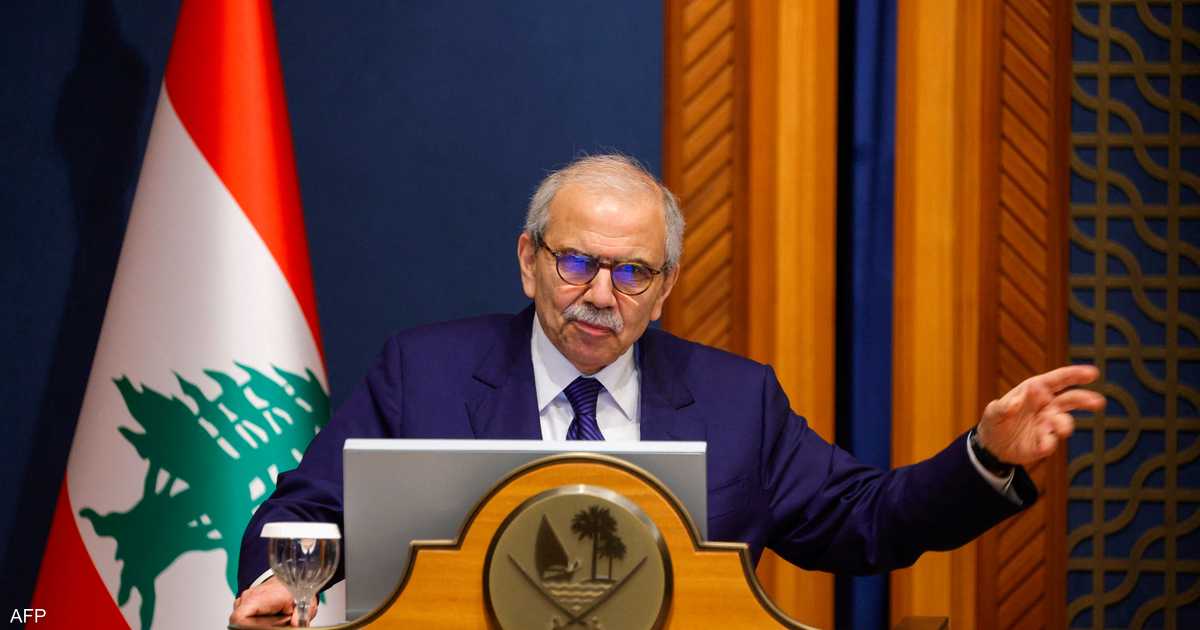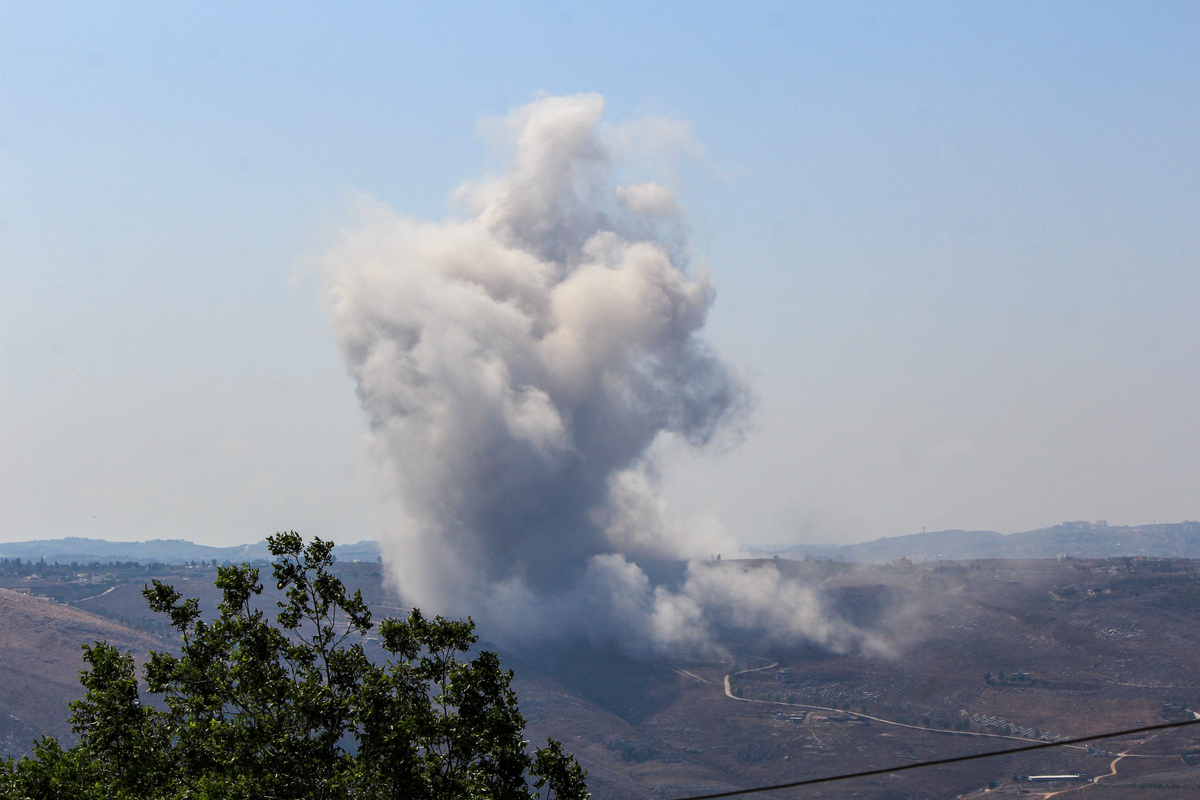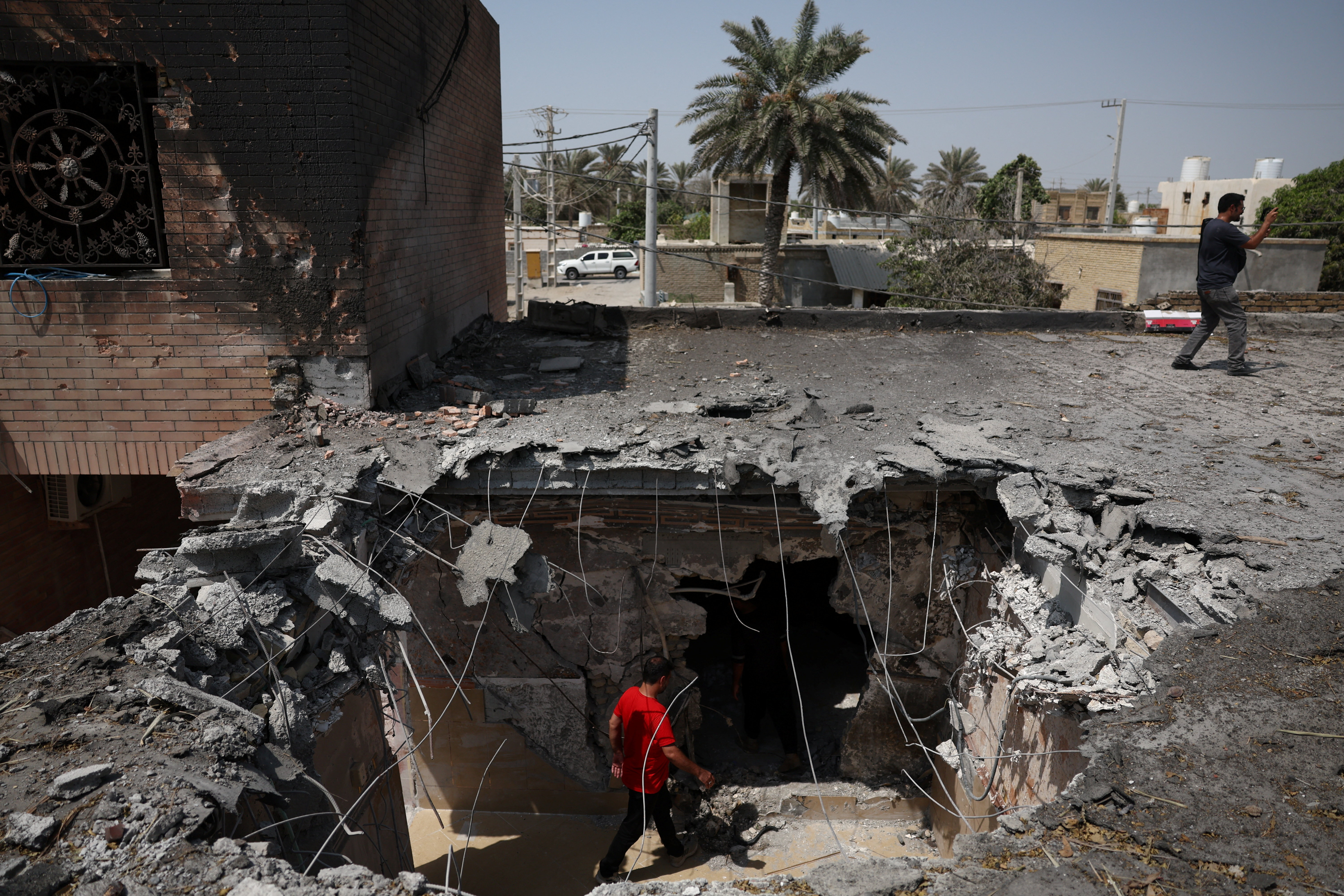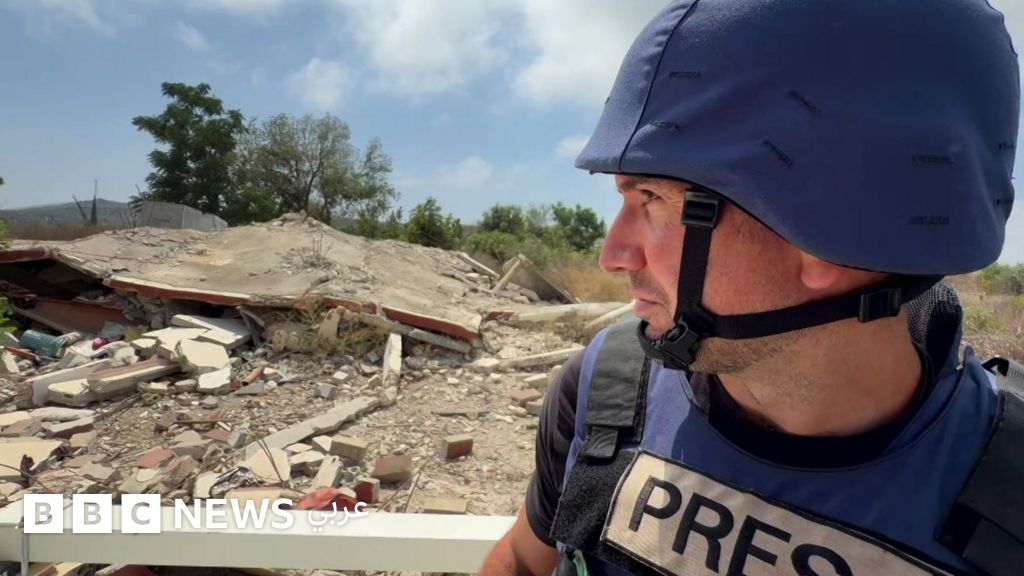
A BBC team joined a humanitarian mission operated by UNIFIL, the United Nations peacekeeping force in Lebanon, last month to visit areas under Israeli control in the country's south. The Israeli military controls approximately 5 percent of Lebanese territory, extending into some areas up to 10 kilometers from the border.
Israeli Defense Minister Yisrael Katz said during a visit to occupied southern Lebanon last month that he had instructed the army to "take all necessary steps in preparation for a long-term presence in the region." According to UNIFIL spokeswoman Candace Ardell, the Israeli military has established four new bases in areas it has seized, raising the total number of such positions to nine.
The BBC team observed Israeli service roads built since the invasion, intensive movement of Israeli soldiers, residential buildings in use, and protective netting over some structures against Hezbollah drones. Ardell said UNIFIL had witnessed "reinforcement and fortification of Israeli positions, construction of protective infrastructure, and other engineering works" over recent months and had observed what appeared to be Israeli civilians carrying out demolition and engineering activities in support of military operations.
Human rights organizations have said some Israeli actions in southern Lebanon amount to deliberate destruction of civilian infrastructure, which could constitute a war crime. The Israeli military responded to questions stating that destroyed buildings had been used by Hezbollah for military purposes and that it operates in accordance with international law, but did not answer specific questions about its activities in occupied areas.
A Lebanese intelligence official told the BBC the military had recorded over 5,000 violations of the ceasefire by Israel since an agreement in June, including airstrikes, drone attacks, artillery fire, and near-daily incursions of Israeli soldiers into Lebanese territory outside the occupied zone. Israeli officials have linked any withdrawal from Lebanon to the disarmament of Hezbollah, which the Lebanese government cannot achieve without the group's consent.
Hezbollah's leader Naim Qassem described disarmament discussions last week as "surrender with humiliation" and said any talk of its weapons must come only after a complete Israeli withdrawal. A European diplomat familiar with the situation said the "pilot zones" framework for Israeli pullback and Hezbollah disarmament appeared to have stalled, with Israeli parliamentary elections scheduled for late October.