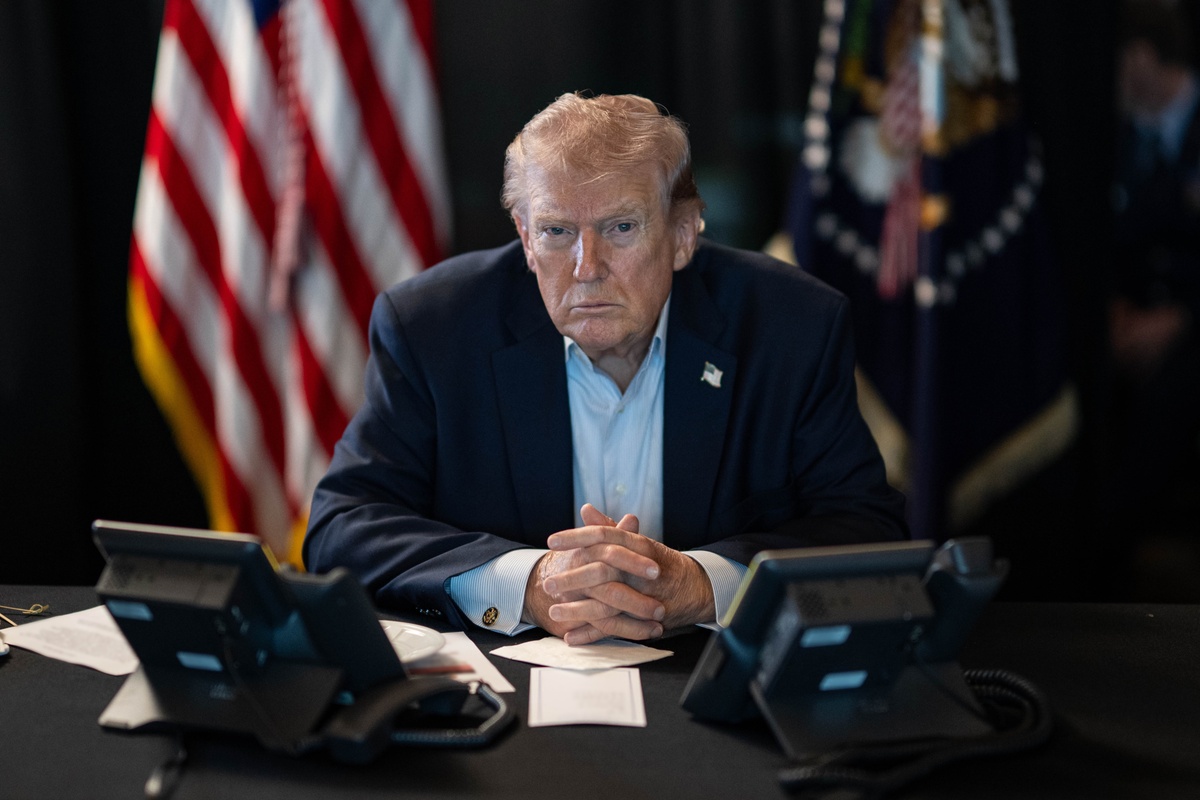
President Trump has repeatedly urged Iranians to challenge their government and take to the streets, most recently asking why they have not launched another uprising. Yet responses from some Iranians suggest uncertainty about heeding those calls, rooted in eight months of fluctuating US policy toward Tehran.
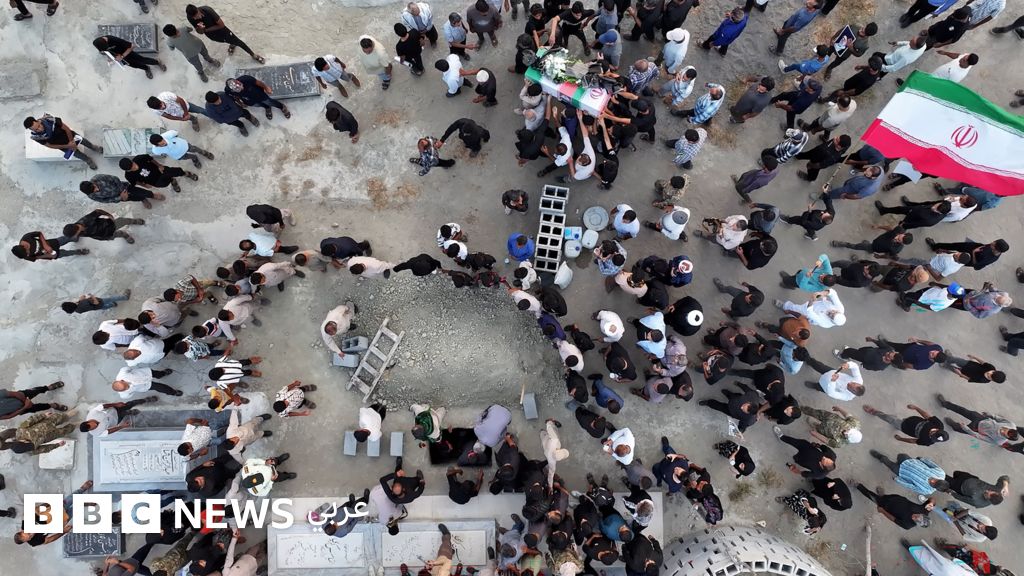
Trump encouraged anti-government protesters in January, telling them to "take over your institutions" and promising "help is on its way" even as security forces killed more than 36,500 people during a crackdown on January 8-9, according to classified government documents reviewed by Iran International. He also warned Tehran against executing detained protesters, later claiming his intervention had stopped over 800 planned executions—a claim Iran's prosecutor general denied.
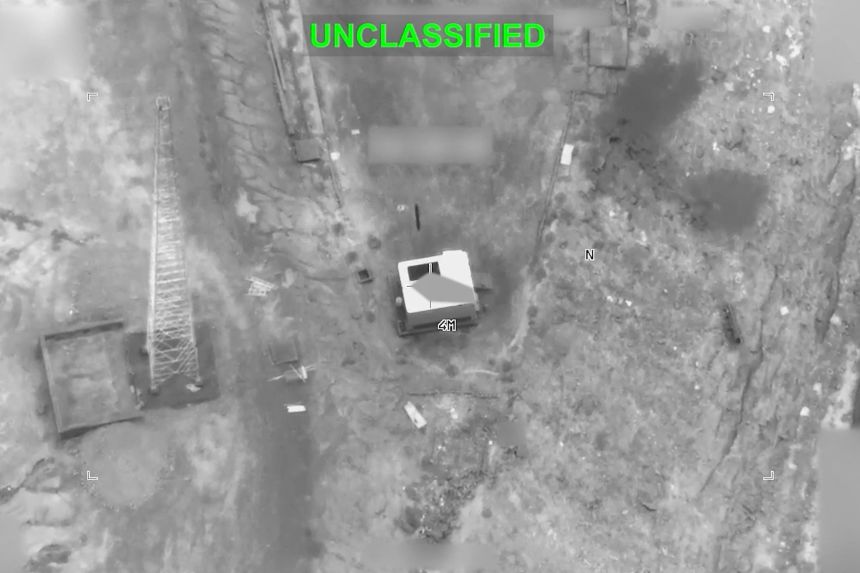
In February, the United States and Israel launched military operations against Iran. Trump again addressed the Iranian public directly, urging them to "take over your government" once military operations ended. But months of war gave way to negotiations and the Islamabad Memorandum, a security and geopolitical agreement that did not address the political rights of Iranians or government repression of protesters.
During a 12-day Israel-Iran war in June 2025, Trump prevented Supreme Leader Ali Khamenei from being assassinated, Trump later confirmed on Truth Social on June 27, 2025. That decision illustrated what Trump's critics argue is a distinction between his rhetoric about regime change and the constraints Washington may impose on its military and diplomatic decisions.
Trump rejected Tehran's call for a return to the Islamabad Memorandum, saying an agreement with Iran was not "worth the paper it's written on." He has continued imposing economic and military pressure on the Islamic Republic. But Iran International viewers raised a question about the risks of heeding Trump's calls: if they returned to the streets, could they be certain Washington would maintain its support?