Iran attacked Kuwait on Thursday, announcing it targeted "American interests" following the most intense round of exchanges between Washington and Tehran since July. The Kuwaiti military said Thursday morning that its air defenses were intercepting incoming missiles and drones from Iranian forces.
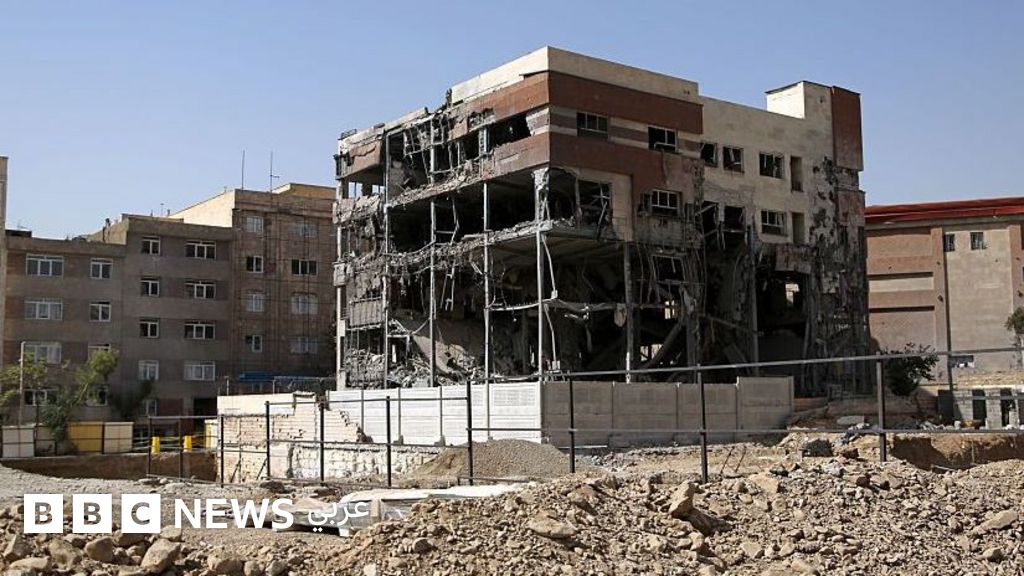
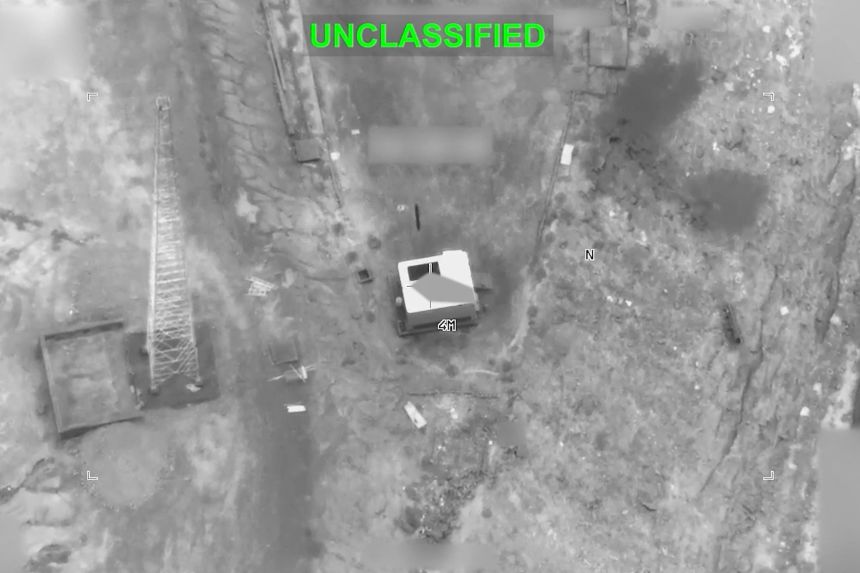
Iran's state television said Tehran was attacking U.S. military bases in Kuwait with missiles and drones in response to what it called "American crimes against the Iranian people." The U.S. military launched strikes on Sunday and Tuesday evening, with American bombing on Tuesday killing 19 people including four members of the Islamic Revolutionary Guard Corps and four Basij militia fighters, according to Iranian reports.
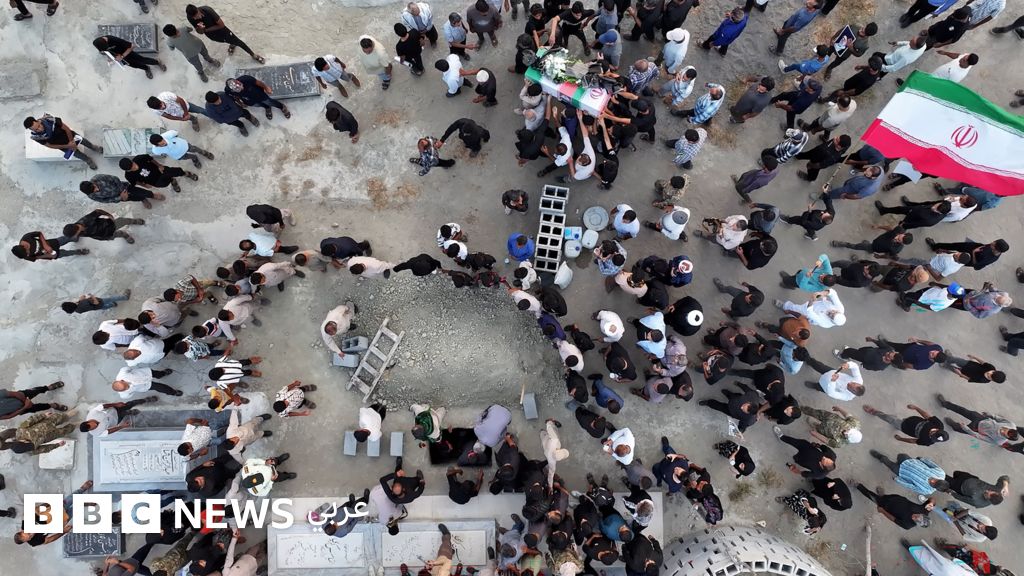
American strikes also hit a wedding in Sirik county in southeastern Iran on Tuesday, killing four people and wounding around 70, according to Iranian media. Iran's Foreign Ministry said the strike on the wedding amounted to a "war crime," with ministry spokesman Ismail Baghaei writing on X that the United States had "brutally bombed a wedding party" in the context of its "failed war" against the Islamic Republic. The U.S. military did not comment on the wedding strike but said it does not target civilians, unlike the Revolutionary Guard Corps.
The Iranian attacks on Kuwait are part of a broader escalation against American allies in the region. On Wednesday, the Revolutionary Guard announced it had struck American positions in Jordan, Iraq, Bahrain and Kuwait and launched a "combined attack with missiles and drones on American bases in Erbil." Iranian armed forces said "dozens of attack drones" targeted radar systems and American positions at bases in the United Arab Emirates and Bahrain.
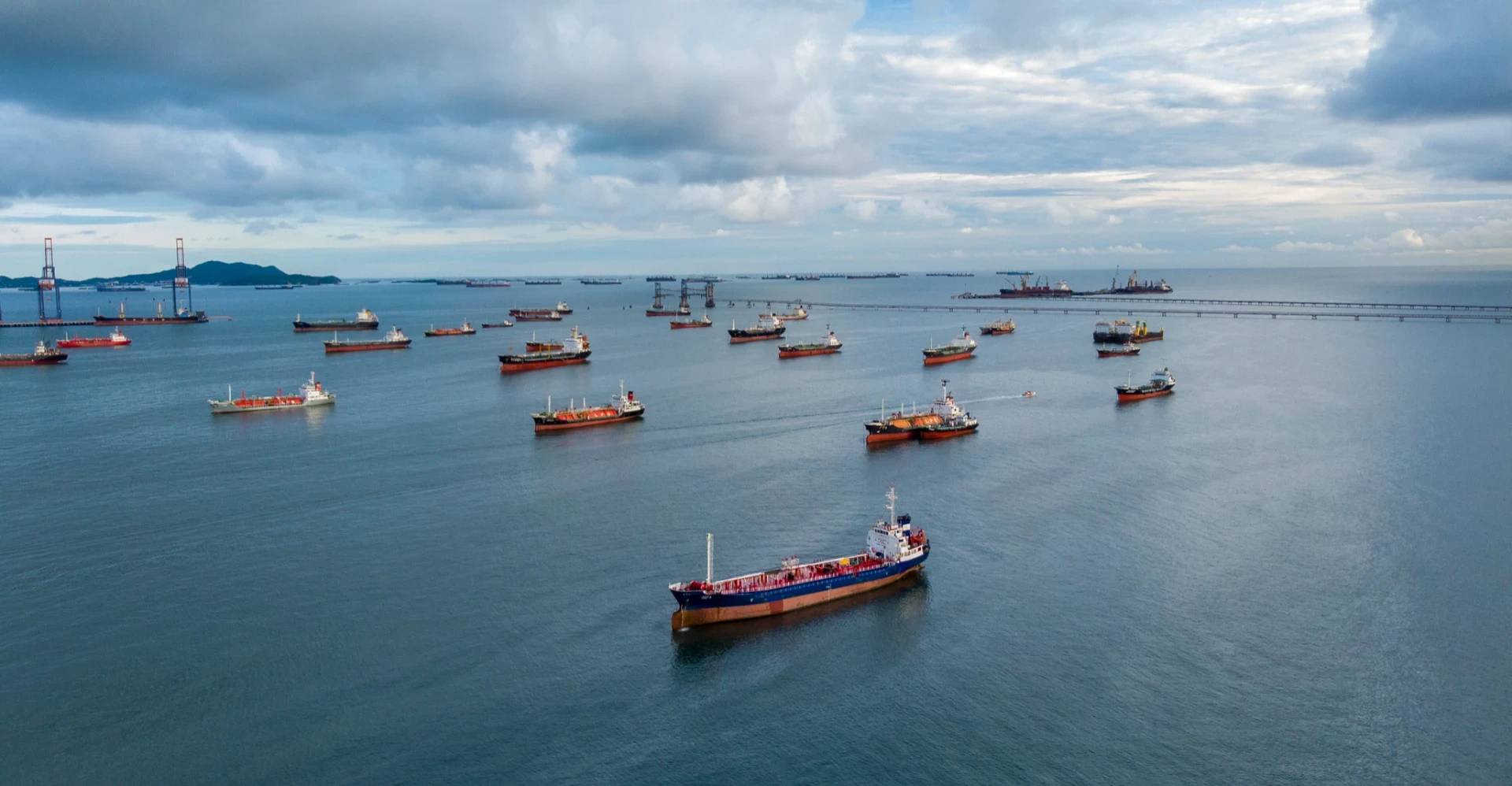
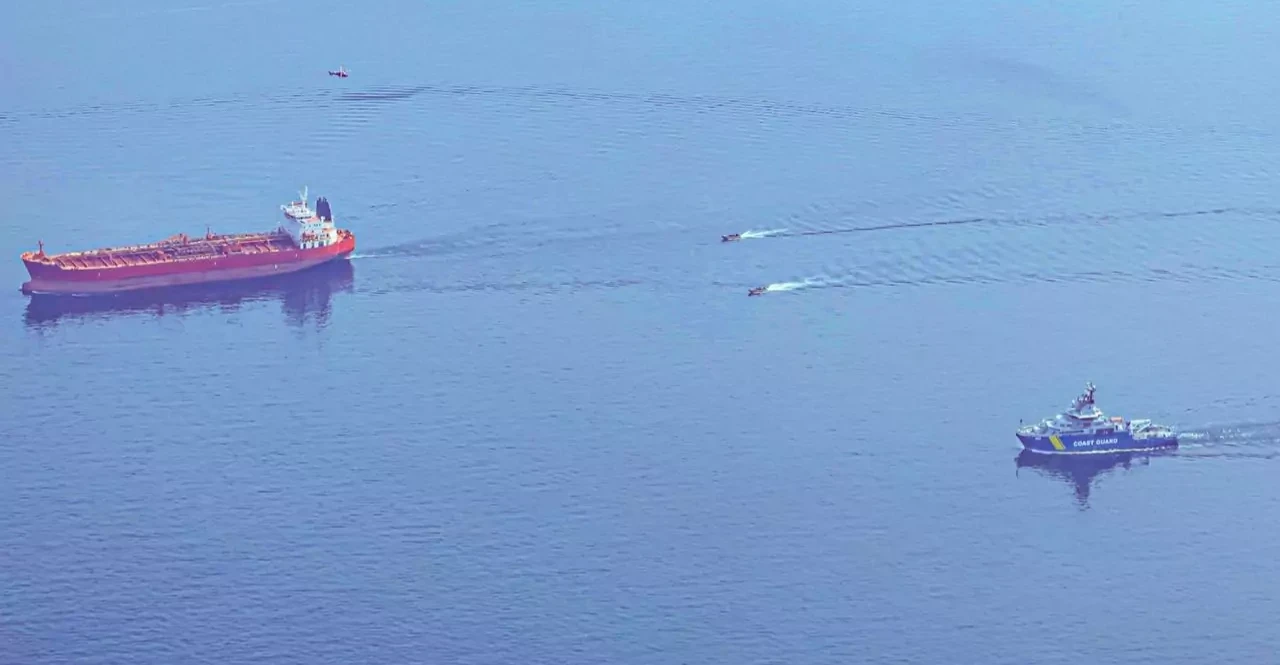
The Jordanian military said it intercepted 13 ballistic missiles that entered Jordanian airspace on Wednesday, shooting down ten of them; three fell in unpopulated areas with no reported casualties or damage. On Monday, two Filipino sailors died when shrapnel of unknown origin struck the Saudi-flagged tanker Seder as it transited the Strait of Hormuz, according to the Greek maritime risk management company Maersk. The Iranian Revolutionary Guard said the two tankers had attempted to leave designated shipping lanes "under American military instigation" before striking mines and catching fire.
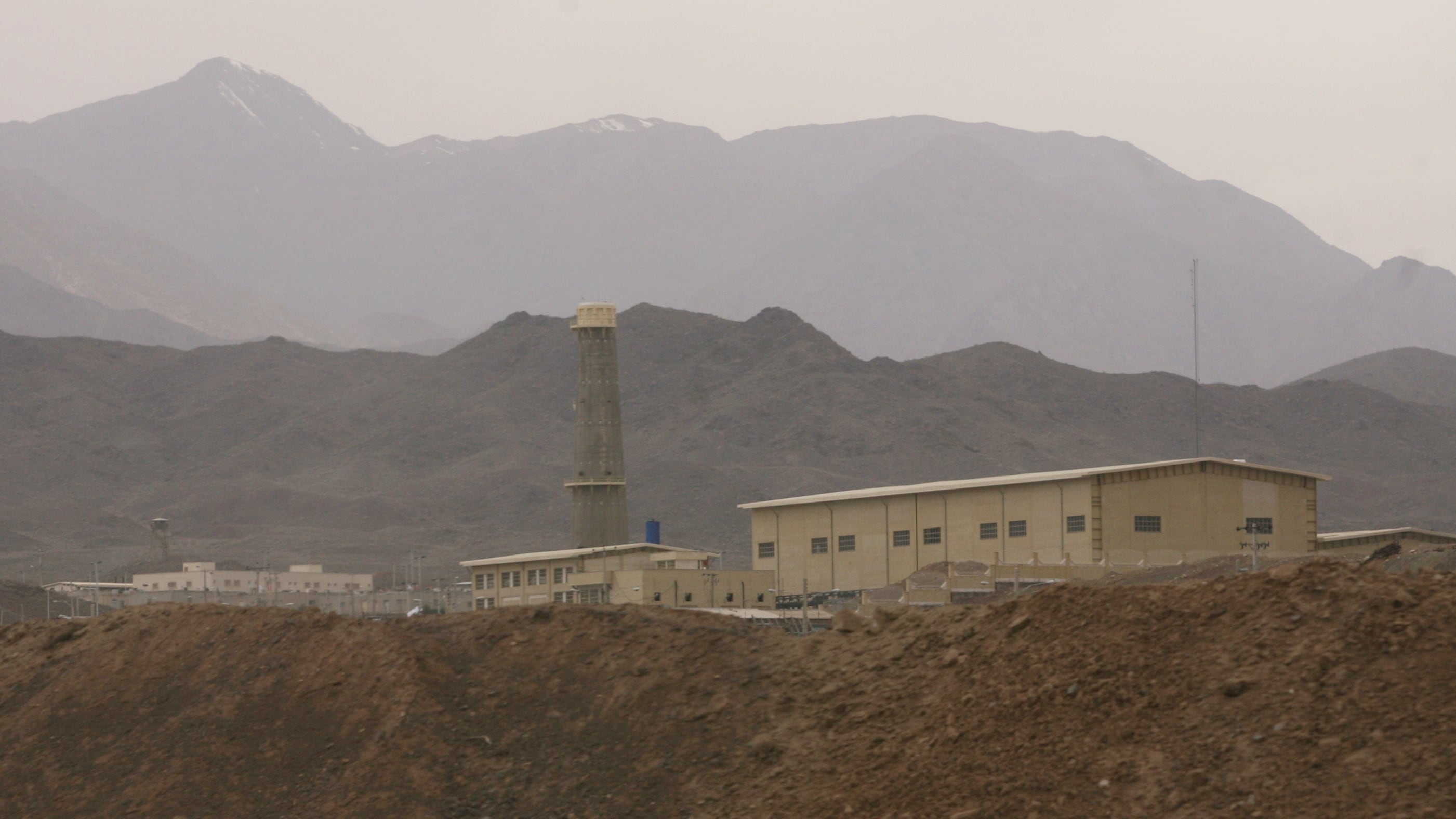
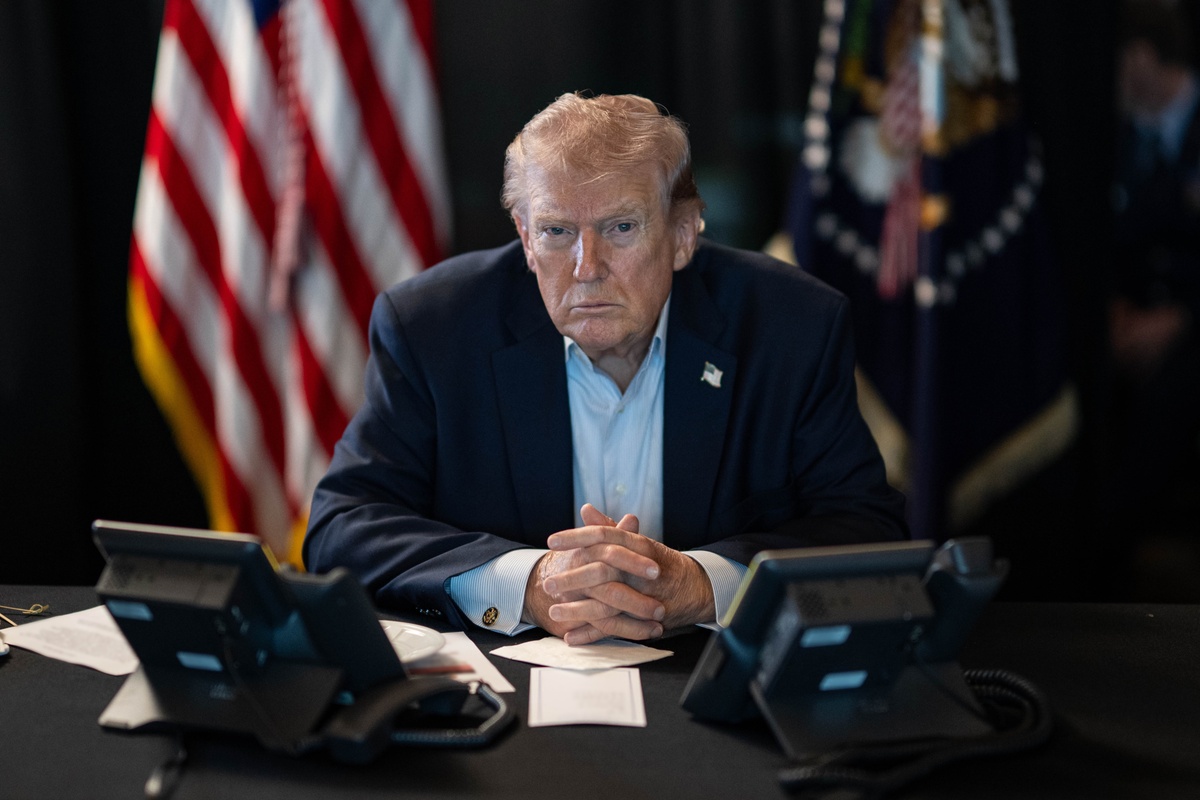
Fighting had largely subsided since exchanges in July, though diplomatic talks have stalled. President Donald Trump said Wednesday at the White House that the new American campaign against Iran would not last long but that Washington was ready to strike again whenever it chose. He said Iran had been trying to build a missile capable of laying mines but that the United States destroyed it, and that Iran was working to restore radar and missile systems targeted in American strikes.
Reuters reported that senior aides to Trump are seeking to prevent escalation before the midterm congressional elections in November to limit electoral losses for Republicans, with White House officials planning to consider further military action after the vote. Polls show more than half of Americans oppose the war.
The United Nations expressed concern about the latest escalation in the Gulf, particularly attacks targeting civilians. António Guterres, the UN secretary general, was "deeply concerned" about reports of civilian deaths including in a strike believed to have targeted a wedding in Iran, said Stéphane Dujarric, the UN spokesman, on Wednesday. Dujarric said Guterres condemned all attacks against civilians and reminded all parties of their obligations under international humanitarian law, including the principles of distinction, proportionality and precaution.
Dujarric warned that further escalation would have serious consequences for civilians and the region and beyond, noting that few countries in the region escaped the effects as airspace and vital shipping corridors remained heavily affected. Guterres urged both the United States and Iran to return urgently to diplomacy, saying "a comprehensive and sustainable settlement can only be achieved through dialogue and negotiation."
Chinese President Xi Jinping called on Middle Eastern countries to oppose foreign intervention and to explore a new security framework for the region during a visit to Egypt on Wednesday. According to the Chinese news agency Xinhua, Xi said countries in the region should "take the reins of their own affairs" and seek a "new security structure" there. Xi said China was ready to work with regional states to protect maritime shipping routes, an issue that gained urgency after the conflict disrupted transit through the Strait of Hormuz and Bab el-Mandeb.