Germany's federal labor agency found a slight decrease in the number of occupational categories facing skill shortages in 2025, though the overall level remains high. The agency identified 157 occupational categories affected by labor shortages, down from 163 the previous year.
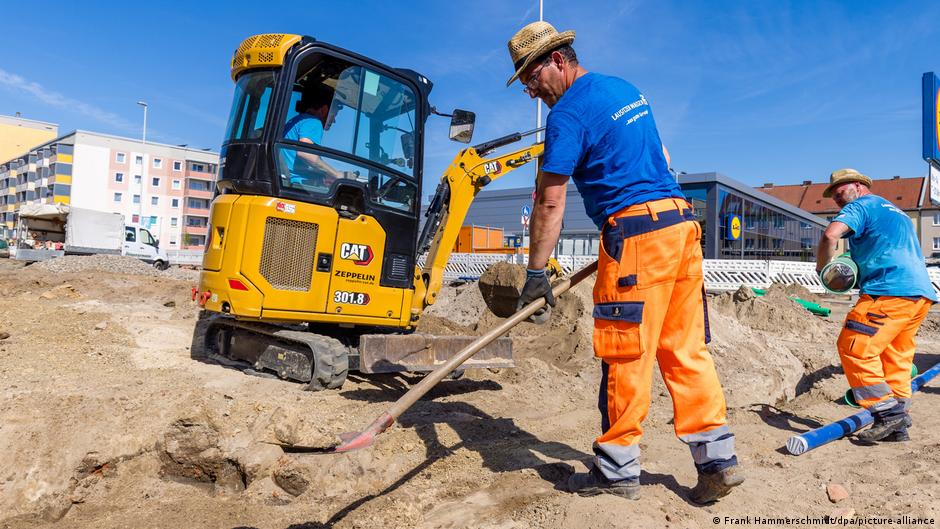
Nursing and healthcare roles faced the most acute shortages, followed by construction and specialized trades, the agency said. Demand also rose for chefs, professional drivers, and childcare workers, while shortages improved in IT sales and software development.
Foreign workers now account for approximately 14 percent of employees in occupations experiencing skill shortages, according to the agency, nearly double the 7 percent share recorded in 2014. The agency attributed the shift to demographic change, with more workers reaching retirement age while fewer young people enter the labor market.
The effect was most pronounced in nursing, where German citizens employed in the sector fell by around 5,000 workers compared to June 2024, while the number of foreign nationals employed in nursing roles rose by approximately 46,000. About 402,000 skilled and specialist positions subject to social insurance contributions remained unfilled on average during 2025, many of them in occupations with documented shortages.
Only one in five unemployed skilled workers actively sought positions in sectors facing labor shortages, the agency said. The agency attributed this gap to a mismatch between supply and demand, noting that the needs and requirements often diverge in qualifications, type of occupation, or geographic location.