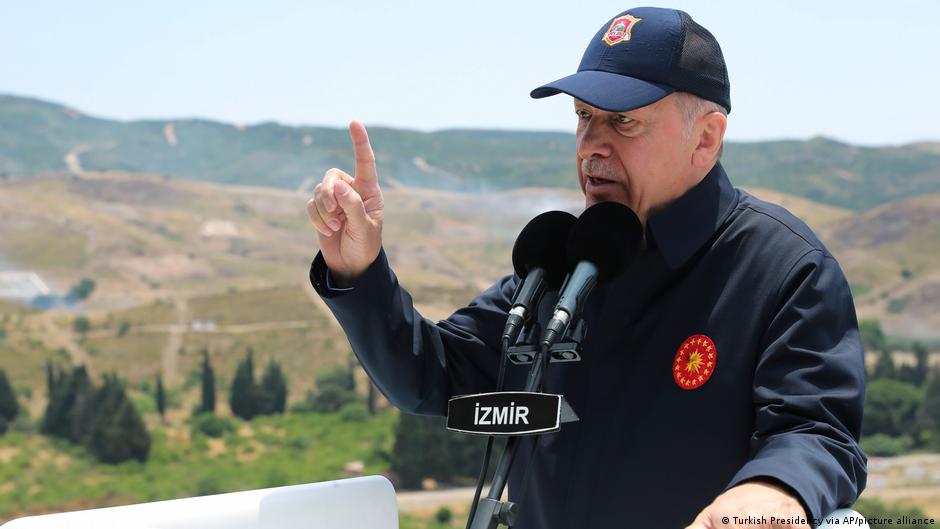
Turkish President Recep Tayyip Erdogan on Wednesday called on Greece to abandon what he described as a "wrong path" and change course on what he characterized as the militarization of Aegean islands. Speaking to Greek newspaper Kathimerini as he returned from a Shanghai Cooperation Organization summit in Bishkek, Kyrgyzstan, Erdogan said Turkey has no regional ambitions toward any country but will not allow anyone to violate its rights.
Erdogan warned that ignoring and violating international treaties would benefit no one, and cautioned that those interpreting Turkey's calm and rational approach as weakness were making a serious mistake. He said Turkey was closely monitoring developments in the waters surrounding Turkish shores, including the area around the Greek island of Kastellorizo, opposite the Turkish city of Kas, and that any potential provocation was being recorded.
Turkey's dispute centers on several Greek islands in the eastern Aegean Sea and the Dodecanese islands, which Ankara says should not be militarized under the 1923 Treaty of Lausanne and the 1947 Treaty of Paris, according to German publication Merkur. Greece rejects this interpretation; its Foreign Ministry called Turkish demands for demilitarization "baseless" and said the country's defensive posture was non-negotiable, asserting that Greek sovereignty and the legal status of the islands are clearly defined under international agreements.
Greece justifies its military presence partly by citing Turkish armed forces on the opposite coast and Ankara's threats if Athens expands in Aegean waters, and also by invoking the right to self-defense under Article 51 of the United Nations Charter. Erdogan said Turkey was doing all necessary to promote Greek-Turkish relations on the basis of good neighborliness, adding that "we are always on the constructive side" but rarely see reciprocal response to Turkish good intentions.
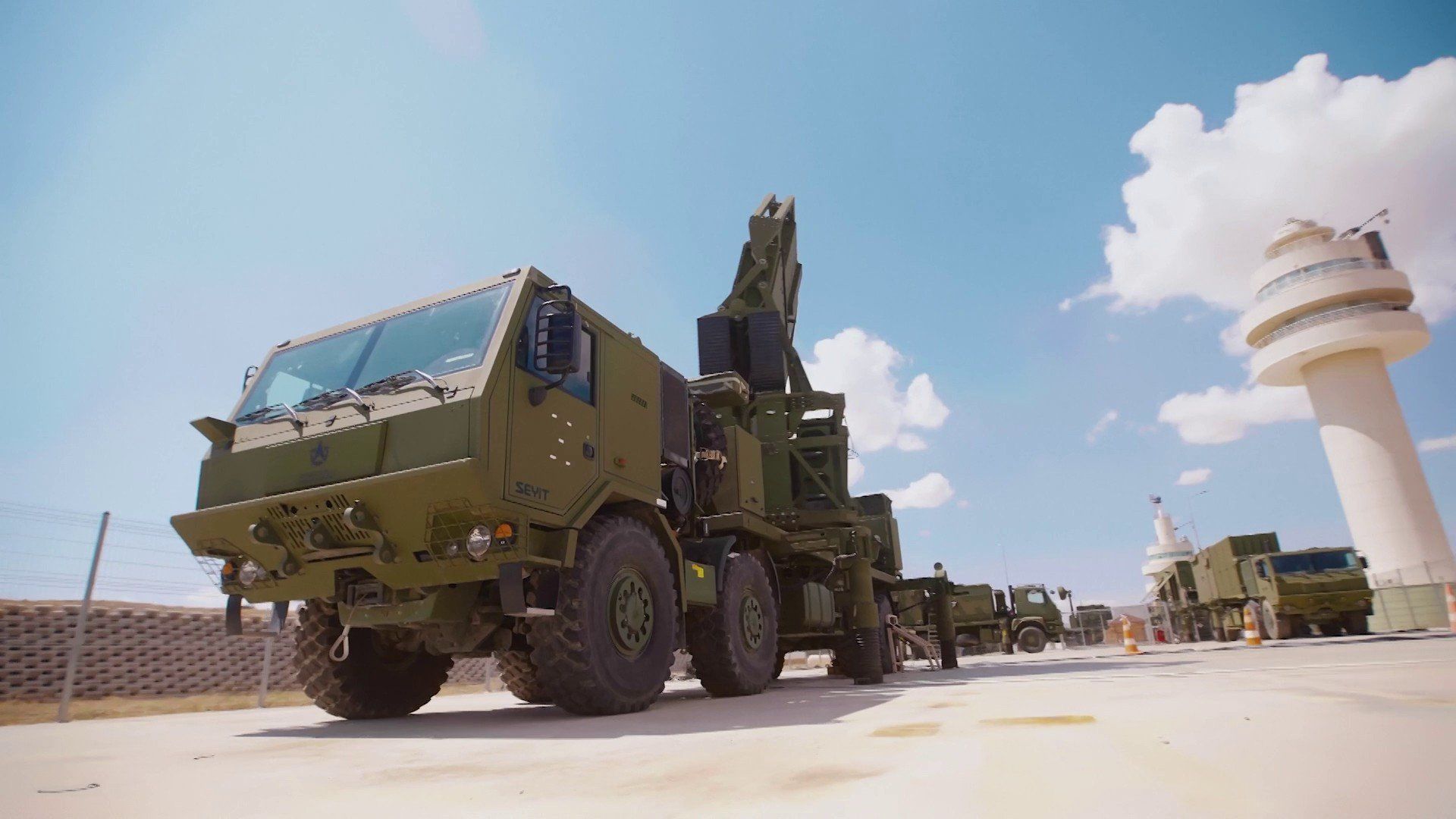
The escalating tensions coincide with Greece expanding its defense partnerships. On August 31, Athens and Israel signed a bilateral agreement valued at around 3 billion euros for an air and missile defense system called "Achilles Shield," according to Israel's Defense Ministry, which said the deal includes the "David's Sling" and "Barak MX" interceptor systems, the "Spyder" system, air surveillance radars, and a new national command and control system. A separate 26 million euro agreement was signed for Greek procurement of unmanned aerial vehicle defense systems made by Israeli company Rafael.
Israeli Defense Minister Yisrael Katz stated that "Israel and Greece share the same strategic interests and face the same regional challenges," and added that "as parties with hegemonic ambitions seek to expand their influence and undermine stability in the region, Israel and Greece will continue to strengthen their defense and strategic cooperation." Greece is one of five NATO members that have raised military spending to at least 3.5 percent of gross domestic product, amid decades of tension with neighboring Turkey, and Turkish-Israeli tensions have also risen, particularly after Israel struck Abu al-Duhur airbase in northwestern Syria in July, saying it aimed to prevent Turkish force deployment there.