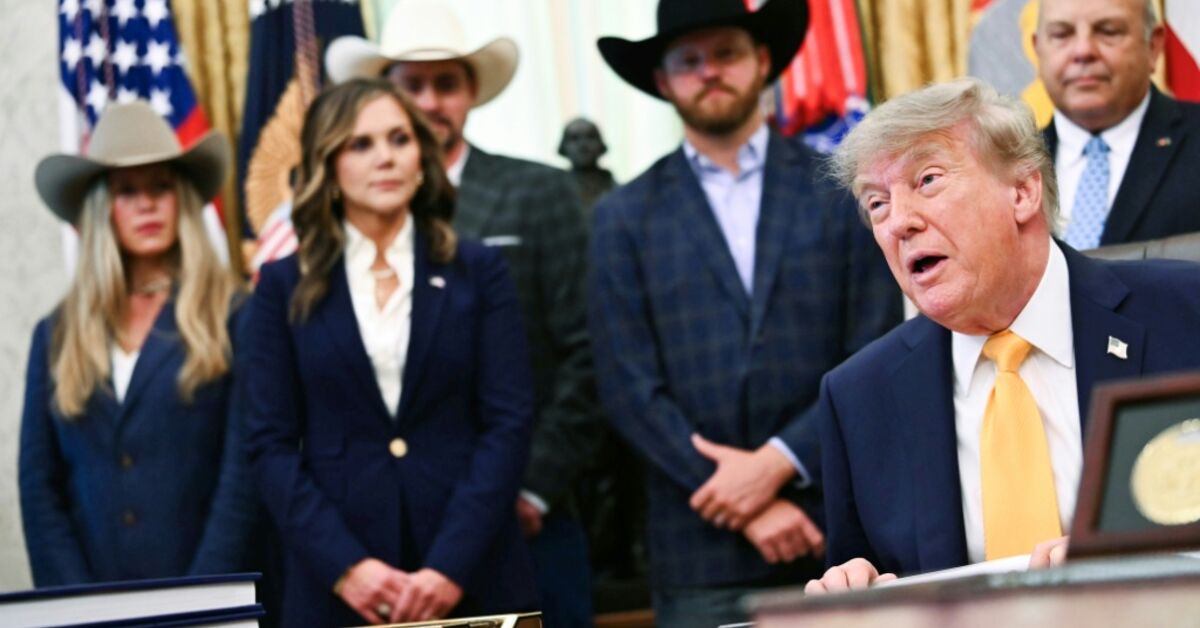
On Aug. 27, U.S. President Donald Trump signed an executive order renaming Lake Ontario, which straddles the U.S.-Canada border, to "Lake America." Trump told reporters in the Oval Office that the change was "effective immediately," a move that follows his earlier renaming of the Gulf of Mexico to the Gulf of America in January 2025.
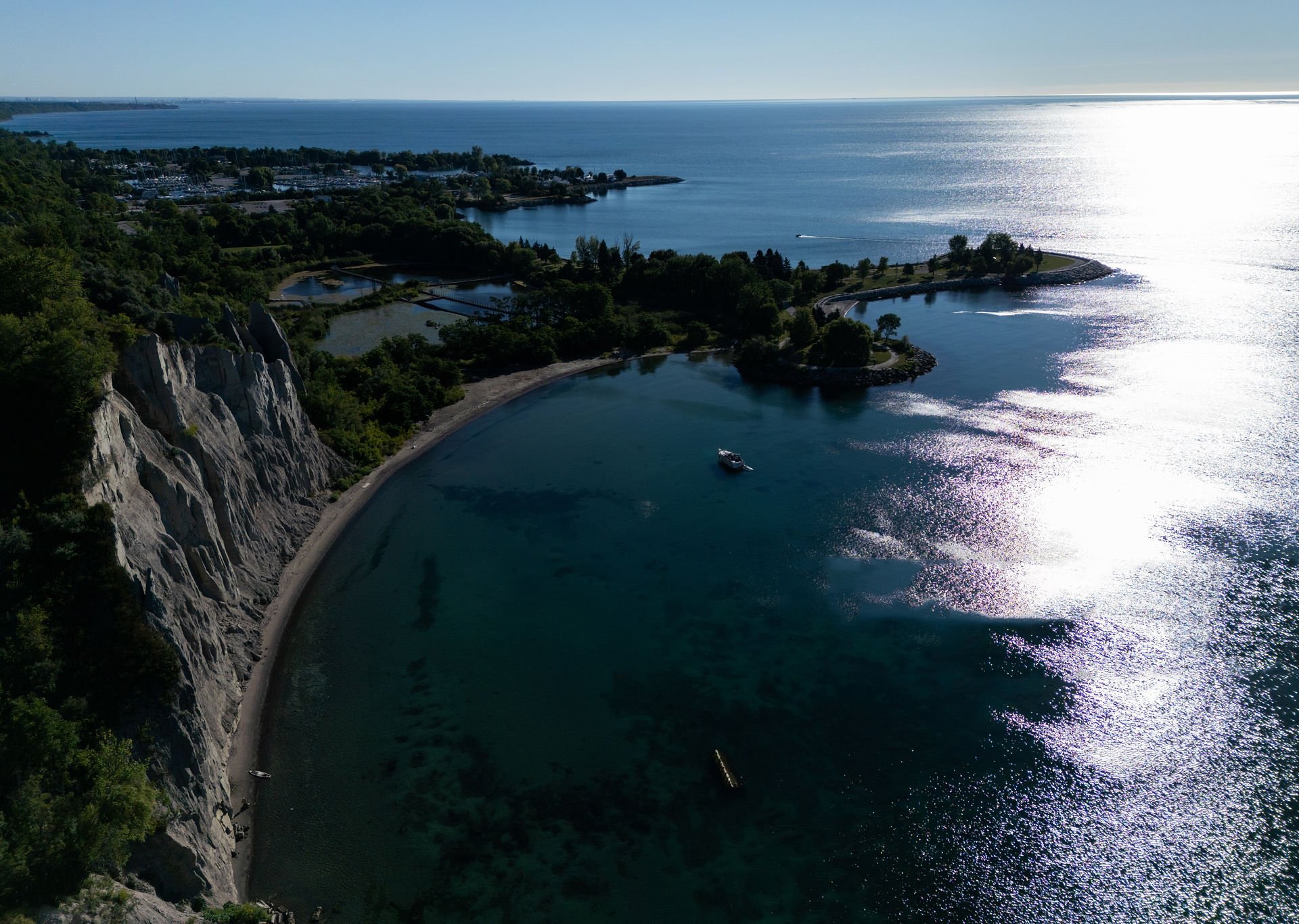
The word Ontario comes from the Iroquois languages spoken by indigenous peoples who inhabited the region before European settlement in the late 15th century, meaning "sparkling water" or "beautiful waters," according to the Ontario Archaeological Society. Canada's Ministry of Natural Resources notes the earliest recorded use of the name dates to 1641, when European explorers applied it to the northeastern shore region of the Great Lakes, before it was assigned specifically to this lake.
Lake Ontario is the smallest of the five Great Lakes by area, covering roughly 18,960 square kilometers with an average depth of 86 meters and a maximum depth of about 244 meters. It supplies freshwater, generates hydroelectric power, and is rich in fish stocks, with New York State on the U.S. side to the south and Ontario province on the Canadian side to the north.
Canadian Prime Minister Mark Carney rejected the U.S. action, stating that Lake Ontario will retain its name, which has been in use for more than 400 years. Carney noted it was "older than the founding of the Canadian Confederation and older than the declaration of American independence." He added that calling things by their real names means it will be called "Lake Ontario yesterday, today, and always."
Tech companies responded to Trump's announcement by implementing region-specific labeling. Google said its map users in the United States will see "Lake America," while Canadian users will see "Lake Ontario," and users outside both countries will see both names together.