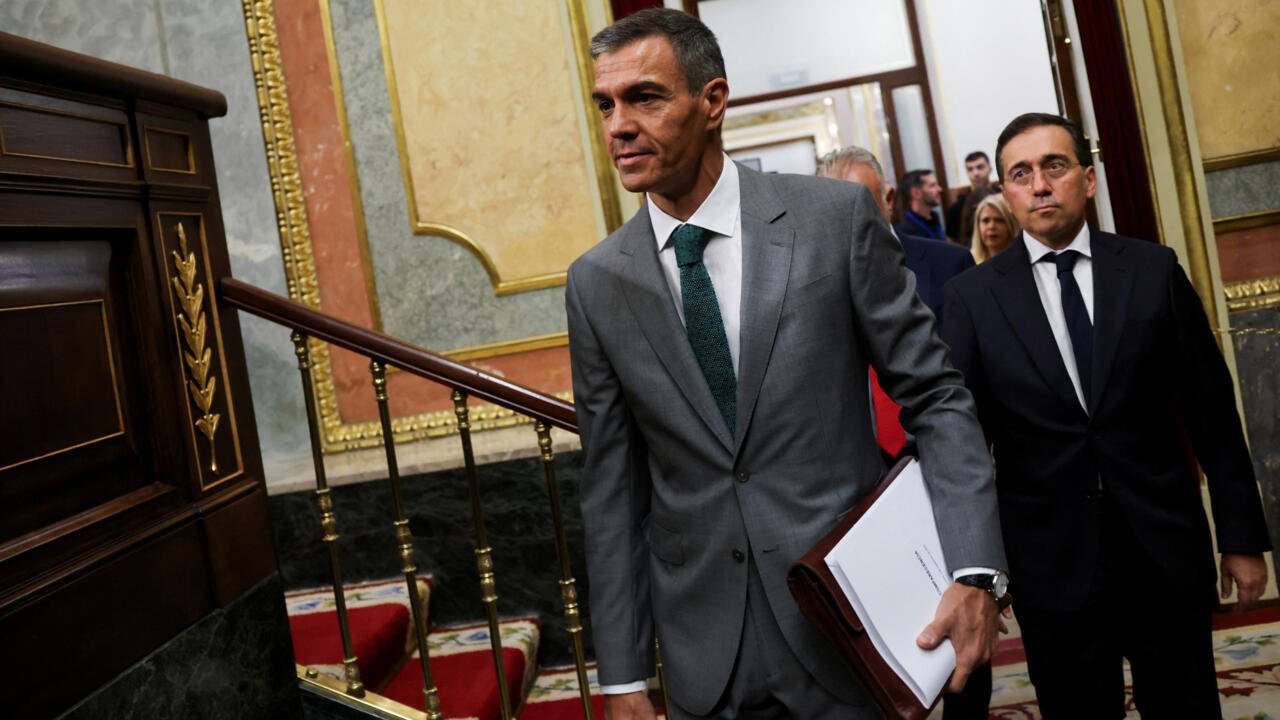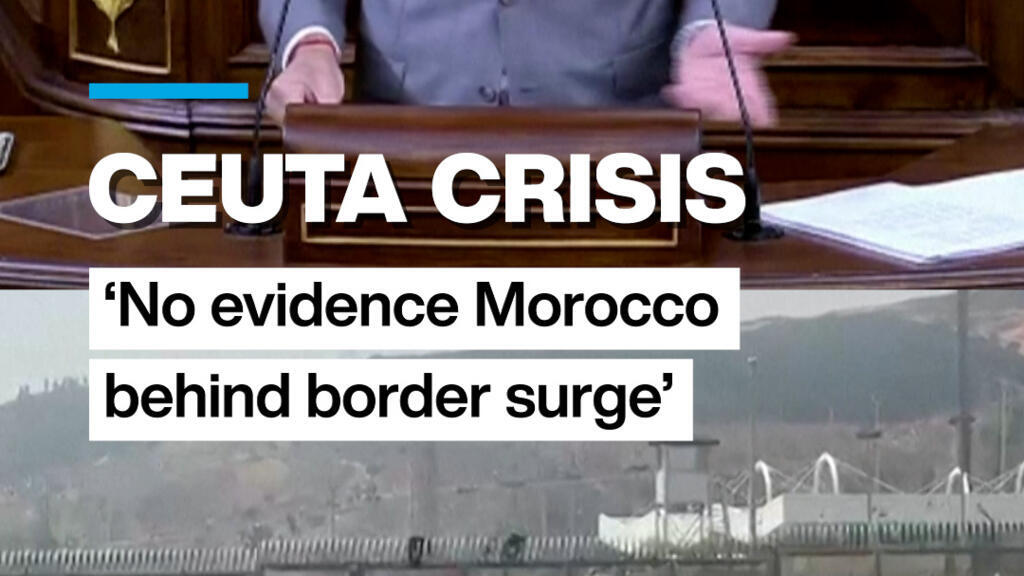
Migrant crossings at Ceuta, the Spanish territory on Morocco's coast, have emerged as both a domestic political issue and an international point of friction between Spain and Morocco. Prime Minister Pedro Sánchez faces domestic opponents who characterize migration in existential terms, with Spain's far-right party amplifying rhetoric about an "invasion," according to analysis by Alana Moceri, an international relations professor at IE School of Politics, Economics and Global Affairs.
Morocco's control of the border crossing gives it significant geopolitical leverage over Spain, Moceri argued. The crisis at Ceuta functions simultaneously as a migration challenge, a tool in Spain's domestic political competition, and a venue for competing narratives and disinformation campaigns, she said.
Spain has sought to avoid escalating tensions with Morocco over the issue, according to the analysis.