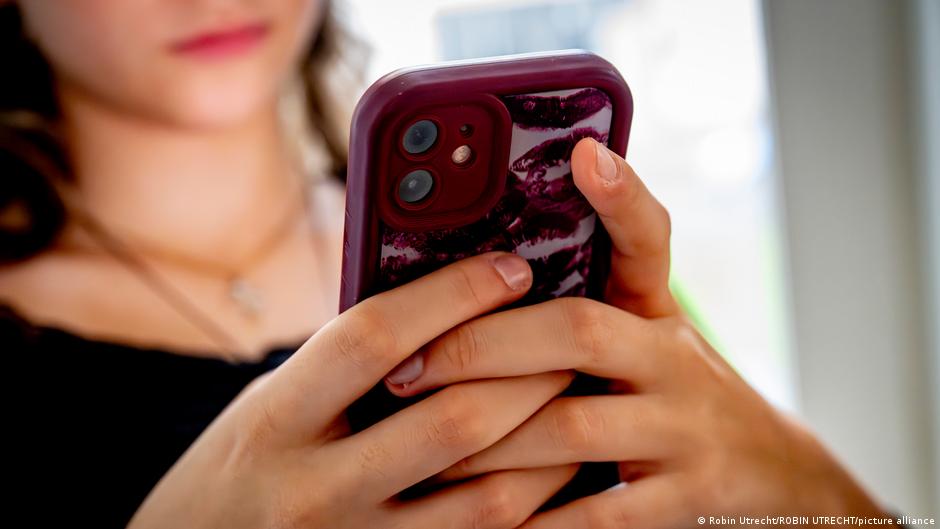
One in five teenagers aged 12 to 17 experienced sexual harassment online over the past year, according to a UNICEF survey conducted across 21 countries. The study, which surveyed roughly 21,000 adolescents who use the internet regularly, found that sexual abuse in digital spaces is widespread. The data was gathered from 12 countries between 2020 and 2021 and supplemented with new data from nine additional countries including Armenia, Brazil, Colombia, Mexico, and Pakistan.
The harassment typically escalates gradually, according to the UNICEF report obtained by DW. "Often it starts without warning," the authors wrote. "A conversation turns into pressure and pressure turns into a trap."
The stereotype of the unknown stranger accounts for only 16 percent of cases. Instead, 57 percent of perpetrators were known to their victims as friends, family members, or through romantic relationships, while 27 percent of cases involved unidentified account holders. Perpetrators were both adults and minors, and in many instances the abuse occurred both in digital and real-world spaces simultaneously.
Meta-owned platforms including Facebook, WhatsApp, and Instagram accounted for 60 percent of reported abuse cases, followed by Snapchat, TikTok, and YouTube. Online gaming platforms, which often provide direct messaging channels, were cited in 14 percent of cases. Victims faced repeated pressure from perpetrators, and shame prevented many from disclosing their experiences—41 percent kept the abuse entirely to themselves.
The report's findings align with other recent studies documenting online sexual harassment among teenagers. A 2020 EU Kids Online Survey across 19 European countries found 22 percent of participants received sexually explicit messages, while a Spanish study of secondary school students found 21 percent of girls reported occasional harassment and 5 percent experienced it regularly.
UNICEF called on governments and technology companies to strengthen protections through platform design changes that enhance privacy and safety, enforce stricter national laws with better enforcement mechanisms, and establish reliable reporting systems and support services for teenagers. Australia implemented a minimum age of 16 for social media in December 2025, the first country worldwide to do so, while Britain will enforce a similar age limit beginning in 2027.