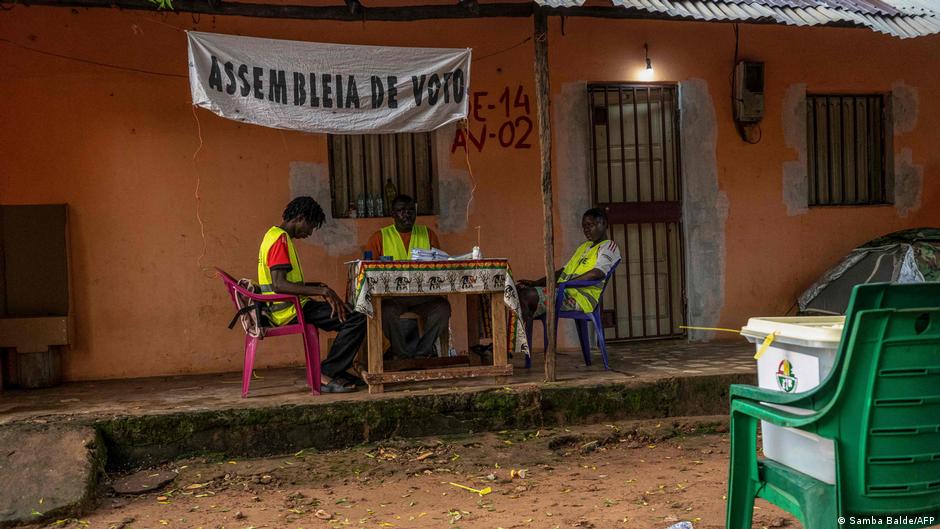
Guinea-Bissau voters approved a referendum on a proposed charter that would grant the president power to appoint and dismiss the prime minister and government ministers while cutting parliament from 102 to 65 seats. The National Electoral Commission said on Tuesday that the "Yes" side had secured 70 percent of the vote, with 30 percent against, and that turnout exceeded 50 percent.
The referendum, held on Sunday, came less than ten months after a military coup and three months before presidential and parliamentary elections scheduled for December 6. Authorities backing the charter said the constitutional reform would stabilize the impoverished West African country and prepare it for civilian rule.
Opposition parties rejected the vote as having no legal basis, arguing that institutions created after the military seizure of power had no democratic mandate to rewrite the constitution. Domingos Simoes Pereira, leader of the African Party for the Independence of Guinea and Cape Verde, a major opposition party, called the referendum constitutionally invalid while speaking from Portugal.
Fernando Dias Costa, the main challenger in a disputed November 2025 presidential election that was annulled by the military, disputed the official turnout figures, saying few citizens participated and that the vote reflected public rejection of unconstitutional political changes. He argued that any reforms needed public debate.
The proposed constitution would shift Guinea-Bissau toward a stronger presidential system in which the president could dissolve parliament and appoint ministers independently of parliamentary composition. Bubacar Ture, head of the Guinea-Bissau Human Rights League, warned the charter would create "an excessive concentration of power in the person of the president" and noted that it was drafted without consulting political parties, civil society organizations, or traditional and religious authorities. Supporters contended that the current system had repeatedly generated conflicts between the presidency and parliament.
The political turmoil began in November 2025 when former President Umaro Sissoco Embalo and opposition candidate Costa both claimed victory in a disputed election. The military seized power before official results could be announced. Embalo was briefly detained and subsequently left the country; his current whereabouts remain unclear.